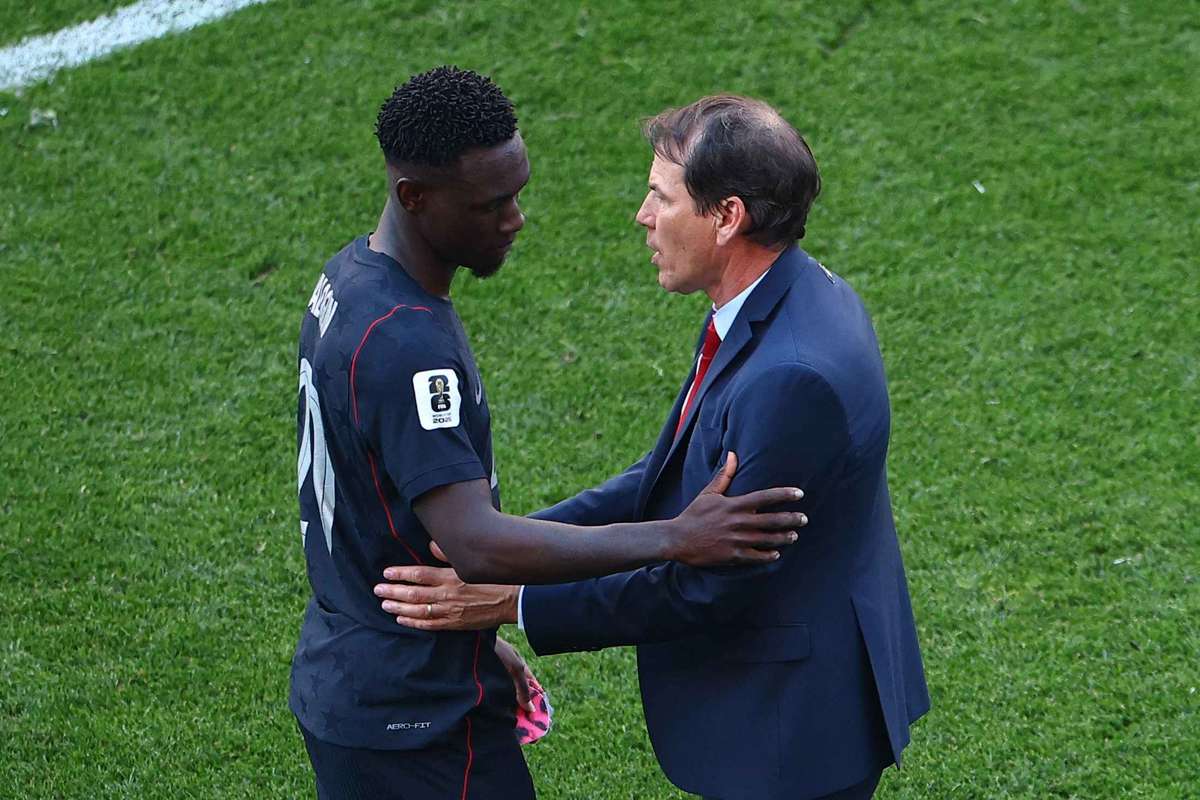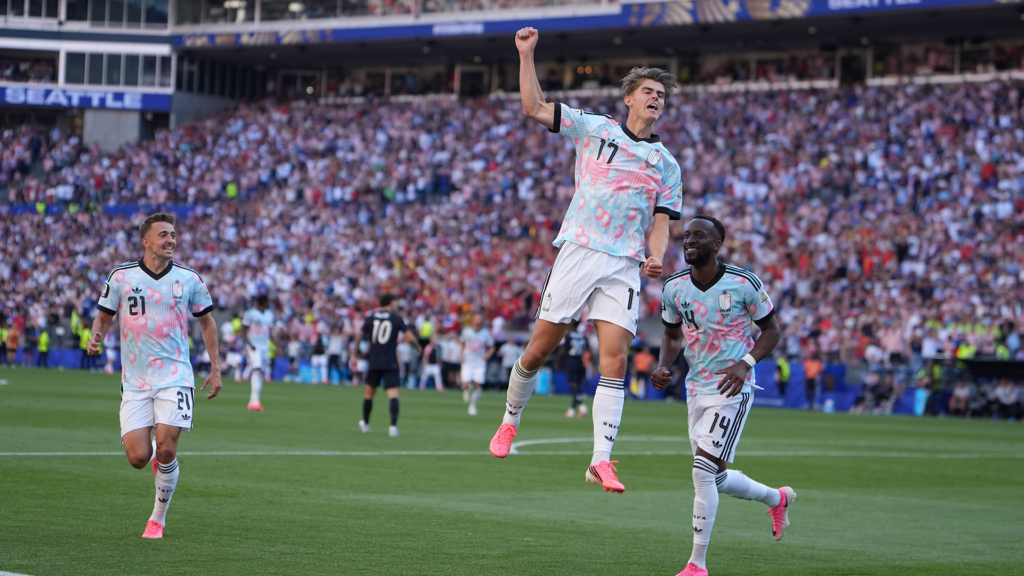



















At Hard Rock Stadium in Miami Gardens, Brazil sealed a 3-0 win in Group C of the World Cup, with 64,478 fans in attendance for a match that balanced possession and efficiency. Before the final whistle, Neymar (Santos) made his first appearance of the tournament, playing just 14 minutes—brief as it was, enough to reveal tactically his role in the national team setup and his current form.
Match context: the overall control framework behind the 3-0 scoreline
Looking at the full-match data, Brazil lined up in a 4-3-3, with 53% possession, 585 passes completed at a 93% success rate, 20 shots with 9 on target, and 6 corners and 9 fouls. Opponents Scotland used a 4-2-3-1, with 47% possession, 13 shots and 4 on target, 497 passes at a 90% success rate. With the score already settled at 3-0, Neymar’s entry came when Brazil had moved into a phase of “managing the game while keeping an attacking threat”—in such periods, the job for a key attacker is not to blindly push the tempo, but to find the final pass and the final shot while maintaining the rhythm.
On the FIFA rankings, Brazil currently sit sixth (1,761.16 points) and Scotland 43rd (1,498.35 points). The gap in quality was reflected in the match statistics, but Scotland still managed a reasonable shot output, showing the back line did not fully switch off while leading. Neymar coming on as a substitute carried tactical meaning: using individual creativity to keep sustained pressure on Scotland’s defence and prevent the opposition from organising a late comeback.
Passing Profile: 92% Success Rate and Positioning in the Attacking Third
In 14 minutes, Neymar completed 12 of 13 passes, a 92% success rate—a tidy figure in the fast-paced closing stages. More granular zone-by-zone data reveals his activity logic: 4 of 4 in his own half, 8 of 9 in the opposition half; he has registered 5 accurate passes into the attacking third across the tournament so far, and in this brief spell he clearly kept his zone of activity in the front-linkage area.
24 touches and 4 crosses (1 finding a teammate) show that he did not hide himself on the flank but stayed involved in the build-up. For a cold-start substitute, balancing touch frequency with passing accuracy fits Brazil's end-game control needs: neither surrendering possession easily nor abandoning the intent to supply the front line. Tactically, he functioned more as a hybrid second striker/inside forward linking midfield and attack, rather than a lone outlet simply waiting for counters.
Creative Numbers: Three Key Passes and the Value of 0.07 xA
The highlight of this outing was chance creation—three key passes in 14 minutes, an extraordinarily high per-minute output on the international stage. Expected assists (xA) stood at 0.07, matching what the eye saw in quick combination play and penetration in the attacking third: each key pass kept the Scottish back line on alert, preventing them from pushing the whole shape higher after trailing 3-0 and leaving even more space.
In shooting, he had one attempt and hit the target; xG was only 0.02, but expected goals on target (xGOT) rose to 0.14, indicating the finish quality outstripped the threat implied by where he struck the ball—even with the match largely settled, he still tested the goalkeeper. For viewers tracking the details, shot distribution and the xG/xGOT contrast are important gauges of whether short-spell attacking intent is genuine; here the numbers support "still hunting a goal" rather than merely killing time.
Duels and Mistakes: Integration Signals Behind a 25% Ground Duel Win Rate
The other side of the data deserves attention from tactical analysts as well. In ground duels, he won 1 and lost 4 for a 25% success rate; he lost possession 9 times, including 2 dispossessions and 2 unsuccessful touches. More critically, one mistake directly turned into an opponent's shot—while that may not have changed the outcome in the closing stages with a three-goal lead, it exposed the adaptation cost of "stepping off the bench straight into high-intensity rhythm."
With the ball at his feet, 6 carries covered 30.6 meters in total, including 8.73 meters of forward progression. The absolute carrying distance was not especially eye-catching, but combined with 24 touches and 3 key passes, it suggests he created threat more through short passing and half-space runs than through long individual dribbles. That fits the familiar path after a long injury layoff or time away from match rhythm: find the passing rhythm first, then find physical duels.
6.3 Rating: Efficiency and Concerns in a Brief Showing
ScoreZ gave him a 6.3 rating, built on accurate passing and three key passes but weighed down by poor ground duels and the cost of his mistakes. Viewed analytically, Neymar completed in 14 minutes the parts the tactical script most needed from him—maintaining creativity in the final third and passing reliability; the parts not yet fully restored were dominance in duels and control of errors.
For Brazil's remaining group-stage matches and potential knockout rounds, the signals from this brief showing are fairly clear: he can take part in buildup at high frequency in limited minutes and create genuine threat; but if the coaching staff plans to increase his playing time, they still need to address "duel rhythm after a cold start" and "defensive recovery after high-risk passes" in training and warm-ups. A 3-0 scoreline will not mask these details—on the contrary, examining a substitute core's data against the backdrop of a big win shows more clearly whether the team can still maintain attacking layers when leading.
Preview: What a Substitute Appearance Reveals About Brazil's Attacking Flexibility
In this match, Brazil posted a 93% overall pass completion rate and 20 shots, establishing a stable possession-and-pressure framework; Neymar's appearance added a "final-pass variable" within that structure. Three key passes showed he can still find strikers within one or two touches—crucial in knockout rounds against compact defenses. Scotland's 13 shots, 4 on target, and 6 corners also reminded Brazil that the opponent was not entirely toothless, and any individual error late on could introduce unnecessary volatility.
Fourteen minutes is not enough to define a top attacker's World Cup trajectory, but it is enough to sketch an outline: passing and chance creation sit in a usable range, while physical duels and consistency are still on an upward curve. As the tournament progresses, if his minutes shift from "managed cameos" to "decisive core spells," those metrics will become the key yardstick for whether he has truly returned to the heart of the national team's attack.