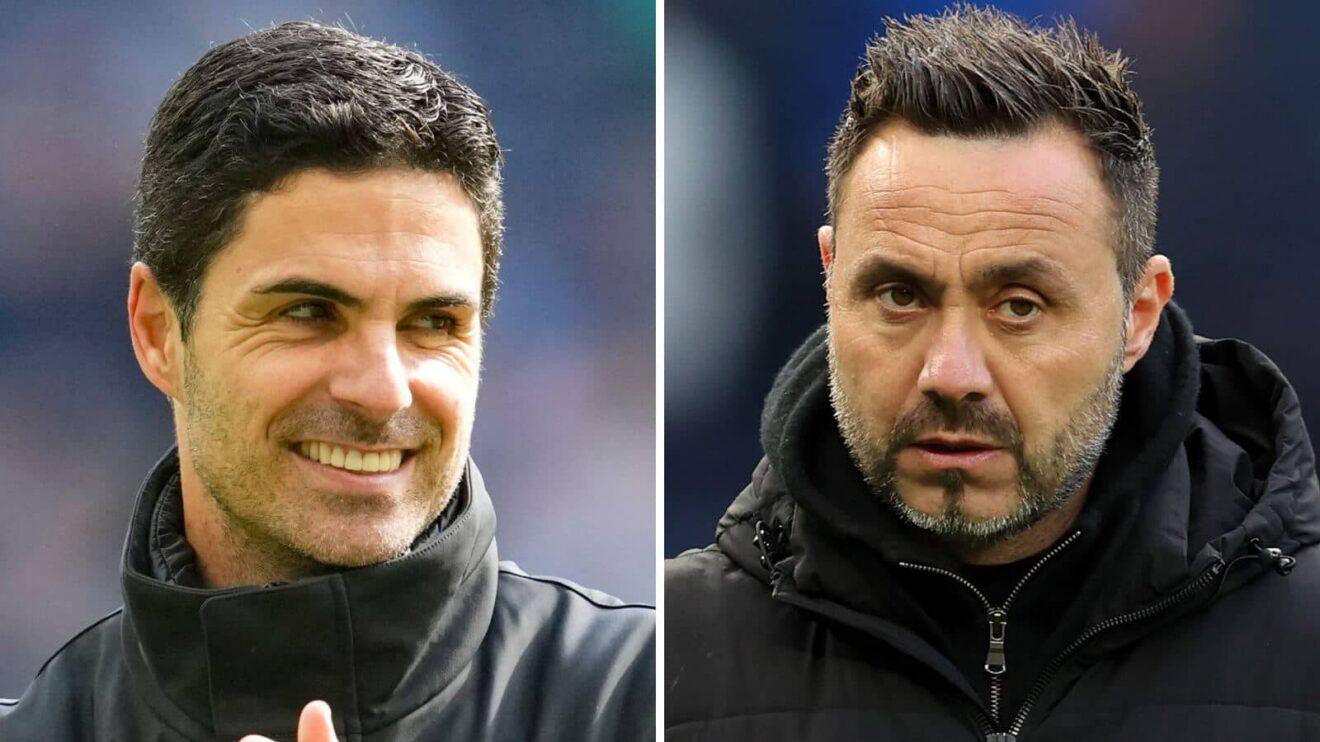




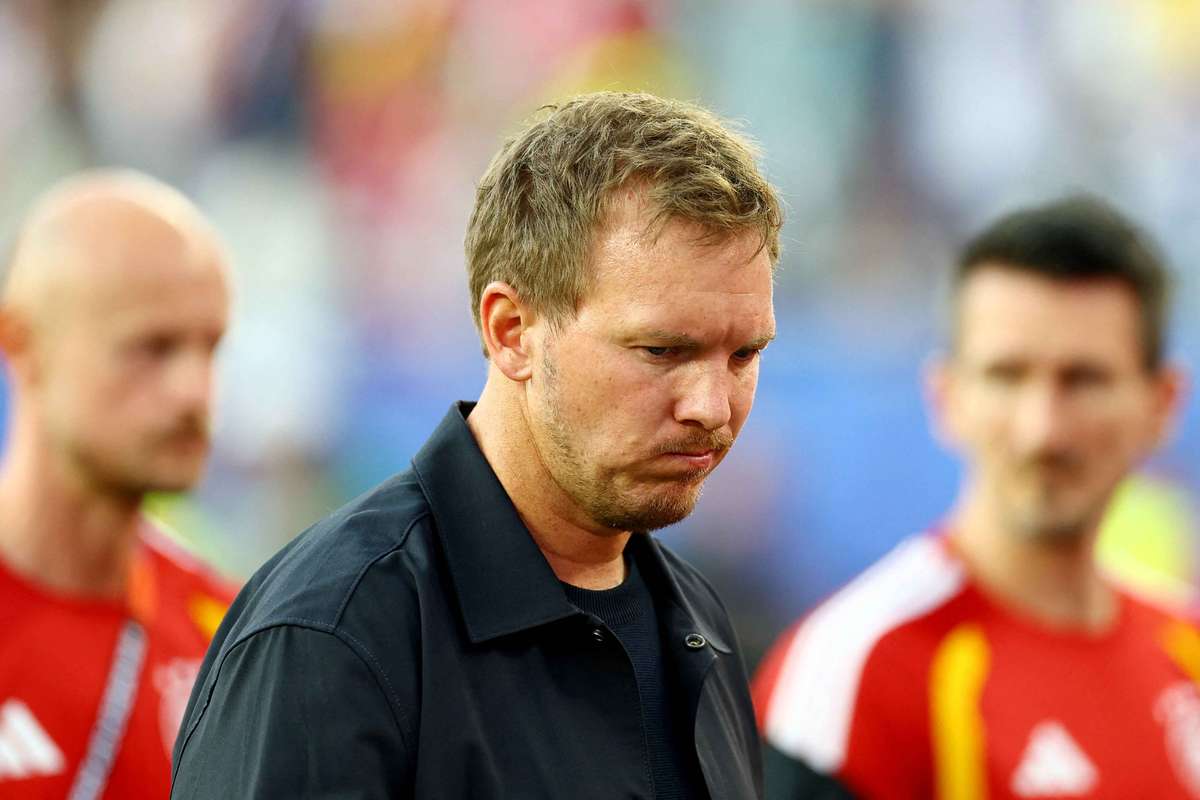
Monday's penalty shootout once again thrust the Germany team to the forefront of global football debate. At 38, Nagelsmann became the youngest head coach in the knockout stage of this World Cup—a record that in itself sparked a wave of "young managers at the helm" talk on social media. Yet what truly ignited debate across Germany was the team's early exit from another major tournament, and the rare sight of all three designated penalty takers failing to convert.
Kai Havertz, Niklas Woltemade and Jonathan Tah were unable to find the net, as thousands of German fans at the stadium in Boston fell instantly silent, while viewers at home could scarcely believe what they were seeing. Germany had previously held a near-perfect record in World Cup penalty shootouts; this complete failure quickly became one of the hottest clips across platforms. In fan comment sections, anger, regret and questions about the manager's future intertwined, with topics such as whether Nagelsmann should be sacked trending within hours.
Public statements amid the managerial storm
After elimination, Nagelsmann did not choose to stay silent. He made clear: "This is no longer in my hands, but if they want me, I'm ready. If someone doesn't want me to continue, they should tell me directly. I want to keep going."
The head coach who took charge of Germany in 2023 added: "I'm not someone who runs away. I want to keep coaching, but in football you don't always control everything. If the German FA wants that, I'll be ready for the Euros and the Nations League."
These remarks quickly split German media and public opinion into two camps: one held that the head coach had at least shown accountability and should not be scapegoated immediately amid the randomness of a penalty shootout; the other argued that three consecutive World Cups—group-stage exits in 2018 and 2022, and another early elimination this time—amounted to an unmistakable systemic signal. Since winning a fourth World Cup title in 2014, Germany has failed to reach the final of any top-tier international tournament, a prolonged drought that has likewise become a frequent argument in social media debate.
From Euro quarter-finals to World Cup disappointment
Nagelsmann’s managerial record shows a sharp contrast. At Euro 2024, he led the team on home soil into the quarter-finals, briefly raising hopes of a German football revival. Before this World Cup, he repeatedly said in public that the team’s goal was to win the world title again and restore international prestige—statements many at home regarded as overly optimistic, and which now read as foreshadowing for the post-tournament backlash.
At the post-match press conference, Nagelsmann also admitted the team “could have gone further.” “We had hoped to test ourselves against France in the round of 16,” he said, “but the reality is—it wasn’t good enough.”
France have already advanced to a deeper stage of the World Cup knockout phase, with their FIFA ranking rising to No. 1; they face Sweden in a round-of-32 tie on Tuesday. For Germany, site data shows their FIFA ranking remains 10th, unchanged from the previous update; across group and knockout technical stats at this World Cup, the team repeatedly
From a communications standpoint, Nagelsmann’s “I’m not running away” is not merely a personal declaration, but a bid to seize the narrative before any decision on his job is formally settled. The German Football Association has yet to give a clear verdict on his future, but fans and media have already moved into speculation mode: if a change is made, who could take over?
The deeper issue may lie beyond one man’s fate: were three consecutive missed penalties a fluke, or the eruption of long-standing weaknesses in mentality and detail work? After early exits at three straight World Cups, is this a structural problem of squad selection, tactics, or tournament mentality? With rivals such as France and Spain continually raising the bar, if Germany, ranked 10th, remains stuck in a cycle of “pretty possession, ugly results,” a managerial change alone is unlikely to fix the root problem.
Nagelsmann has kicked the ball back to the federation’s feet—if they want him to stay, he is ready; if they want him to go, they should tell him face to face. Over the next few days, the domestic debate in Germany over this youngest-ever World Cup knockout-stage head coach is unlikely to fade with the final whistle of the penalty shootout.