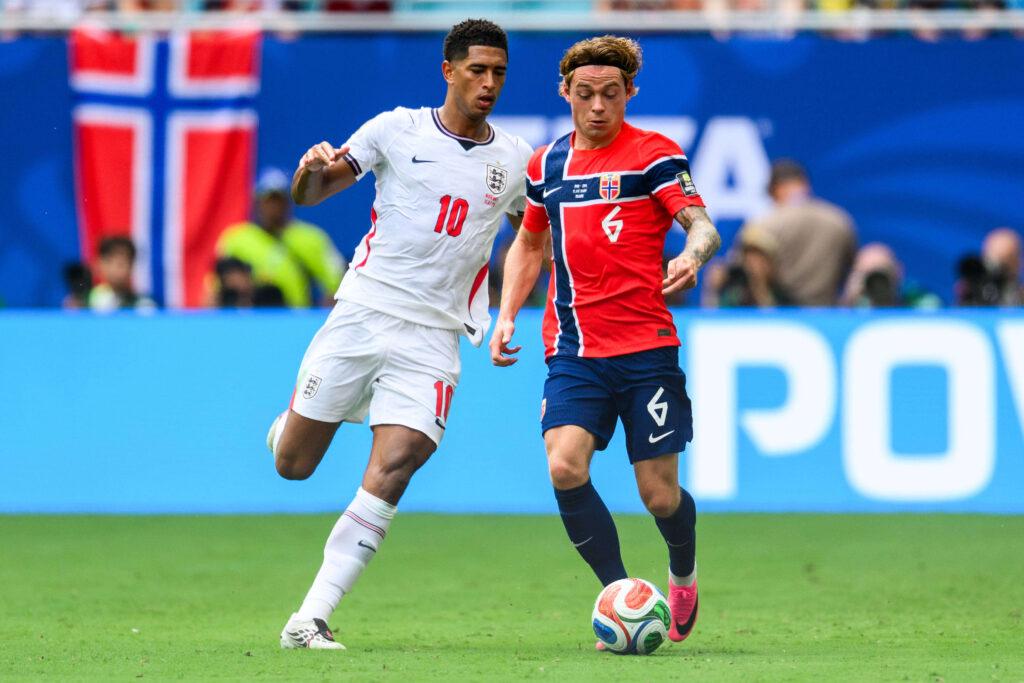


















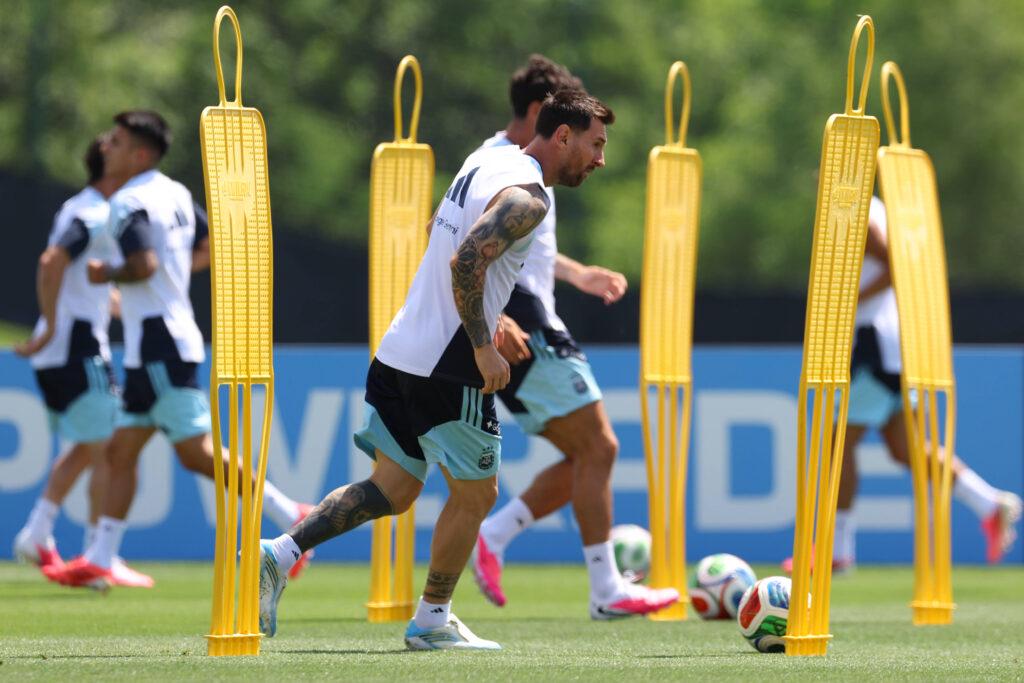
The third match day of the World Cup group stage will kick off in Arlington, Texas, as AT&T Stadium hosts a marquee Group J clash in the World Cup — Jordan against Argentina, ranked third in FIFA's latest standings (1874.81 points). An estimated 80,000 spectators are expected in attendance. Both teams are entering the third round of the group stage. The head-to-head database shows no direct matchup records between the two sides, so recent trends and player fitness may carry more reference value than historical records.
South American giants under a packed schedule
Argentina travel on a nine-match winning streak, during which they recorded five clean sheets, and in their last nine games they opened the scoring in every match and held their lead before half-time. In the first two group games, they scored five goals without conceding, averaged about 51% possession, and completed multiple quick transitions. Enzo Fernández and Alexis Mac Allister combined for 249 successful passes with a success rate exceeding 92%, with the midfield double pivot consistently shouldering the high-intensity metronome role; the cumulative load from consecutive appearances needs to be factored into the assessment.
On the front line, Lionel Messi has been in stable competitive form recently, but in the final stretch of the group stage, how the coaching staff balances attacking efficiency with rotation and rest still warrants careful observation. Defensive anchor Lisandro Martínez is known for high-intensity duels; with a tight recovery window under consecutive starts, whether his acceleration and one-on-one defending can hold up for the full match may directly affect the quality of pressing at the edge of the penalty area.
Jordan's defensive drain and room to bounce back
Jordan are ranked 63rd in the world. They have lost four straight recently and gone seven matches without a win, failing to keep a clean sheet in seven consecutive games. In their first two Group J fixtures they conceded five goals, averaged around 32.5% possession, and largely played from a low block with counter-attacking football. That approach puts heavy physical demands on full-backs repeatedly making recovery runs and midfielders providing cover. Notably, Jordan have also recorded 0-0 draws in other recent fixtures, suggesting they still have some defensive resilience, but their inconsistent finishing makes it hard to convert counter-attacks consistently under pressure.
Pre-match outlook: physical variables beyond the data
Statistically, Argentina took 22 shots with 11 on target in the group stage, created four clear-cut chances and allowed their opponents only one; they completed 1,115 passes at around 89.5% accuracy and operated efficiently overall. Jordan rely more on direct progression, and in six of their last seven matches the total goals exceeded 2.5, indicating relatively open games. If Jordan cannot restrict Argentina's build-up play early on, fatigue later in the match could be further magnified once their energy levels dip. The above are trend assessments based on publicly available pre-match data; injuries, suspensions and the official starting line-ups should be taken from pre-match official information and should not be treated as definitive conclusions.