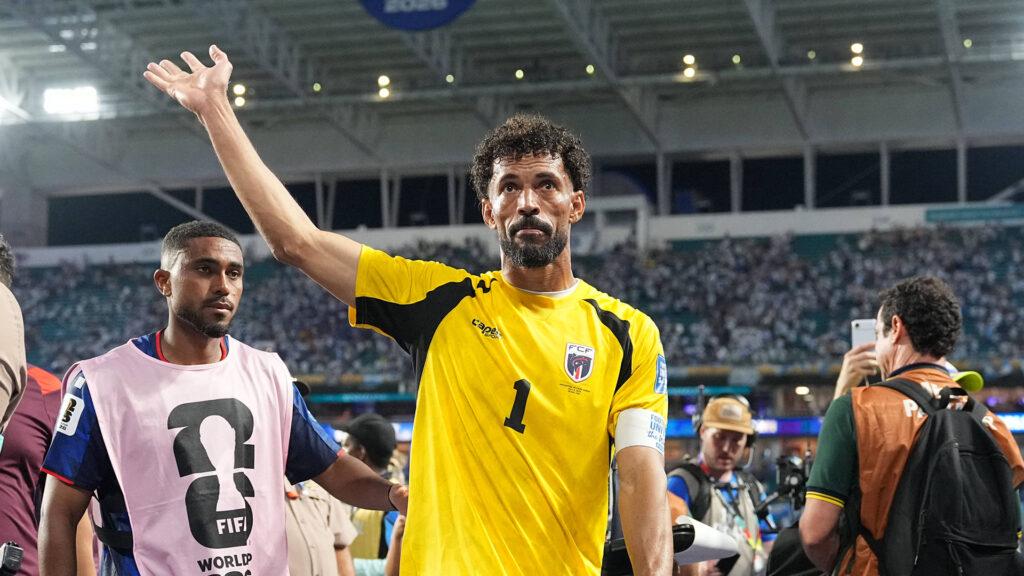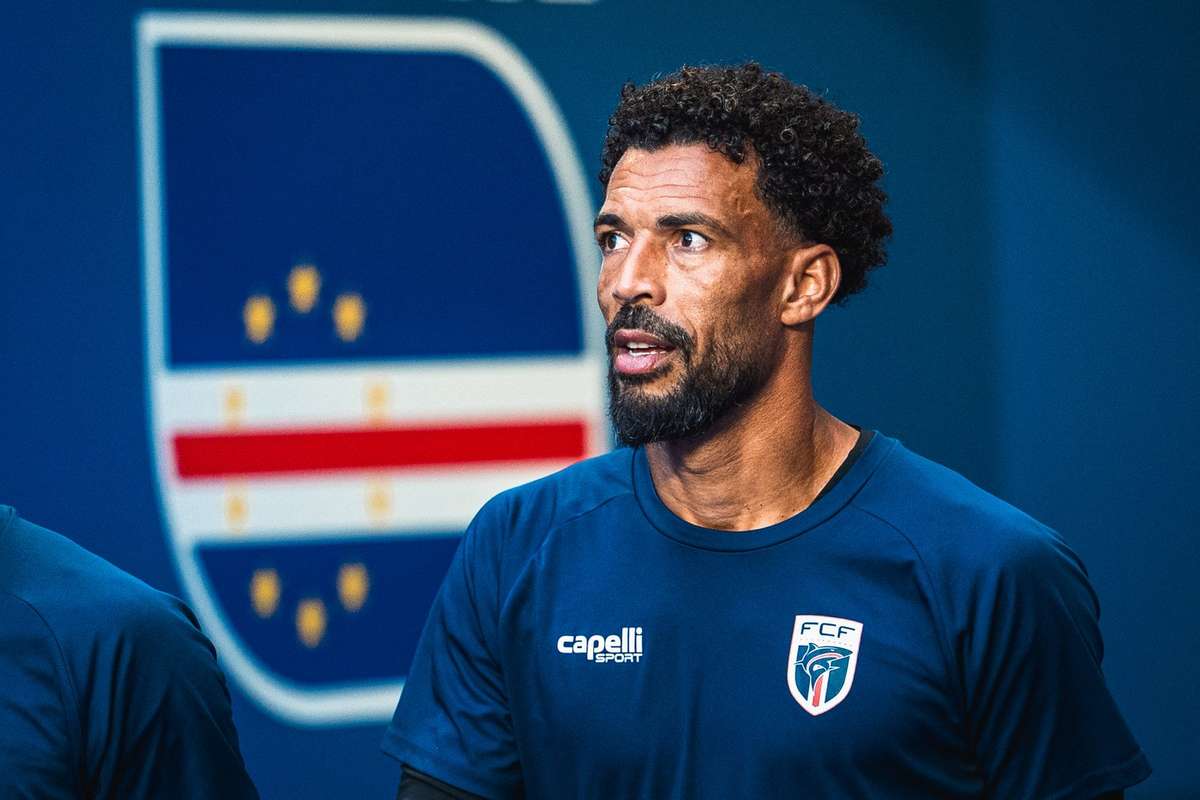


















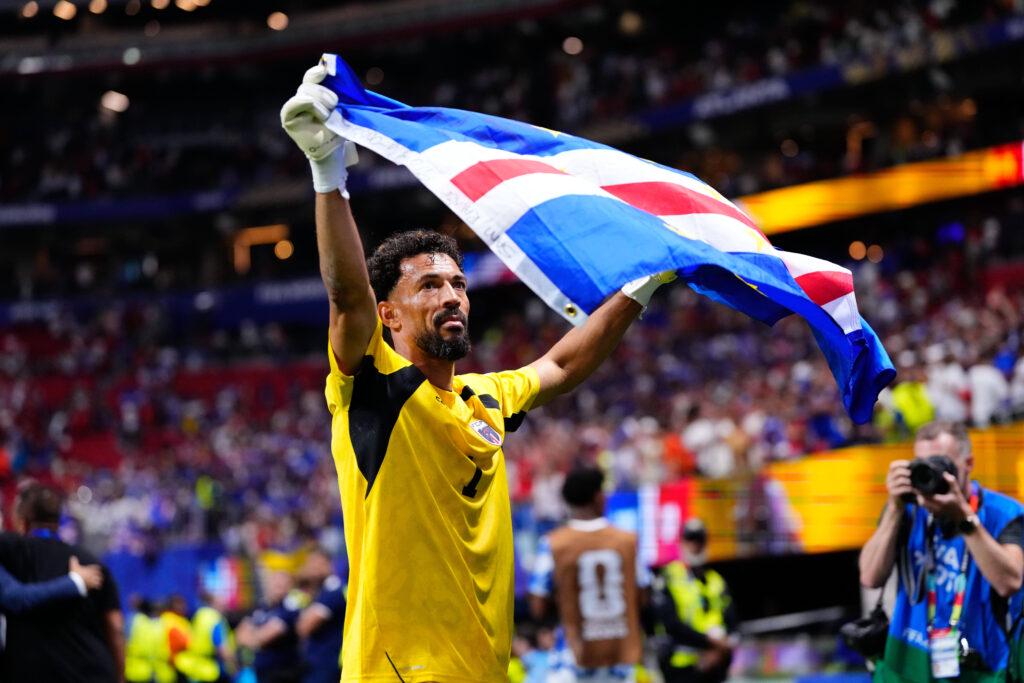
Cape Verde made a stunning impression in their World Cup debut in Atlanta—the African newcomers held Spain to a 0-0 draw, turning the Group H opener into a one-man show for the goalkeeper. The man standing between the posts was 40-year-old Josimar José Évora Dias, though fans know him better by his nickname: Vozinha.
Against a Spain side that controlled 74% of possession, took 27 shots and had seven on target, Vozinha matched them with an equal number of saves, six of which denied dangerous efforts inside the box. He was named Player of the Match with a 9.7 rating—the highest for a goalkeeper aged 40 or over at a World Cup since 1966, according to data available to us. On one side stood a European powerhouse ranked second by FIFA; on the other, Cape Verde, ranked 69th and playing in their first World Cup. The draw on the scoreboard felt like the finest chapter of the veteran keeper's career.
Turn the clock back to São Vicente Island. Vozinha's father named him after Josimar, the Brazilian star of the 1986 World Cup, but football remembers him by a childhood nickname instead. Shorter in stature, he often played street football with older kids and would run home to his grandmother to complain after losing; his friends teased him with "Vozinha"—and the name stuck, becoming his professional identity.
Unlike stars who honed their craft in Europe's top leagues, Vozinha took a different path. He moved abroad for the first time at 25, spending two decades in Angola, Moldova, Cyprus, Slovakia and Portugal. He stayed longest in Cyprus, making 140 appearances and winning a cup title. He joined Portuguese top-flight side Chaves in 2024, replacing the departing Brazilian goalkeeper—his contract was nearing its end, yet he produced the performance of his career on the eve of the World Cup.
The numbers tell the story: Cape Verde managed just six shots and one on target all game, with only 26% possession, effectively reducing the match to a defensive script built on making few mistakes and riding a goalkeeper in top form. Spain’s 11 corners came to nothing, and 74% possession failed to translate into goals—hardly encouraging news for La Roja, who have title ambitions. For Cape Verde, a point on debut means the race in Group H is genuinely wide open—they do not need to beat every heavyweight, only to make the most of every limited chance and push their goalkeeper’s form to the limit.
Vozinha’s story carries none of the wonderkid aura—only a nickname he kept out of stubborn pride after being mocked, and reflexes sharpened inch by inch in the lower leagues. When he shut Spain out on the World Cup stage, you realize that history is sometimes written not by the most expensive starting XI, but by the 40-year-old veteran who simply refuses to let the ball cross the line. With tougher tests ahead in Group H, Spain need to find a more efficient way through compact defenses—and Cape Verde have already shown that Vozinha’s wall is not so easily breached.