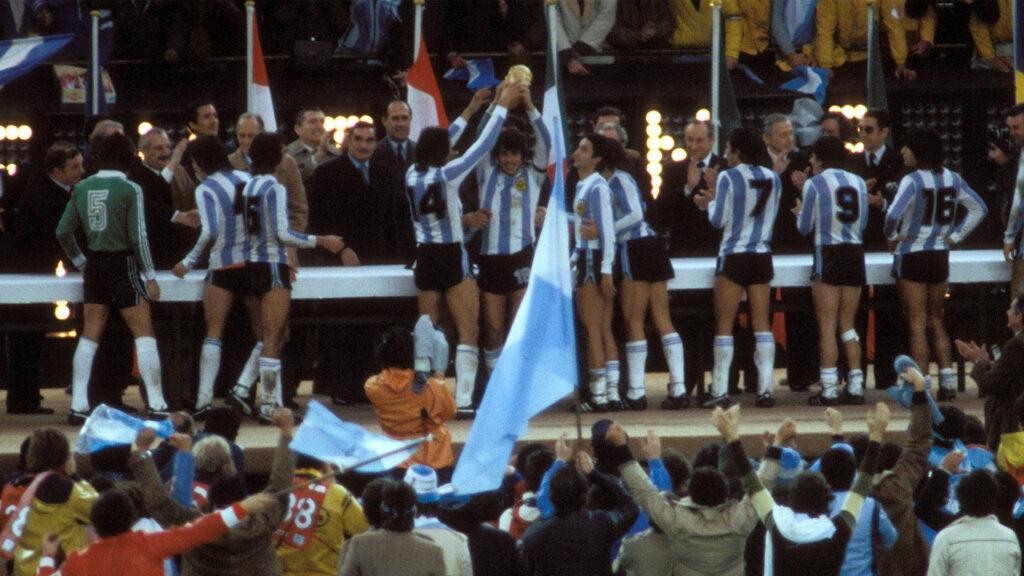




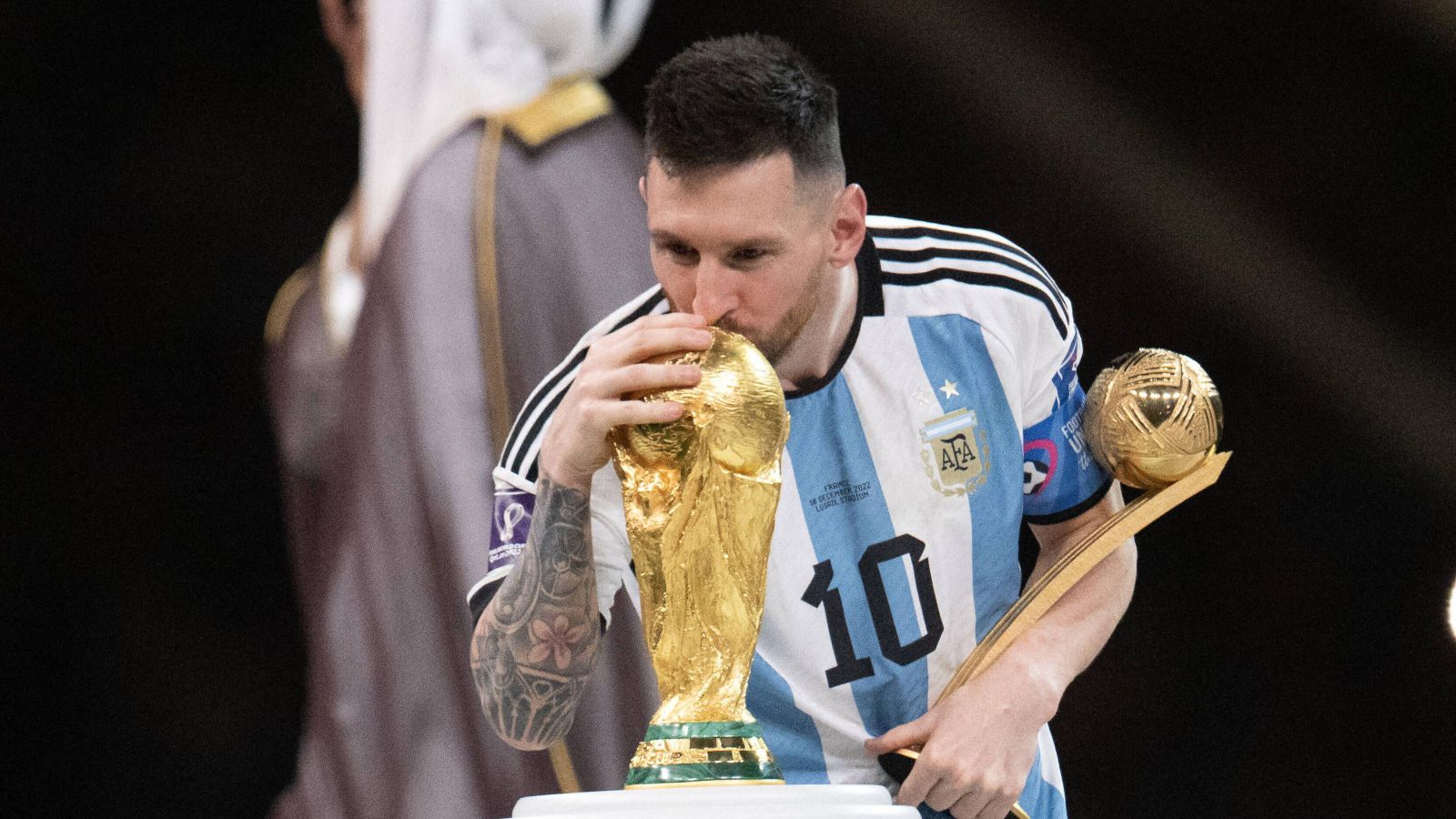
The Argentine Football Association officially unveiled its 26-man squad for the 2026 World Cup in the United States, Canada and Mexico on Thursday, May 28 local time. Defending champions Argentina will be led by Messi, with the 38-year-old Inter Miami forward set to make his sixth World Cup appearance and continue extending Argentina's all-time appearances record. As soon as the squad was released, social media and fan communities quickly shifted the debate toward two main storylines: whether the title-defense framework remains intact and Messi's final World Cup.
Squad Core: Championship Backbone Still in Place
Head coach Scaloni has largely kept the spine of the squad that won the 2022 World Cup in Qatar. Apart from Di María, who has already retired from international duty, 17 players from the 2022 title-winning roster remain, including Martínez, Otamendi, De Paul, Mac Allister, Enzo Fernández, Álvarez and Lautaro Martínez. For fans, this means Argentina can still start on North American soil with familiar tactical understanding and dressing-room leadership, rather than rebuilding from scratch on the eve of the World Cup.
The goalkeeping trio remains Martínez, Musso and Rulli; the back line features familiar faces such as Romero, Lisandro Martínez, Molina, Tagliafico and Montiel. In midfield, De Paul, Paredes, Palacios and Mac Allister provide organization and bite, while Enzo Fernández continues to serve as the engine in progression. Up front, alongside Messi, Lautaro and Álvarez, Nicolás González, Thiago Almada and others have been included, giving Argentina more attacking depth than four years ago.
Changing of the Guard: Youngsters Step to the Fore
The squad also opens the door to the “next generation.” Young players such as Valentín Barco, Nicolás Paz, and Giuliano Simeone are seen as key pieces for Argentina over the coming years; José Manuel López and Almada, meanwhile, will make their World Cup debuts. Midfielder Lo Celso returns after missing the 2022 Qatar tournament through injury—this is his second World Cup squad selection; he was included for Russia 2018 but did not play, a “belated return” storyline likely to be revisited repeatedly during broadcast build-up.
Local media report that Marcos Acuña, a member of the 2022 title-winning squad, was not called up due to his physical condition. Di María announced his retirement from international football after the 2024 Copa América, and is therefore not on this squad. For branding and commercial narratives, Messi remains the central global symbol, but names like Barco, Paz, and Simeone give sponsors and youth-development storylines fresh faces to promote—social media buzz will not stop at the “Last Dance” alone.
Group Opponents and Standings
Per the schedule, Argentina have been drawn into Group J, opening on June 16 against Algeria, before also facing Jordan and Austria. Based on the site's FIFA ranking data, Argentina currently sit third with 1,874.81 points, down one spot from the previous update; Algeria in the same group are 28th, Austria 24th, and Jordan 63rd, up one place from the previous update. On paper, Argentina remain the group favorites, but North America's heat, the congested schedule, and unfamiliar opponents in the expanded 48-team format will all magnify the importance of picking up points efficiently in the opener—if that first match goes smoothly, the defending champions can shift the narrative from "squad selection controversy" back to "on-field rhythm."
Full 26-man squad
Goalkeepers: 1 Juan Musso, 12 Geronimo Rulli, 23 Emiliano Martinez. Defenders: 2 Leonardo Balerdi, 3 Nicolas Tagliafico, 4 Gonzalo Montiel, 6 Lisandro Martinez, 13 Cristian Romero, 19 Nicolas Otamendi, 25 Facundo Medina, 26 Nahuel Molina. Midfielders: 5 Leandro Paredes, 7 Rodrigo De Paul, 8 Valentin Barco, 11 Giovani Lo Celso, 14 Exequiel Palacios, 20 Alexis Mac Allister, 24 Enzo Fernandez. Forwards: 9 Julian Alvarez, 10 Lionel Messi, 15 Nicolas Gonzalez, 16 Thiago Almada, 17 Giuliano Simeone, 18 Nicolas Paz, 21 Jose Manuel Lopez, 22 Lautaro Martinez.
From a messaging standpoint, this squad balances “champion momentum” with signals of a changing of the guard: social media buzz has clustered around three storylines—Messi’s sixth World Cup, the return of 17 members of the title-winning core, and first-time call-ups for newcomers. In fan-economy terms, Messi remains the undisputed center of jersey sales and broadcast narratives, but Lautaro, Enzo and Mac Allister are the ones carrying the on-field credibility for Argentina’s bid to keep contending in North America. Scaloni did not break up the core in pursuit of headlines; the trade-off is losing Di María’s explosive threat out wide, but midfield and defensive stability plus big-tournament experience remain Argentina’s greatest assets.
The follow-up watch points are just as clear: the quality of the June 16 opener against Algeria, whether Lo Celso can bring his club form into the national team, and how Lautaro and Álvarez divide roles alongside Messi. The squad is set; Argentina’s next trending topic will only truly be rewritten after the whistle blows on the first group-stage match.