



When the Host Falls: Why Knocking Out a World Cup Nation Still Stings
England and Belgium sent Mexico and the United States packing in July 2026, joining a long line of World Cup shocks where home nations could not survive their own party.
England and Belgium sent Mexico and the United States packing in July 2026, joining a long line of World Cup shocks where home nations could not survive their own party.
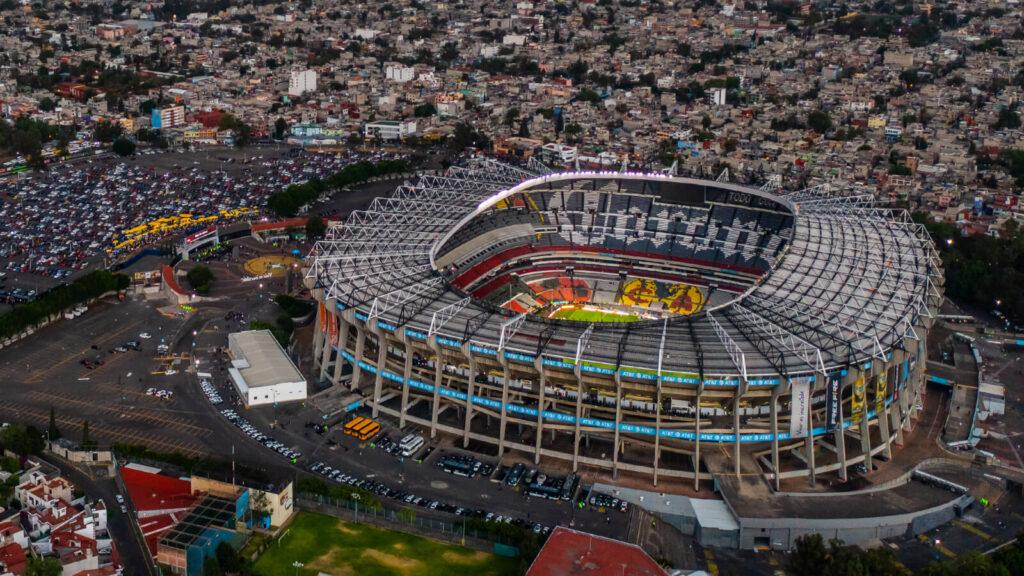
World Cup matches are run as neutral-site affairs, yet history shows host nations often rise above their usual level. From Uruguay in 1930 to South Korea in 2002, the pattern raises a clear question ahead of 2026.

The 2026 FIFA World Cup arrives as the largest edition ever, with 48 teams and three co-hosts. A look at past expansions shows familiar fears about quality — and why Canada and Mexico’s roles may define this tournament’s legacy.
The 2026 World Cup will be the first edition co-hosted by the United States, Canada and Mexico. With FIFA expanding the field, how will the format and logistics reshape the way the tournament is staged?
Loading…