

















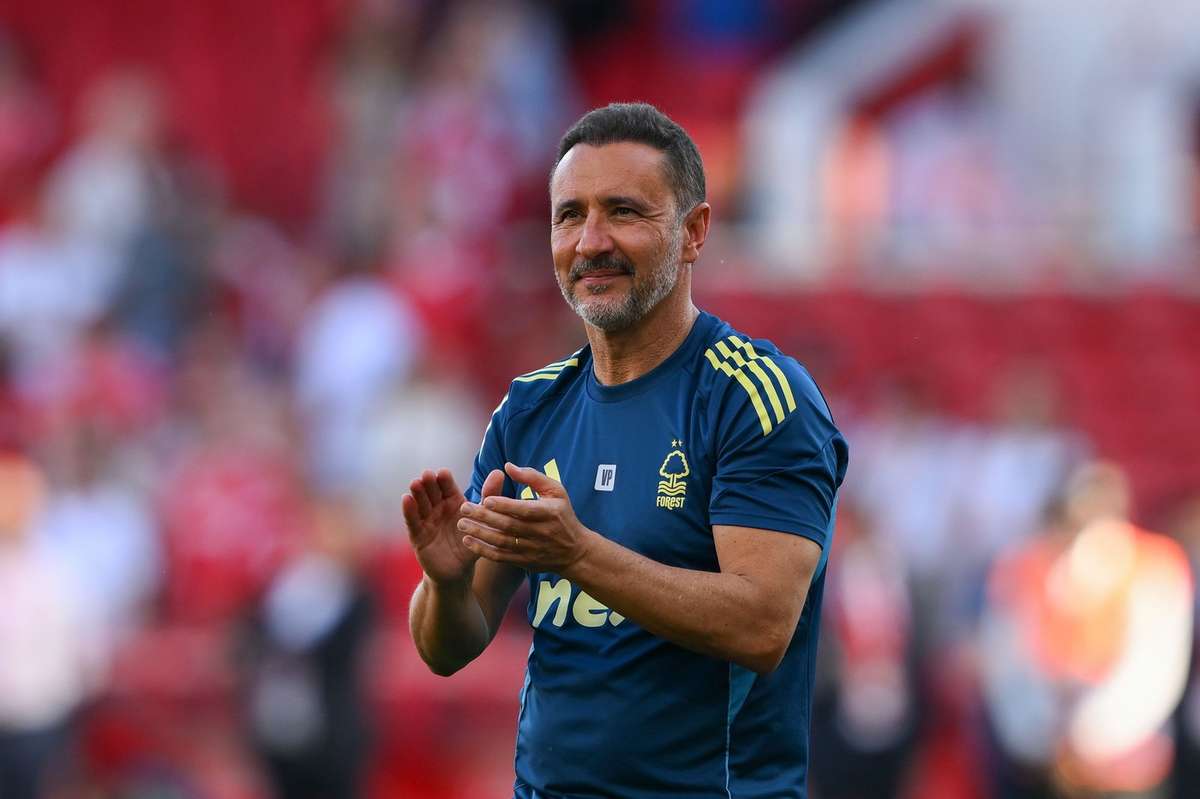
Nottingham Forest have confirmed one of the summer's most abrupt managerial departures, ending Vítor Pereira's spell as head coach by exercising a mutual break clause in his contract. The decision closes a turbulent chapter at The City Ground and opens the door to a fresh era that reports suggest will be led by former Crystal Palace boss Oliver Glasner.
For supporters still processing a season that swung between crisis and celebration, the timing lands with force. Pereira arrived as the club's fourth manager of the campaign, stepped into a relegation fight, and ultimately delivered the outcome that mattered most: Premier League survival. Yet Forest have chosen to move on immediately rather than build on that platform under the Portuguese coach.
What the club said
In an official statement, Nottingham Forest confirmed that Pereira and his entire coaching staff have departed the club.
The release noted that Filipe Almeida, Luis Miguel, Bruno Moura, Marco Knoop and Pedro Lopes have also left alongside the head coach. Forest thanked Pereira and his team for their work, citing Premier League preservation and a run to the semi-finals of the UEFA Europa League as defining contributions during a demanding period.
The wording was respectful but unmistakably final. By invoking a mutual break clause, the club framed the split as a contractual decision rather than a public dispute — yet the speed of the move still reads as a shock to anyone who viewed survival as the baseline for continuity.
A rescue mission that ended the season on safer ground
Pereira inherited a squad under pressure after Sean Dyche's exit and inherited a fixture list that offered little margin for error. Forest entered the closing stretch needing results, composure, and a clear tactical identity. Pereira supplied enough of each to steer the club away from the drop zone.
That outcome cannot be dismissed. Relegation would have reshaped the club's finances, squad planning, and broader ambitions for seasons to come. In that context, Pereira's most important statistic was simple: Forest stayed up. For a side that had cycled through managers and momentum swings, that alone represented a meaningful rescue operation.
Still, survival alone rarely settles every question around a manager's long-term fit. Forest's hierarchy appear to have decided that the immediate objective was met, but the broader project required a different voice in the dugout.
Europa League run added weight to a compressed tenure
The domestic fight for safety often overshadowed Forest's European campaign, yet Pereira's side also advanced deep into the UEFA Europa League. Reaching the semi-finals gave the season a second narrative — proof that this squad could compete on multiple fronts when organization and belief aligned.
For a club re-establishing itself among England's elite, that run carried symbolic value. It suggested Forest could blend Premier League pragmatism with continental ambition. Supporters saw a team capable of raising its level in knockout football, even as the league table demanded weekly discipline.
Pereira's departure therefore cuts both ways. He leaves with tangible achievements on his CV at Forest, yet the club have opted not to extend the partnership into the next phase of growth.
Why Glasner is the name in the frame
Reports across the football landscape now point toward Oliver Glasner as the leading candidate to succeed Pereira. The Austrian built a strong reputation at Crystal Palace, where his high-intensity, structured approach transformed a squad often labeled as limited into one capable of punching above its weight.
Glasner's appeal to Forest is not hard to sketch. Palace under his guidance showed how aggressive pressing, vertical transitions, and clear positional roles could elevate a mid-table side without requiring a complete roster overhaul. Forest possess individual quality across the pitch and remain ambitious under their ownership model; a coach who can impose a coherent system quickly fits that profile.
There is also a practical dimension. Glasner knows the Premier League's rhythm, its physical demands, and the weekly tactical chess matches that define the competition. Forest do not appear to be searching for a developmental appointment. They look ready to hire someone who can command the dressing room immediately and translate European experience into domestic consistency.
What Forest must solve in the transition
Managerial changes this early in the window create both opportunity and risk. On one hand, a new head coach can reshape preseason plans, influence recruitment priorities, and install a playing identity before the first league fixture. On the other, another reset tests squad stability after a season already marked by upheaval.
Forest's next appointment will be judged on more than last season's escape act. The club's stated ambition is to consolidate Premier League status and push toward the upper half of the table, using European football as evidence of upward momentum rather than an occasional detour.
Whoever arrives — and Glasner remains the most prominent name linked — will inherit a squad that knows how to fight, but also one that needs clearer weekly performance levels. Forest cannot afford another year of reactive football defined by survival math.
The bottom line
Vítor Pereira leaves Forest with gratitude from the club and a record that includes top-flight survival and a deep Europa League run. The mutual break clause makes the split official; the reporting around Glasner makes the future direction increasingly clear.
Forest have chosen change at the very moment stability seemed within reach. The next few weeks will reveal whether that gamble is the start of genuine progression — or another turn in a season that never quite stopped moving.