

















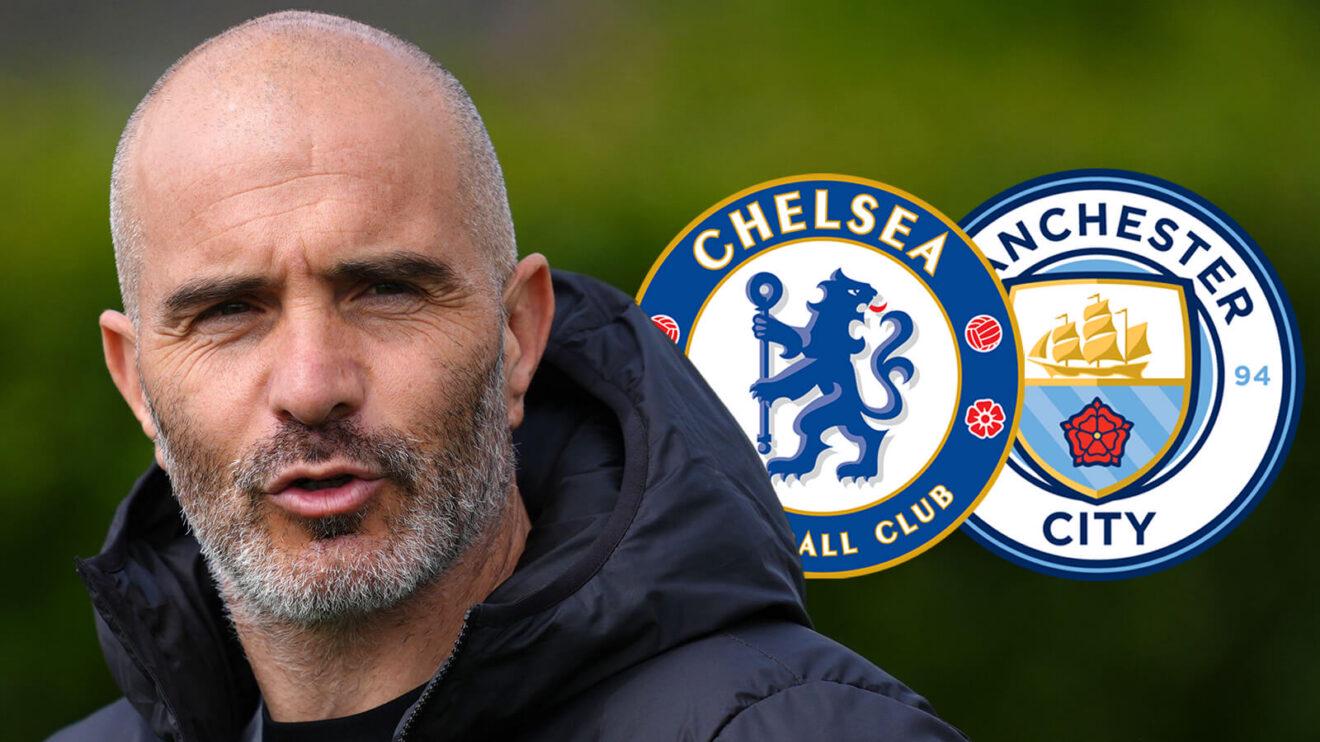
Enzo Maresca's move to Manchester City is being substantively held up by Chelsea's legal processes. The Blues argue that compensation should be sought from their cross-city rivals over the manager's departure and his contacts with Manchester City executives before he left; until the compensation framework is clarified, the Italian coach will struggle to make his official bow at the Etihad.
Compensation dispute: Undismissed contract becomes core leverage
According to multiple reports, Maresca led the side to the Conference League and Club World Cup titles in 2024/25 and returned them to the Champions League, yet parted ways with Chelsea midway through his second season in charge. For Chelsea's legal team, the key fact is not the results themselves but that he was not sacked by the club—about three and a half seasons remained on his contract. On that basis, London believes "substantial compensation" for breach of contract and the consequences of pre-appointment contact should be settled before Manchester City announce the appointment.
After Guardiola's end-of-season departure, Manchester City moved quickly on a new head coach; Romano reported a verbal agreement and a proposed three-year deal; more than two weeks have passed since the news broke, yet the unveiling press conference has still not happened. Sky Sports reports Chelsea's compensation claim has directly slowed the announcement, with the "deal now progressing in the lawyers' hands" at both clubs.
Autumn contacts: Season stability risks magnified
The tensions can be traced back to last autumn. Maresca told Chelsea’s parent-company management that he had held talks with Manchester City executives; speculation about a return to City has simmered ever since—he served as an assistant under Guardiola and was regarded as one of the leading candidates to succeed the Spanish maestro. The Telegraph reported that Chelsea believe the confrontational atmosphere in the weeks before the manager’s departure, together with his public admission of contact with City, had “undermined the team’s performance that season.” From an organisational standpoint, this is a classic “shopping for your next job before leaving your current post” risk at a critical position: managerial authority, dressing-room dynamics and match-day execution can all suffer knock-on effects.
Evidence from the pitch: result volatility amid a congested schedule
Recent results on the site show Chelsea winning 2-1 in both Matchdays 37 and 38 of the 2025 season, with another 2-1 defeat on Matchday 38; City drew 1-1 on Matchday 37 and lost 1-2 on Matchday 38, having previously won 3-0 on Matchday 31. In the Champions League, a Chelsea-related fixture ended 1-1 (fixture date 31 May 2026). Data cannot replace contract talks, but they show both clubs were still stretched on two fronts during the run-in—with the manager’s future unresolved, training plans, summer transfer timing and next season’s Champions League preparations all faced real disruption.
Manchester City’s managerial logic: a familiar system and expectations of a “seamless handover”
From a competitive and organizational fit standpoint, Maresca’s edge lies in his familiarity with Manchester City’s system and Pep Guardiola’s coaching philosophy, plus having run a Stamford Bridge–scale club (capacity around 41,841) on his own and winning continental silverware. Chelsea legend Joe Cole told the media that City will “still be title contenders next season” and that it would be “hard to find a more suitable candidate”—someone who gets the club culture and has a proven résumé at another elite side.
Yet the aim of making the handover “as seamless as possible” is being offset by cross-club legal wrangling. The new-era launch at the Etihad Stadium (capacity around 55,097) depends on whether both sides’ lawyers can align on compensation and liability; until then, any verbal deal stays at the level of press speculation.
What to watch: three parallel risk lines
First, legal risk: if Chelsea hold out for a large settlement, City may have to revise their offer or stretch talks, pushing the official announcement window back further. Second, reputation and dressing-room risk: Chelsea must explain to players and fans why the manager is leaving; City must avoid the negative narrative of “poaching a manager while the exit is unresolved.” Third, calendar risk: with the summer window near, every day the new boss arrives late is one less day of buffer for pre-season tactics and transfer calls.
For supporters, the short-term focus is still why “HERE WE GO” has not turned into a club statement. Until the legal process is closed, Maresca’s Manchester City chapter cannot truly begin; whether Chelsea secure compensation they are happy with will also set a new precedent for managerial moves between Premier League giants.