

















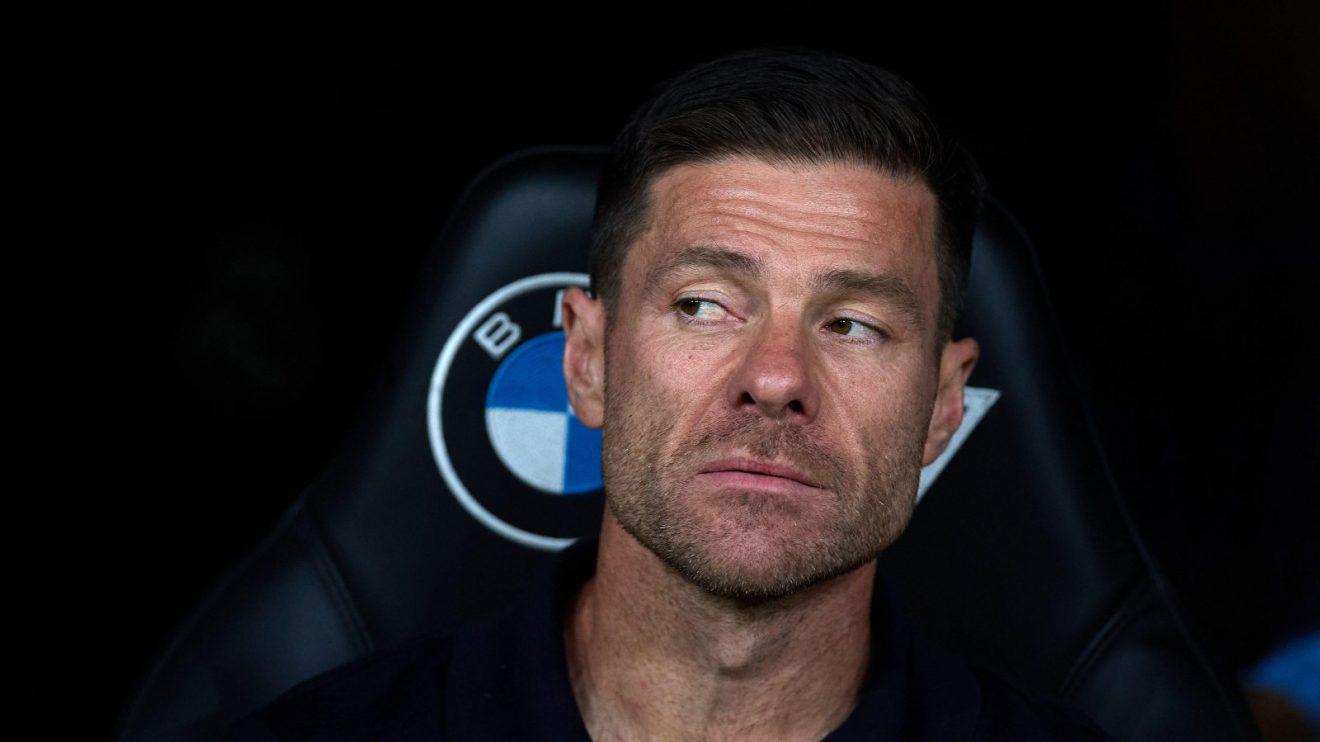
The wind in London before summer still carries last season’s heaviness. Talk outside Stamford Bridge has long since moved beyond “who takes charge” to whether the club can pull the dressing room, the stands and the board onto the same page after yet another rushed managerial change. According to renowned journalist David Ornstein on Monday evening, Chelsea are exploring a deal to appoint Xabi Alonso as their new head coach; the 44-year-old former Real Madrid boss is open to the possibility, but nothing is final yet and the process remains ongoing.
Three threads on the shortlist
Before that, Bournemouth head coach Andoni Iraola had been viewed as the frontrunner — he will become a free agent next month, which dovetails naturally with Chelsea’s timeline. Ornstein also stressed that Iraola remains a “strong contender”. The Sun reports that Chelsea have held talks with Iraola’s camp; more interestingly, Iraola and Alonso share the same agency, and the Blues have expressed interest in both coaches. Another slightly surprising name has surfaced: Fulham’s Marco Silva will also soon be a free agent and is seen as a backup option; former Villa striker Gabby Agbonlahor said bluntly on talkSPORT that Silva is the “perfect” fit — “these big-name players need a hard-nosed manager; bring in a soft touch and they’ll walk all over you”, and Silva’s uncompromising touchline manner is exactly the answer in his eyes.
For the average supporter, this list reads like three versions of the same press conference: tactical innovator, trophy-winning pedigree, Premier League familiar face. What really stalls the process has never been how big the names are, but whether the club is willing to hand over full football decision-making power.
Alonso’s “key” and the Liverpool variable
Alonso has been pushed by multiple outlets as the top favorite, but he is not without baggage. Reports indicate that his preferred destination remains Liverpool, yet with Arne Slot already entrenched at Anfield, Alonso "landing" at Stamford Bridge has become a realistic option. Chelsea legend Jimmy Floyd Hasselbaink's remarks on Sky Sports read almost like a playbook for these negotiations: "If you choose Alonso, you must hand him the keys—players need to know that football matters are decided by the manager, and only then will they give more."
Hasselbaink believes Alonso was "not bad" at Real Madrid; it is just that the Bernabéu yardstick is topping the table for an entire season. He also pointed to the same challenge Alonso may face at Real Madrid and Chelsea: insisting on leading in his own way and requiring star players to buy into the system and off-the-ball running—something that requires board backing rather than being repeatedly undermined from the sidelines. If Chelsea's hierarchy is only willing to grant "partial authority," history is likely to repeat—Liam Rosenior, who left last month, lasted just 106 days in charge; before Enzo Maresca's dismissal in January, he had proven his approach with trophies including the Conference League and Club World Cup, yet likewise failed to withstand structural pressure.
Season backdrop and rebuilding pressure
The 2025/26 season ended in disappointing fashion for Chelsea: widely seen as needing a major rebuild, this appointment is being framed as one they cannot afford to get wrong. Match database results also sketch the Premier League picture on the final week of the season—Fulham won 2-0 at home on Matchday 38, Bournemouth drew 1-1; Chelsea themselves picked up a 2-1 win in the closing stages of the league campaign, yet that could not mask the gap across the full season. On the Real Madrid front, the team's numbers before and after Alonso's departure continue to be cited: 26 shots, 10 on target, 65% possession, 92% pass completion in a single match—a high-intensity possession profile behind the victory, precisely the brand of football he hoped to replicate in London, but Chelsea's star structure and power structure are far more complicated than any tactics board.
Off the pitch: who should come in, who should go
From a supporter's standpoint, fans want more than a "big-name coach dropping in"—they want someone who can hold sway in press conferences, on the training pitch, and in the transfer window. Iraola's advantage lies in being about to become a free agent, with substantive progress already made in talks with the club; Silva's strength is proven Premier League discipline and character; Alonso brings a championship pedigree and a clearly defined system, with the trade-off being the risk of complications involving Liverpool's interest and friction with Chelsea's star players.
Hasselbaink turned the spotlight on governance higher up at BlueCo: Rosenior "may not be the wrong man," Maresca "hardly lacks credentials," but the issue is whether appointment and authority go hand in hand. For Chelsea, the real test this summer is not the name on the unveiling poster—it is whether the new head coach can enjoy full tactical and squad-selection sovereignty in his first season.
Three storylines are worth watching closely from here: whether Alonso moves from “exploring” the job into substantive contract talks; whether Iraola’s parallel negotiations with the same agency force Chelsea to accelerate; and whether Silva goes from a long shot to a serious conversation. If Alonso pauses over the Liverpool route or a clash over control, Iraola remains the most likely Plan B to land. Whoever gets the job, Chelsea’s next managerial change will once again test whether the club gives its head coach a full set of keys—or only keys that open some of the doors.