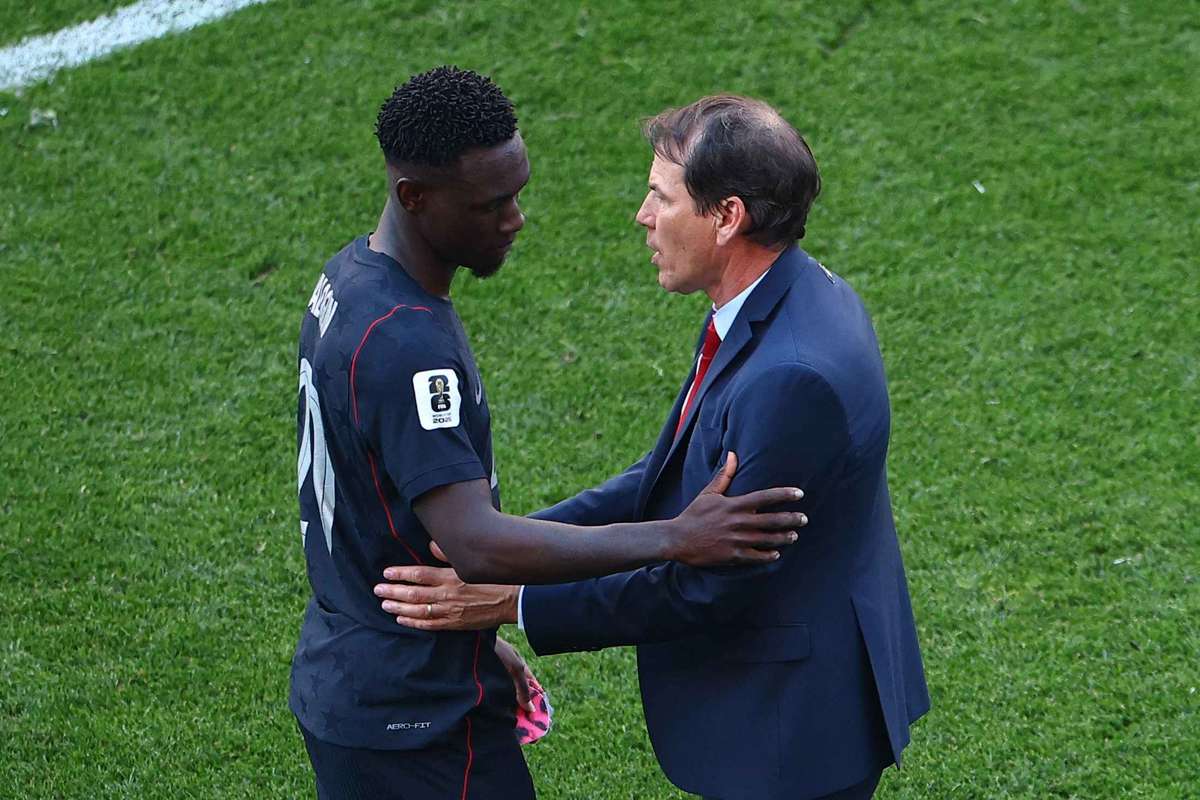


















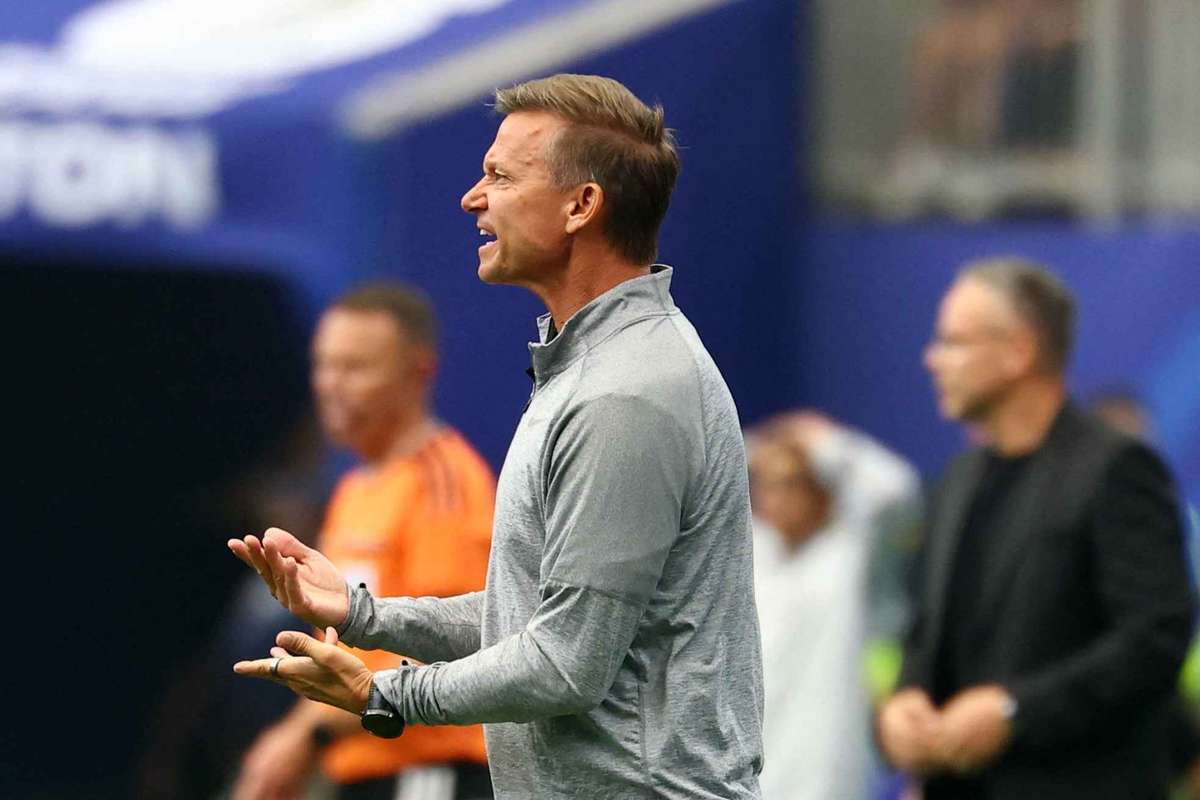
Canada’s World Cup exit against Morocco carried the weight of history and the sting of what might have been. Les Rouges had already rewritten their tournament record book with a first point, a first victory, and a first knockout-stage win. Against the seventh-ranked team in the world, they controlled long stretches, pressed with purpose, and looked like the side more likely to score for much of the opening hour. Yet missed chances, costly errors, and the absence of Alphonso Davies left the night feeling unfinished rather than unfulfilled.
For Jesse Marsch, the match became less a verdict on one result and more a case study in how a national team builds competitive habits under pressure—and how coaching staffs must balance ambition with player welfare when the margins are thin.
A Performance That Matched the Ambition
Marsch told reporters he was proud to lead Canada and even prouder of how his players performed on the night. That tone matters in high-stakes environments where young squads can either shrink from the moment or grow into it. Canada, in his view, chose the latter.
"I'm very proud to be the Canadian national team coach, and as proud as I am, I'm even more proud of the way our boys played today," Marsch said.
From a training and match-preparation standpoint, the first half offered a clear template. Marsch said Canada "totally controlled" Morocco, describing a stretch in which there appeared to be only one team on the pitch. Even early in the second half, Canada remained the aggressor and looked more likely to find a breakthrough.
That assessment aligns with what coaches often seek when they talk about translating week-to-week work onto the biggest stage: repeatable pressing triggers, coordinated rest-defense, and the confidence to impose rhythm against elite opposition. Before kickoff, Marsch suggested that if someone had promised a performance at that level, he would have expected a strong chance to win.
The turning point, he said, came after Morocco’s opener. The goal shifted the game’s psychology and tactical geometry. Morocco could sit deeper, absorb pressure, and force Canada to chase an equalizer in spaces that became harder to exploit. For a staff building a national-team identity, that sequence is familiar—dominance without conversion is still a lesson in finishing, decision-making under fatigue, and emotional regulation after conceding.
Davies and the Hard Line on Match Fitness
Canada’s task grew harder without Davies, the Bayern Munich wing-back whose tournament had already been disrupted by injury. He missed the Morocco match after a hamstring setback and had managed only a few minutes across the competition.
The detail that often separates professional environments from reactive ones is how readiness is defined. Davies did not frame his absence as frustration alone; he framed it as a standard.
"We want players on the pitch that are 100% to play the game," Davies told reporters. "I wasn't there yet. It was tough sitting there, watching the game, knowing that I'm not 100%."
That language reflects a culture coaches try to install at every level: availability is not binary on matchday. A player can be present, even influential in limited minutes, and still fail the threshold required to repeat high-intensity actions across ninety minutes against top-tier opposition.
Marsch said Davies did not feel right in training the day before the match. Staff ordered an MRI, confirmed the issue, and made the call to withdraw him. "It killed him more than anyone," Marsch said, "but I think it was the right decision to preserve him and his career and get him fully healthy."
For programs investing in long-term player development—not just single-tournament outcomes—that decision is instructive. The temptation to push a star through a knockout environment is real. The cost can be measured in re-injury, altered movement patterns, and months of rehab that set back both club and country. Marsch’s public backing of the medical pathway gives younger players a visible example: the staff will protect sustainable careers even when the competitive window feels urgent.
What the Absence Changed on the Pitch
Losing a primary wide outlet changes more than one position. It affects how opponents defend, how rest periods are managed during transitions, and how set-piece plans are distributed. Canada still generated control without Davies, which speaks to the depth of work Marsch and his staff had done to make the system less dependent on individual brilliance.
At the same time, Davies’ profile—pace, width, one-versus-one threat— is difficult to replicate without altering the team’s risk profile. Coaches at the national-team level often describe that trade clearly to players: the structure can hold, but the final five percent of unpredictability may disappear. Canada’s missed chances and errors under pressure suggest the gap was not tactical alone; it was also about converting dominance into goals when the opponent’s block tightened.
From Historic Steps to Daily Standards
Throughout the tournament, Marsch argued that Canada had shown it belonged among the world’s elite—not as a slogan, but as a repeatable competitive posture. The Morocco match reinforced that claim in phases even as the scoreline fell short of his internal expectation.
After the final whistle, Marsch waved away television cameras and gathered his team on the pitch for a postgame huddle. That choice signals how he wants the environment to feel: less performative for outsiders, more honest among the group that must carry the work forward.
He urged players and Canadian soccer broadly to treat the World Cup as a springboard rather than a missed opportunity. The challenge he laid out was explicit: the standard displayed against top opposition cannot live only in tournament weeks.
"I challenged them to understand that we can play like this all the time," Marsch said. "Against the best teams in the world, we can be better on the day. The challenge is, can we hold that level when the spotlight fades and the daily work begins again?"
That question sits at the center of federation development. World Cup cycles compress attention and funding. The harder project is institutional—aligning youth pathways, coaching education, and national-team methodology so that pressing intensity, defensive discipline, and medical rigor become normal rather than exceptional.
Coaching Takeaways for the Next Cycle
Marsch’s public comments outline a coherent post-tournament agenda. First, Canada proved it can compete structurally with a top-ten nation for extended periods, which validates the training model and game model installed since his appointment. Second, the staff demonstrated willingness to make unpopular short-term decisions—holding Davies out—to protect long-term capacity. Third, the squad must convert territorial and statistical control into decisive moments, a skill set that grows through repeated exposure and targeted finishing work under fatigue.
For coaches watching from academies, universities, and professional setups, Canada’s run offers a practical lesson: breakthrough results often arrive when daily standards rise faster than external expectations. Marsch’s regret over Davies’ absence is real, but his pride in the collective performance suggests he sees the foundation more clearly than the final margin.
The work now is to make that foundation ordinary—week after week, camp after camp—until the next global stage is not a surprise but a continuation of habits already built.