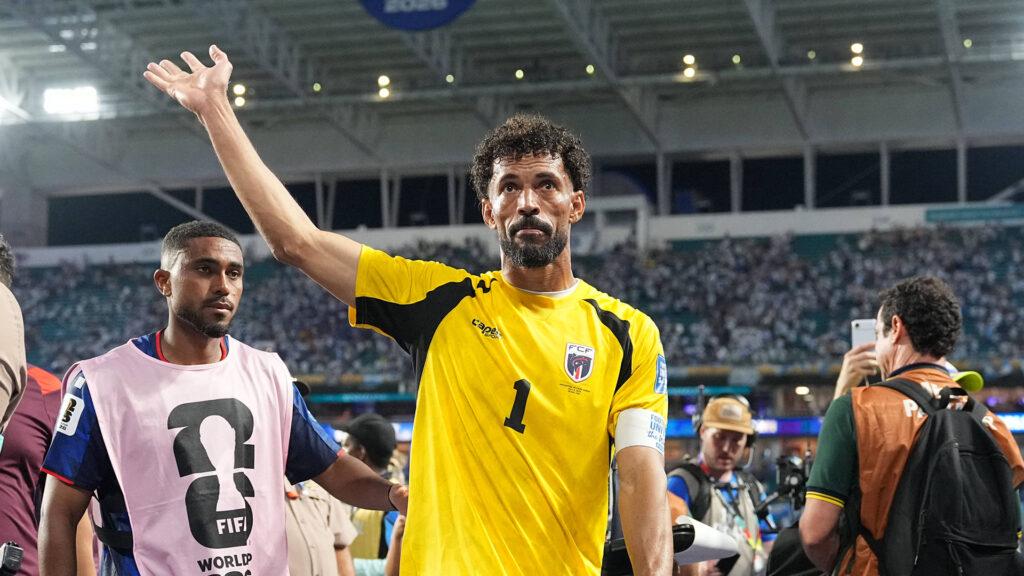


















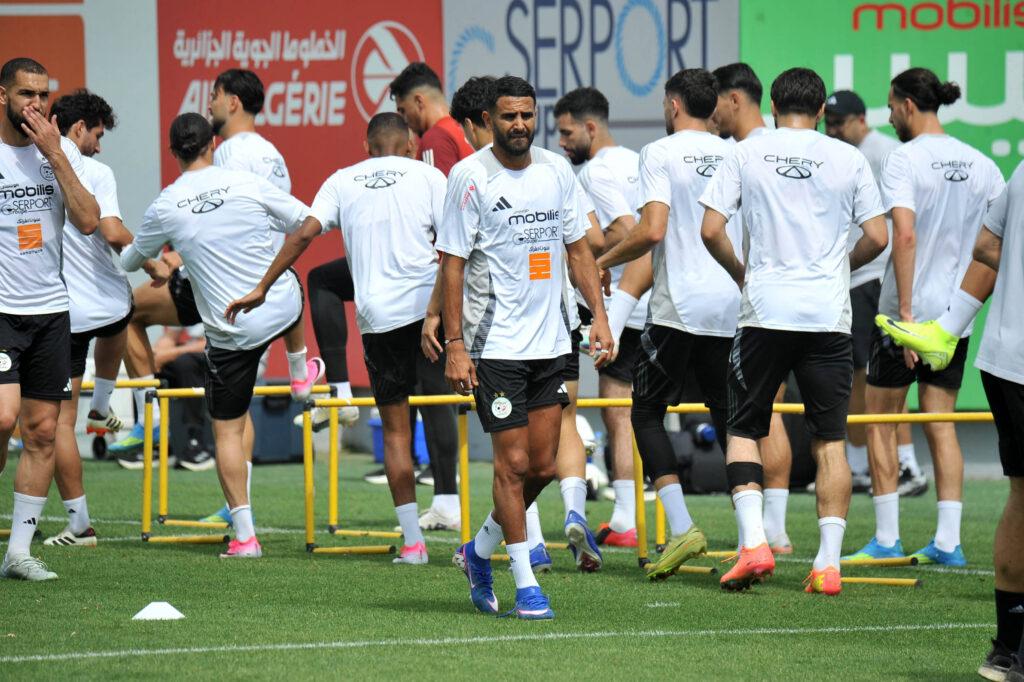
On June 23 (Beijing time), Jordan and Algeria will meet at Levi's Stadium in Santa Clara, USA, in Matchday 2 of Group J at the 2026 FIFA World Cup. This is each side's second group-stage fixture of the tournament, and a clash of sharply contrasting styles—Jordan showed counter-attacking pace in the opener but conceded repeatedly at the back; Algeria kept the ball at their feet but failed to turn their dominance into goals.
Tournament Format and Group-Stage Pressure
Co-hosted by the United States, Canada, and Mexico, this World Cup sees qualification scenarios tighten as Group J enters its second round. For Jordan and Algeria, their opening results laid bare their respective problems: the former can find the net but its defense cannot withstand sustained pressure; the latter has not been overrun on the pitch, yet the final pass and finish have consistently fallen just short.
There is no direct head-to-head record between the two sides in the historical data available on this site, which means recent form, opening-round statistics, and in-game adjustments will be the main basis for judging how this match might unfold. For the other teams in Group J, the outcome here will also affect standings and goal-difference calculations—in the World Cup group points system, a draw can sometimes stop the bleeding, but to take control of their fate, sides still need all three points.
Recent Form: One Lives on Moments, the Other on Structure
Jordan carry heavier form pressure into this fixture. The numbers show three straight defeats, no win in their last six, and at least one goal conceded in each of those six games—a clear lack of clean-sheet capability. The tempo of their matches is just as telling: five of those six went over 2.5 goals, and both teams scored in five of them. Their games are rarely dull, but that also means the back line seldom stays clean for long.
Their first-half record is equally worrying: in five of their last six, they were trailing at the interval, with slow starts and late comebacks becoming a familiar pattern. That aligns with their 37% possession in the opener and a style built on quick transitions—the team can create danger, but struggle to balance attack and defense across a full 90 minutes.
Algeria's recent sample paints a different picture: yellow card and corner kick numbers are generally low, match discipline is relatively better, and there's a clear tendency toward controlling the game. Though they failed to score in the opening round, the label of "dominant possession, insufficient scoring" has already set the tone for this match—they are more likely to slow the game through shape retention and a possession-based tempo, then look for set pieces or second-chance opportunities after crosses from the flanks.
Data Clues: Efficiency Defines the Ceiling
Jordan: Shots Aren't Lacking, but Conversion Remains Tight
Looking at Jordan's technical stats from the previous round, the team completed 11 shots with 4 on target, ultimately netting one goal—including one from a quick counter. The 11-shots, 4-on-target ratio suggests the front line isn't entirely bereft of ideas, but a 37% possession rate and 241 completed passes out of 332 attempts also expose how hard it is for them to sustain pressure on opponents in positional play.
Put another way, Jordan's ceiling hinges on whether their transition speed can outpace the opponent's defensive recovery, and whether the back line can break the habit of conceding across six straight matches. If they stick to the "concede first, chase later" script against an Algeria side with steadier possession and a more cohesive structure, both fitness and mentality will be put under greater scrutiny.
Algeria: Possession Is an Edge, Breaking Through Is the Task
The issue Algeria displayed in the first round was the classic "process looks good, result falls short"—more composed in possession and passing, yet lacking the decisive pass or finish to turn advantage into goals. In their last five matches, four saw fewer than 4.5 yellow cards; in their last eight, six had fewer than 10.5 corners—signs that their games rarely descend into scrappy physical battles or relentless bombardment around the box.
That's both a plus and a test for Algeria: fewer cards and corners suggest a tempo tilted toward tactical maneuvering rather than open slugfests; but if prolonged attacks fail to pay off, Jordan is precisely the type to punish gaps on the counter. Algeria must sharpen its finishing in the box while guarding against opponents exploiting the space behind when they push forward.
Venue, Referee and Match Tendencies
Levi's Stadium holds around 68,500 spectators, and the pitch conditions generally favor passing and quick progression, making it a venue that is not a purely attritional disadvantage for either side. Slovenian referee Slavko Vinčić will take charge of this match; across 374 appointments in his career and an average of more than four yellow cards per game, his record suggests he will not take an overly lenient view of fouls and tactical infringements.
However, in nine of Jordan's last ten matches the total yellow-card count was below 4.5, and Algeria were under that threshold in four of their last five, so both sides have been relatively disciplined with cards of late. With corner-kick numbers also trending low, this fixture is more likely to feature tactical jockeying than rough physical confrontation; the key variables should lie in how a few high-quality chances are handled, rather than an endless barrage of set pieces.
Tactical match-ups and what to watch
From a match-up standpoint, this is a direct clash between rapid transitions and structured possession. If Jordan are to take something from the game, their first priority is to sharpen defensive focus in the opening 15 to 20 minutes and avoid slipping back into the passive rhythm of playing from behind at half-time again; up front, they need to convert a level of chance creation in the region of 11 shots into a higher share of shots on target and goals.
Algeria's plan is relatively clear: use possession to reduce the frequency of the opponent's counters, create clear-cut chances through width on the flanks and penetration through the middle, and avoid risky short passing too deep in their own half. If they can take the lead in the first half, they will be better placed to drag the game into the low-volatility rhythm they prefer; if they fail to break through after sustained pressure, they must guard against Jordan's ability to explode on the counter through a single moment of quality.
In our view, the game will not be decided by who has more of the ball, but by who can turn the "first genuine threat" into a goal more quickly. Whether Jordan's back line can stop their run of conceding, and whether Algeria's front line can break the cycle of controlling without scoring, will directly shape the points and goal-difference picture in Group J after the second round of matches.
Post-match implications and qualification outlook
For Jordan, another defeat would mean more than a three-game skid—they would risk slipping further in the group standings and seeing their qualification hopes narrow quickly. Even if they manage to pick up points, they must also improve their goal difference and reduce goals conceded, as Group J is often decided on fine margins. For Algeria, this is the game to bounce back after a draw or loss in the opening round. At the stage possession-based sides dread most—all show and no end product—they need a sharper attacking performance to show that the opening round was just a blip.
After the second round, the Group J picture will enter a clearer sorting-out phase. Whatever the result, this match will be an important benchmark for the rest of the schedule: whether Jordan can still steal points on the counter, and whether Algeria can turn their dominance on the pitch into points on the table—these will be the two storylines to watch most closely in the latter half of the group stage.