
















Discussions outside De Kuip in Rotterdam often heat up faster than those in the dressing room. After Robin van Persie stepped down as Feyenoord manager, the first name shouted from the stands is almost always tied to this city's championship memories — who can take the reins at this Dutch powerhouse, and whether they can steer Rotterdam's fighting spirit back onto the title-chase track, has become one of the loudest off-pitch talking points in Dutch football this summer.
Vacancy in the Dugout: From Title-Winning Coach to Succession Pressure
Van Persie's departure is, on the surface, a chain reaction of results and dressing-room friction, but in essence it is another examination of Feyenoord's demand for "steady output." Club executives Daveigh Rigogl and Robert Eenhoorn face more than just finding a familiar face from the Dutch-speaking football world — they must quickly deliver answers that balance Champions League qualification, domestic cup ambitions, and supporters' patience. For Feyenoord fans who have long treated their home ground as a fortress, the new head coach must understand Rotterdam and also hold their own on the European stage — and that is precisely where the dream list begins to split from the realistic one.
The Dream Tier: Slot, Glasner and Regragui
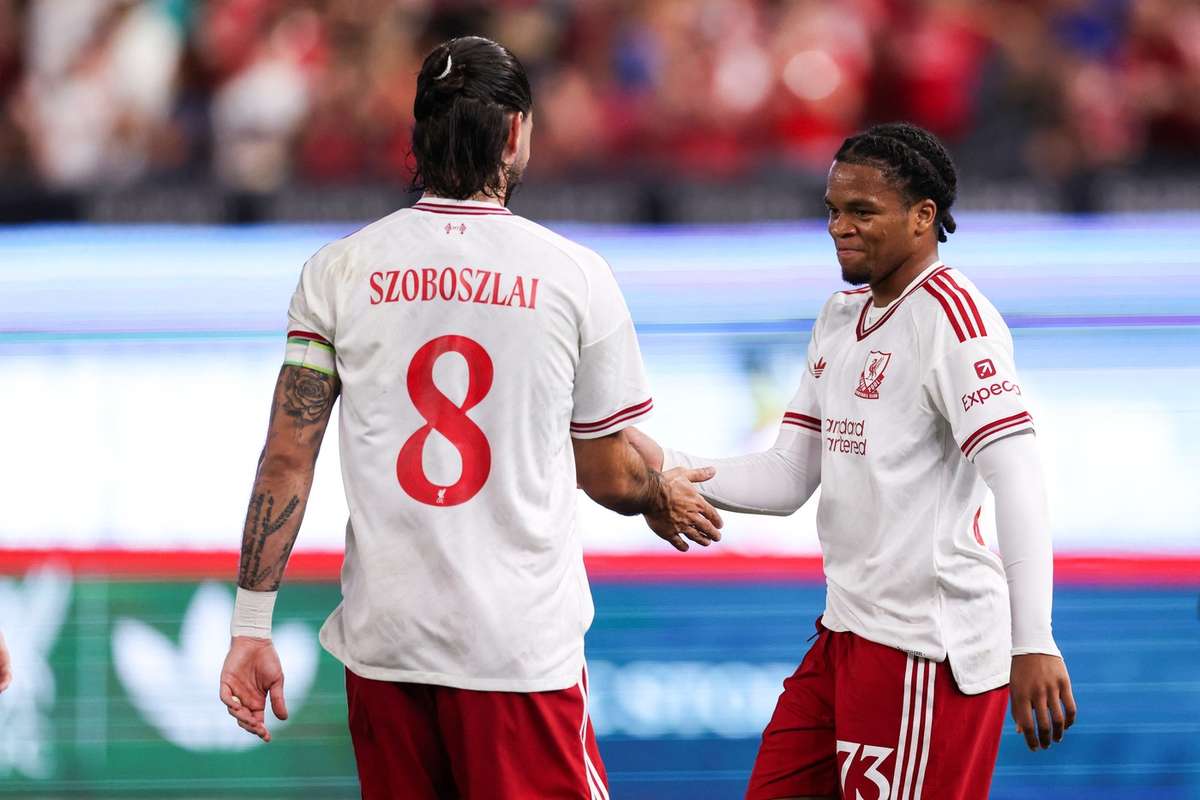
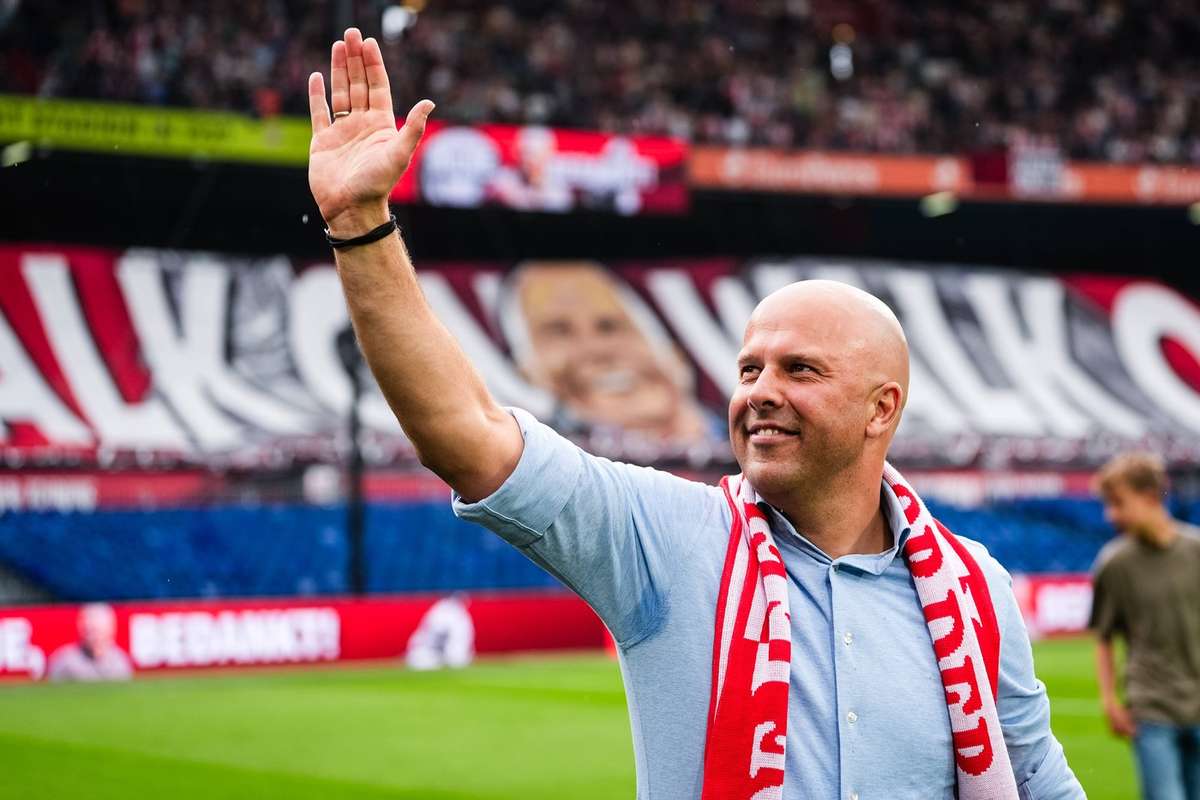
If you lay out supporters' wish lists, Arne Slot is almost uncontested at the top. The former Liverpool boss is regarded as one of Feyenoord's most successful coaches of the 21st century: league title, KNVB Cup and Johan Cruyff Shield all won, plus a run to a European final. He is now a Premier League title-winning manager and has long been one of the hottest properties in the coaching market. Bringing him back to Rotterdam from the Anfield story would be enormously difficult, but the name alone is enough to fire the imagination of the De Kuip crowd.
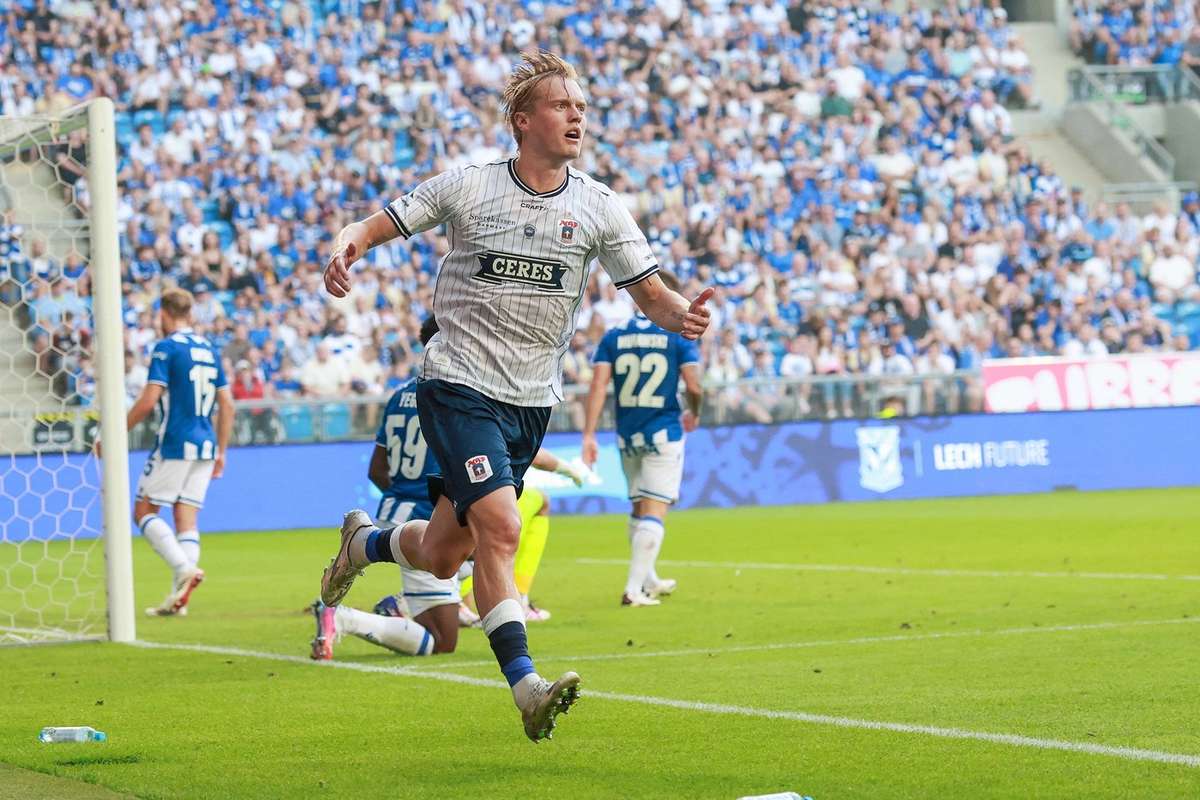
Oliver Glasner is another name Dutch media have been mentioning frequently of late. The Austrian guided Crystal Palace to the Conference League title this season, with a clear tactical identity and sharp in-game adjustments, and Serie A giants Milan are said to be keen. For Glasner, a bigger payday from one of Europe's top five leagues clearly holds greater appeal, leaving Feyenoord largely in the realm of "what if" — unless the club is willing to match elite ambition with elite compensation.
One step further on lies the more internationally flavoured path of Walid Regragui. Morocco currently sit eighth in the FIFA rankings, and Regragui led the Atlas Lions to a historic run to the semi-finals at the 2022 World Cup in Qatar—becoming the first African side to reach that stage. After winning 36 of his 49 games in charge, he stepped down from his Morocco FA role in March, citing fatigue. By the measure of major-tournament pedigree, Regragui certainly merits the “bold gamble” label, but whether he can adapt to the day-to-day grind of club league football remains a variable Feyenoord’s technical team must scrutinise closely.
Realistic tier: Schreuder and Tomasson closer to the operational frame
One tier down, Dick Schreuder is the most eye-catching name. He guided NEC to one of the best seasons in the club’s history this term, finishing third in the league and qualifying for the Champions League for the first time; despite losing the KNVB Cup final to AZ Alkmaar—denied the KNVB Beker title—the season’s attacking football was a joy to watch, even drawing comparisons with Jürgen Klopp’s “rock-and-roll” style at Liverpool. Schreuder has publicly stated he is “one hundred percent” committed to staying at NEC, but once Feyenoord come knocking, Rotterdam’s pull on homegrown coaching success stories has never been easy to resist.
Another option with stronger Feyenoord pedigree is 49-year-old Dane Jon Dahl Tomasson. He was part of the UEFA Cup-winning squad in 2001-02, making 208 appearances and scoring 93 goals for Feyenoord—the most of any player in the club’s history. Familiar with the dressing-room culture, attuned to the city’s temperament, and requiring no adaptation period—such “one of us” credentials often soothe the stands more effectively than glittering résumés during periods of managerial instability. If the board lean towards a low-risk transition, Tomasson would be a more pragmatic piece of the puzzle than a marquee overseas appointment.
Managerial choice: Eredivisie landscape and the fight for European places
From the wider picture of the competition format and the league table, Feyenoord’s managerial change is hardly an isolated move. NEC Nijmegen have already risen under Schreuder’s guidance, while traditional rivals Ajax and PSV Eindhoven are also chasing Champions League places; decisions in the dugout will directly shift the psychological balance of the 2026-27 Eredivisie title race and the fight for European qualification. Choosing a coach who can sustain a high-pressing attacking style, or betting on the star-manager effect, matters not only for Rotterdam—it will also ripple through Dutch clubs’ competitiveness on the European stage.
For the average fan, three things are worth watching closely: whether the club will quickly announce an interview timetable; whether Schreuder and Thomassen have received formal approaches; and whether dream names such as Slot, Glasner and Regragui will be floated to drive up the stakes or generate hype. De Kuip’s summer will not stay quiet for long—until the managerial seat is filled, every rumour beyond the training ground will be another moment for the city of Rotterdam to recalibrate its ambitions.