

















Transfer trajectory: From La Liga big-three links to the Bernabéu
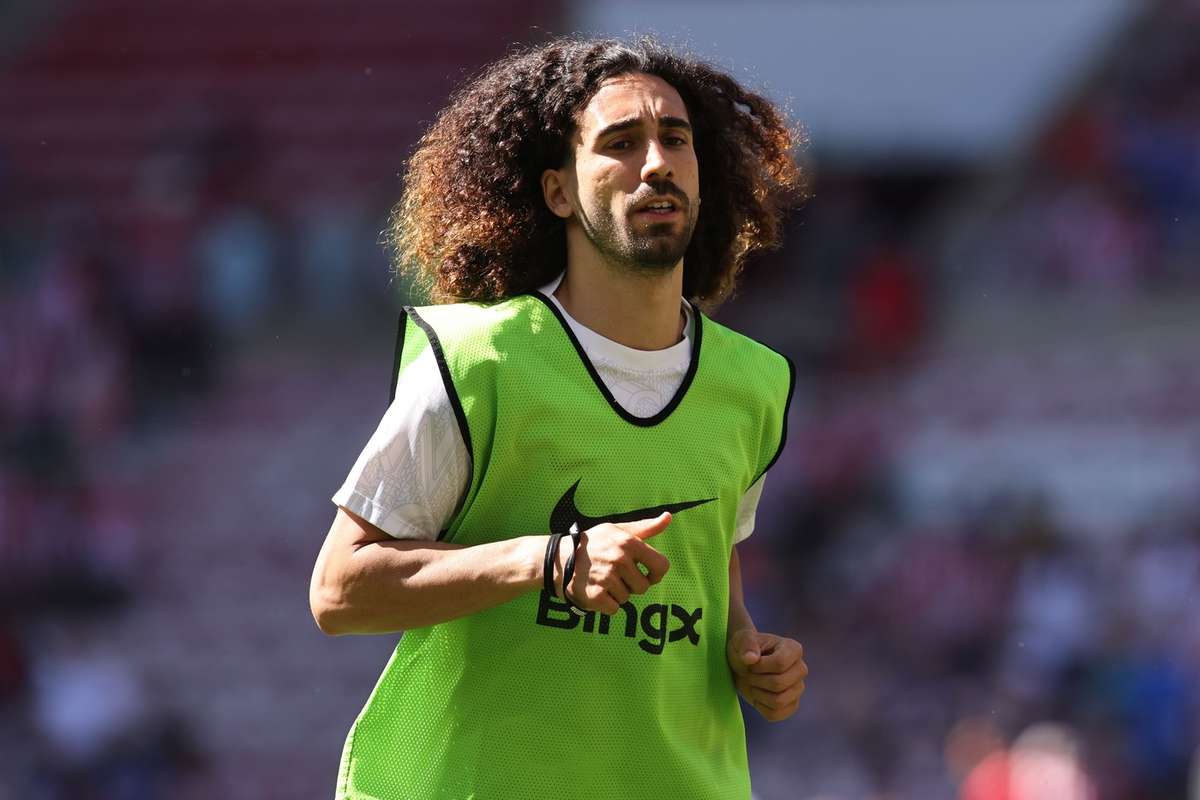
Multiple sources confirm that 27-year-old Marc Cucurella has agreed personal terms with Real Madrid and will officially leave Chelsea after the World Cup. In recent weeks, the Spain international left-back's next destination had been linked with Atlético Madrid or Barcelona, but the wind has now firmly shifted toward Los Blancos — for Real Madrid, it is a key step in bolstering depth on the left during the summer window; for Chelsea, it means another core defensive figure will depart during the seasonal transition.
Negotiation logic: Personal terms and registration windows
From an operational standpoint, agreeing personal terms first and then proceeding through formal procedures is the standard path in the European transfer market. Once a player and the interested club reach agreement on contract length and wage structure, the clubs themselves then move on to negotiating the transfer fee or contractual details. Cucurella is reported to have completed the personal terms stage with Real Madrid, meaning obstacles on the player's side have largely been cleared, with the focus now shifting to how the two clubs will align the timing of completing the deal with the registration window.
Signing after the World Cup likewise fits competition rules and schedule constraints. The 2026 World Cup will be co-hosted by the United States, Canada, and Mexico; Cucurella will first need to complete his duties with the Spain national team before reporting to his club and joining pre-season training. For Real Madrid's new head coach José Mourinho, this timing avoids a tug-of-war between national team and club preparations while reserving a clear window for pre-season tactical integration—Mourinho has been reported as a key figure driving the deal, with his personnel preferences and left-back configuration needs seen as important context behind Madrid's accelerated negotiations.
Chelsea angle: Alonso's retention talk vs. the reality of departure
Another layer of tension is worth noting in the transfer backdrop. Cucurella has publicly mentioned having spoken with Xabi Alonso, the compatriot set to take charge at Chelsea, who had given him "more confidence" in the Blues project. Under normal circumstances, a new manager keeping a core full-back signals a rebuild; but the transfer market does not always follow emotional logic—when Real Madrid offer a more attractive platform and contract framework, a player making a move at the peak of his career does not defy market norms. For Alonso, a summer window that opens with a left-back reshuffle and the challenge of filling the tactical void left by Cucurella's departure will be an early test of his Chelsea tenure.
Market backdrop: Why Atlético and Barça first, and Real Madrid in the end
Born through La Masia and having spent much of his career in La Liga, a return to Spain's top flight was always a logical option for Cucurella. Earlier links with Atlético and Barcelona reflected how his profile—an attacking left-back with overlapping runs and crossing ability—matched La Liga giants' ongoing demand for width and energy down the flanks. Atlético play at the 70,460-capacity Cívitas Metropolitano, while Barcelona occupy the 55,926-seat Camp Nou; both clubs were seen as potential destinations.
A Real Madrid win would point more to Los Blancos’ squad planning and the head coach’s thinking on personnel. With a Bernabéu capacity of 85,454, depth on the left has never been optional for a heavyweight club that must rotate through a demanding schedule. Since Mourinho’s return, he has stressed defensive organization and solidity out wide; Cucurella’s blend of defensive positioning and attacking support overlaps with that tactical profile. By contrast, Chelsea’s home ground Stamford Bridge holds 41,841, and in recent years their back line has seen frequent turnover—selling a first-choice full-back to raise transfer funds or refresh the squad is hardly uncommon amid Financial Fair Play constraints and a rebuild cycle.
Impact Assessment: Three-Way Dynamics and What to Watch Next
For Real Madrid, joining after the World Cup means pre-season integration time is compressed, but arriving in form as a member of the European Championship-winning side—if Spain’s run goes well—could also shorten the adaptation period. For Chelsea, losing a left-back in his prime would directly reshape Alonso’s tactical board: whether to promote from within, switch to a three-centre-back system, or continue spending in the market—all must be settled within the limited summer window.
Our view is that if this deal is eventually confirmed, the core focus is not “whether the transfer happens” itself—personal terms being agreed has already greatly increased the likelihood of completion—but rather the fee structure, sell-on clauses, and whether Real Madrid will simultaneously address their existing left-flank options. For supporters, Cucurella’s displays for his national team during the World Cup will also serve as a direct barometer of his prospects at the Bernabéu; the timing of his official unveiling there will depend on how efficiently the World Cup schedule and the two clubs’ administrative processes align.
Worth tracking next: whether Chelsea move for a replacement, Real Madrid’s final left-side setup in the summer window, and how Alonso adjusts the defensive system after losing Cucurella. Until an official announcement lands, the deal may still shift, but based on cross-checking from multiple sources so far, Cucurella’s move to the Bernabéu looks highly probable.