






The 2026 World Cup schedule delivers two sharply different storylines on the same day: a heavyweight Iberian collision in prime time, then an overnight fixture that pits home-tournament momentum against a side that has survived on fine margins.
Portugal and Spain meet at 21:00 CET in what already reads as the defining European encounter of this tournament window. Both arrive with the statistical profile of teams built to control games rather than chase them.
The Iberian Main Event
Spain enter ranked second in the world on 1876.40 FIFA points, one place below their previous standing but still firmly among the elite. Their most recent World Cup outing in this cycle produced a commanding win: 65% possession, 23 shots, 10 on target, and three goals. That is not a team hoping for chaos — it is a side that trusts structure, circulation, and sustained pressure.
Portugal sit fifth globally at 1763.83 points after climbing one spot in the latest rankings. Their latest World Cup performance mirrored the same control-first identity: 61% possession, 15 shots, a 4-2-3-1 shape, and a 2-0 result built on 91% passing accuracy across 584 attempts. The numbers suggest two outfits comfortable dictating tempo, which makes this fixture less about who can survive and more about who can impose their rhythm first.
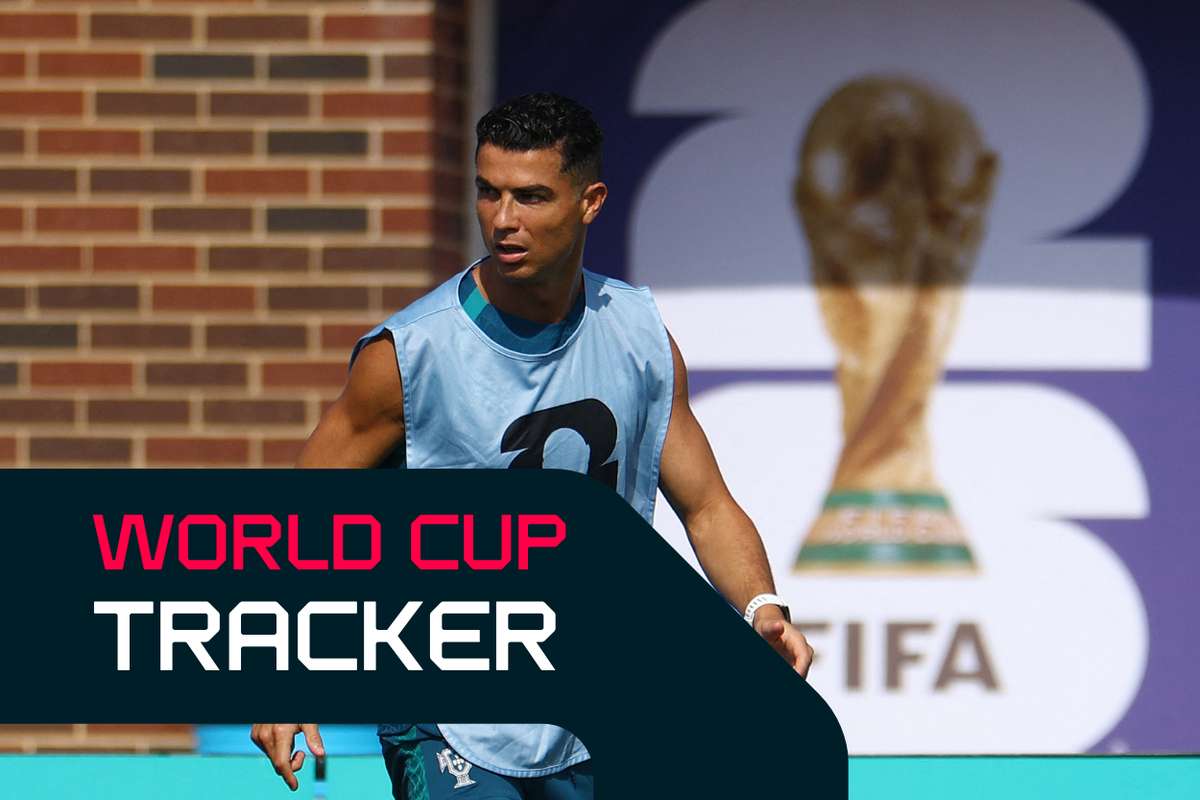
The human layer sharpens the stakes. Lamine Yamal represents the accelerating present for Spain — direct, fearless in one-v-one moments, and already carrying the weight of a generational label. On the other side, Cristiano Ronaldo remains the enduring reference point for Portugal: still decisive in the penalty area, still the emotional anchor of a squad that knows how to raise its level when the spotlight widens.
That contrast — teenage ascent against veteran authority — gives the match a narrative spine beyond rankings. Spain's European championship pedigree adds another layer. They are not merely talented; they arrive with proof that their system holds under the highest pressure. Portugal, meanwhile, have shown they can win without overwhelming shot volume, leaning on efficiency and game management when the margins tighten.
Trend read: if Spain sustain their shot volume and keep Yamal isolated in favorable wide channels, they align with their recent data profile. If Portugal disrupt Spain's build-up early and funnel service toward Ronaldo in the box, they can turn a possession battle into a more vertical contest. Neither path requires a tactical surprise — just execution at tournament intensity.
Overnight: Co-Hosts Test Their Ceiling
Later, at 02:00 CET, USA face Belgium in a fixture that measures two different kinds of progress. The Americans, ranked 16th at 1673.13 points, have treated co-host status as fuel rather than burden. Under Mauricio Pochettino, they have played with the urgency and organization of a side that believes the home crowd can carry them through uncomfortable minutes.
Belgium arrive ninth in the world at 1734.71 points, stable in the rankings but carrying a more complicated tournament story. Their path through the last 32 against Senegal required more fortune than dominance — a reminder that pedigree alone does not guarantee clean passage at this stage. The Red Devils still possess individual quality across the pitch, yet their recent profile suggests vulnerability when opponents refuse to respect reputation.
The tactical contrast is clear. USA's home-tournament energy favors high engagement, quick transitions, and forcing Belgium into reactive defending. Belgium's best route is to slow the game, protect central spaces, and punish any overcommitment with their technical edge in tight areas. Pochettino's side will be favored by atmosphere and form trajectory; Belgium's response will depend on whether they can convert experience into control rather than survival.
What This Day Decides
Taken together, these two fixtures frame the day as a split between established European hierarchy and the co-hosts' attempt to announce themselves on the global stage. Portugal versus Spain should clarify which Iberian power owns the tournament's current momentum. USA versus Belgium will reveal whether home advantage and coaching cohesion can outweigh a higher-ranked opponent that has not always looked convincing.
The data supports the headline match as the more balanced on paper — two top-five sides with comparable possession metrics and proven finishing profiles. The overnight game is less about statistical symmetry and more about psychology: can Belgium reset after a narrow escape, and can the USA maintain the intensity that has defined their World Cup run so far?
By the time both final whistles blow, the bracket picture will feel sharper. One side of Europe will gain separation. One co-host will either validate their rising status or be reminded that tournament depth still punishes inconsistency.