







The 2026 FIFA World Cup's jump to 48 teams has turned squad age into a front-line tactical question: can relentless pressing and recovery speed carry a nation through a longer, more demanding schedule, or does tournament survival still belong to veterans who manage minutes and moments?
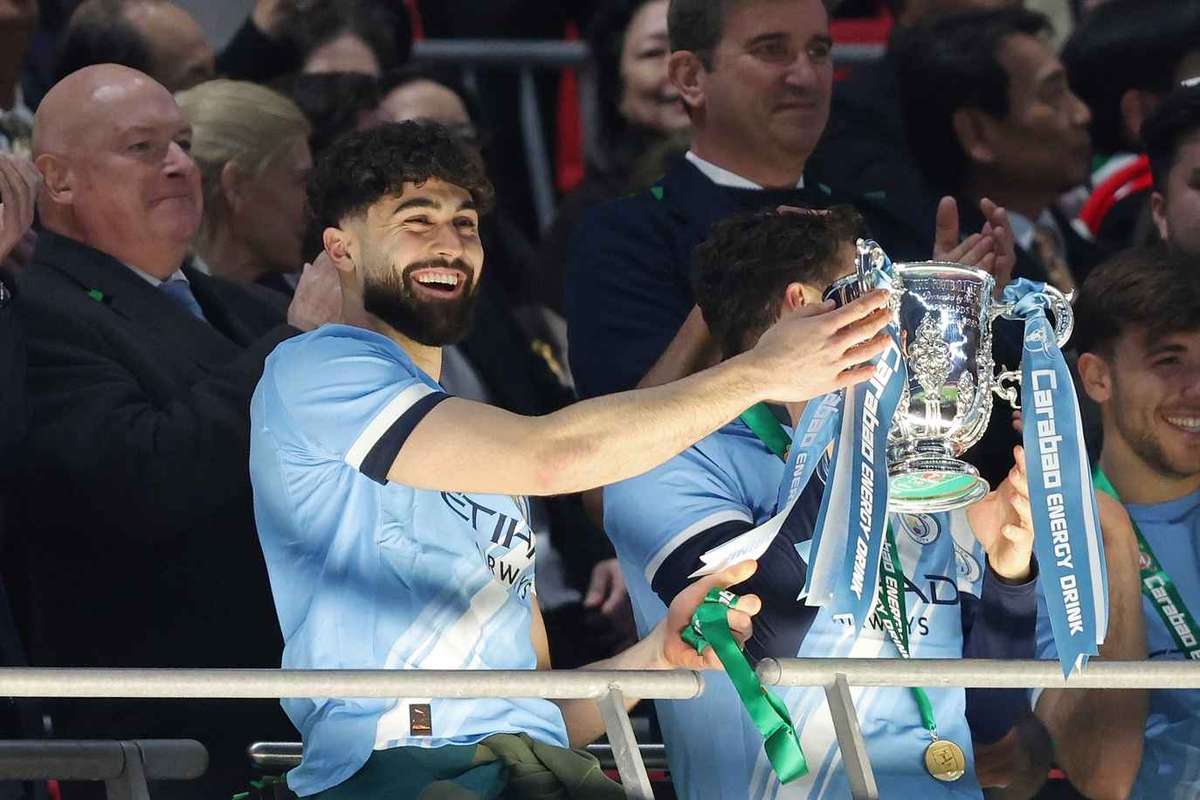
Ivory Coast sits at the youngest end of the spectrum with an average age of 25.35. The Elephants have completed a generational handover, leaning on 19-year-old wing threat Yan Diomande and a roster that includes only four players over 30. Coaches betting on that profile are essentially wagering on pace, adrenaline, and the ability to reset quickly between games.
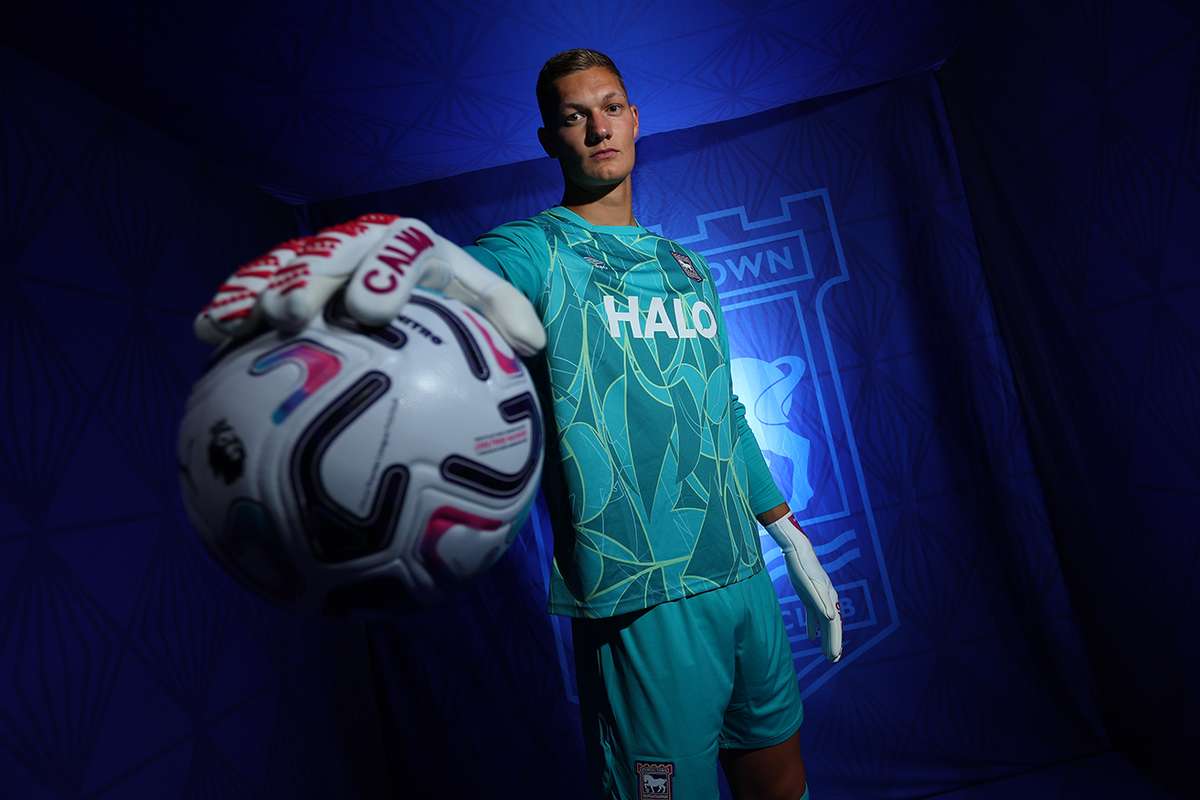
Ecuador follow at 25.58 and rank 23rd in the world at 1594.78 FIFA points, unchanged from the previous cycle. Seven players on the roster are under 23, matching a physical, high-work-rate style that asks constant running from the engine room. Stability in the rankings has not slowed the push toward youth; if anything, it reflects a squad still building around legs rather than reputation.
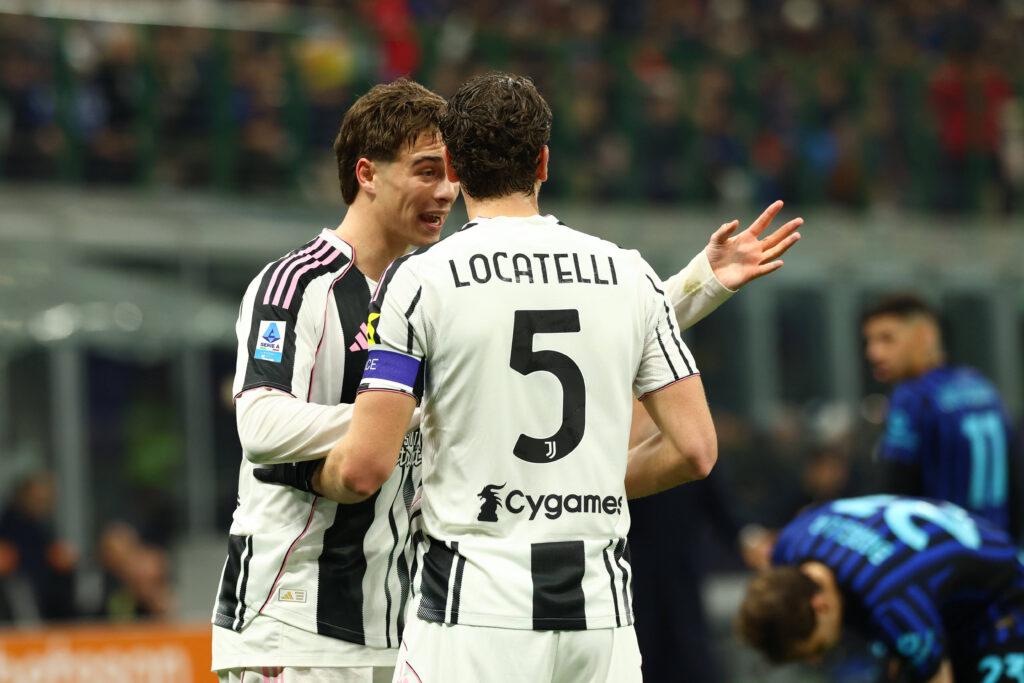
Bosnia and Herzegovina and Morocco share an average age of 25.92, but the stories behind those numbers diverge sharply. Bosnia, up six places to 65th in the FIFA rankings at 1385.84 points, carries six Under-23 players and little of the scar tissue that weighs on repeat World Cup travelers. Edin Dzeko, still in the frame at 40, remains the veteran counterweight — less a passenger than the adult supervision in a room full of players unbothered by history.
Morocco arrive eighth in the world at 1755.87 points after a historic semi-final run at the previous World Cup. Rather than standing pat, the Atlas Lions integrated seven Under-23 players into the lineup, lowering the average age while keeping the transition-heavy identity that made them one of the breakout stories of Qatar 2022.
Across these four squads, the common thread is faith in energy: high pressing, faster recovery, and a willingness to discard traditional hierarchy when a teenager can win a wide duel. The other side of the draw — the tournament's oldest profiles — will test whether that gamble holds when knockout rounds compress rest days and margins shrink to a single mistake.
For Ivory Coast and Ecuador, the immediate test is sustainability: can seven or more sub-23 contributors still press at the same intensity in the third group game? For Bosnia and Morocco, the question is balance — enough youth to run, enough experience to steer when the noise rises. That tension, not the expansion format itself, may decide who survives the summer.