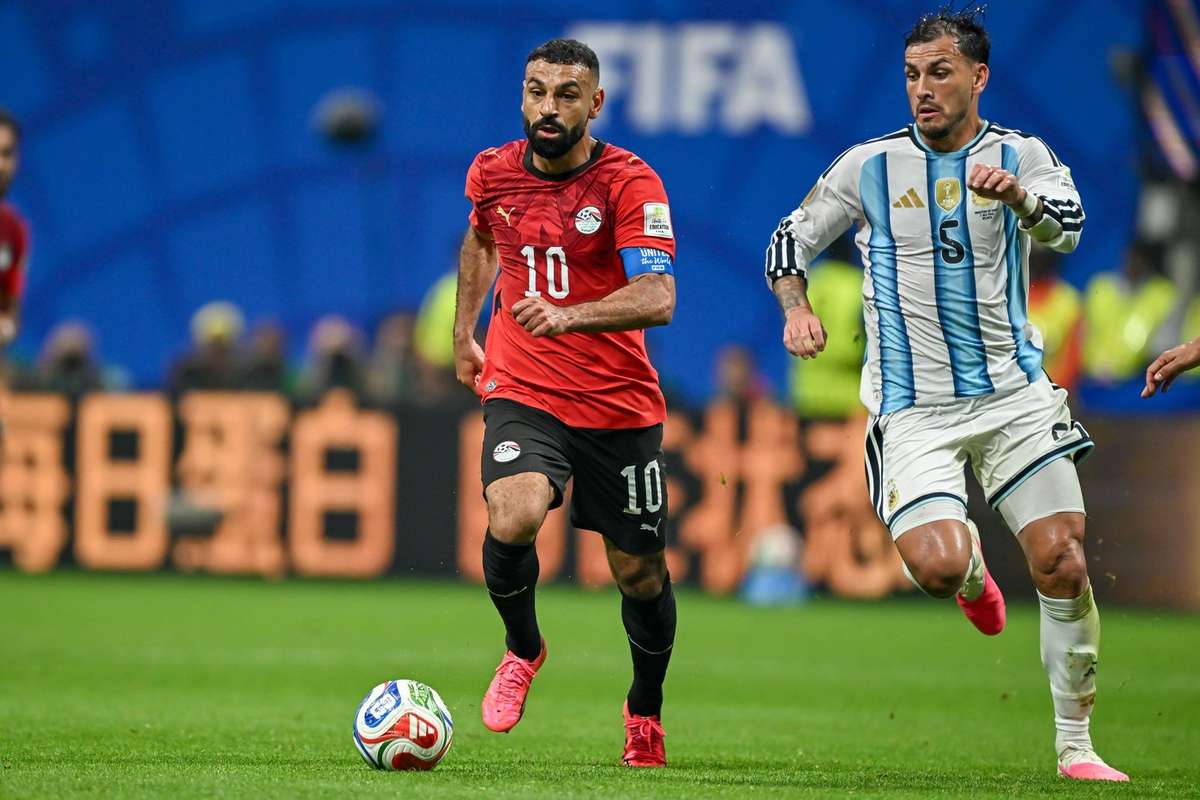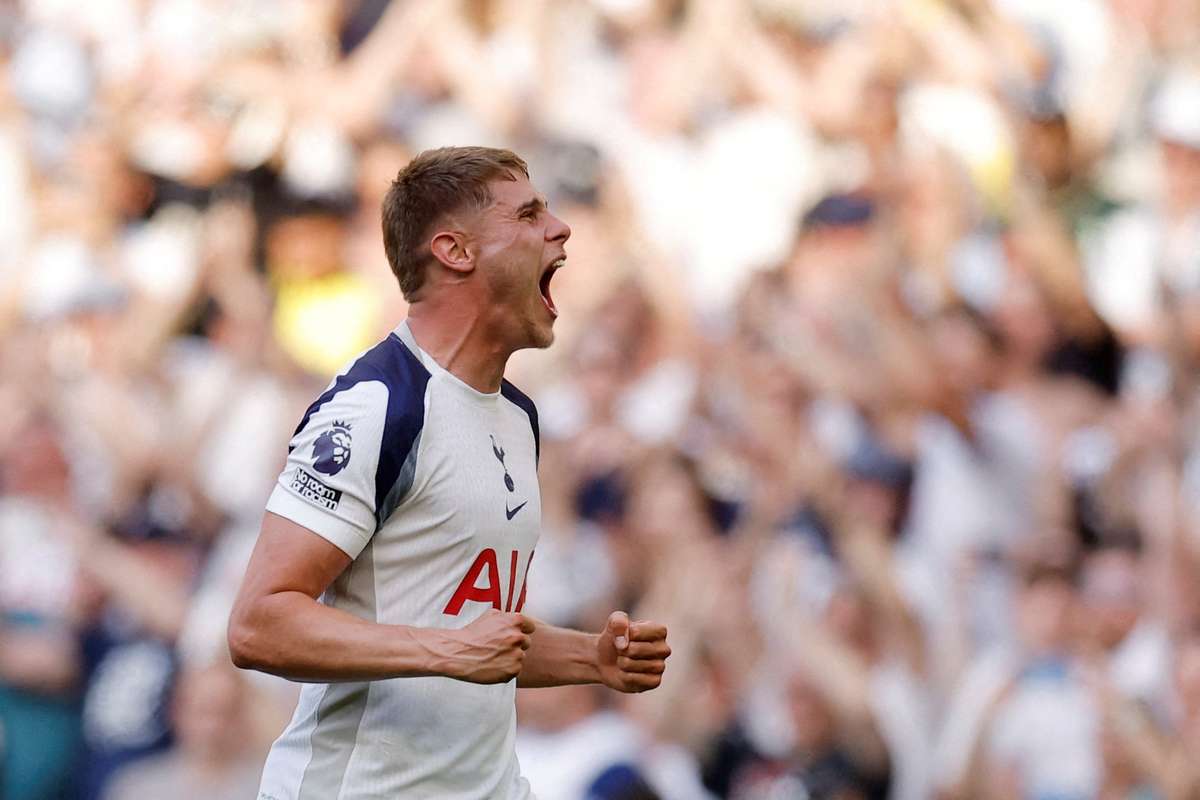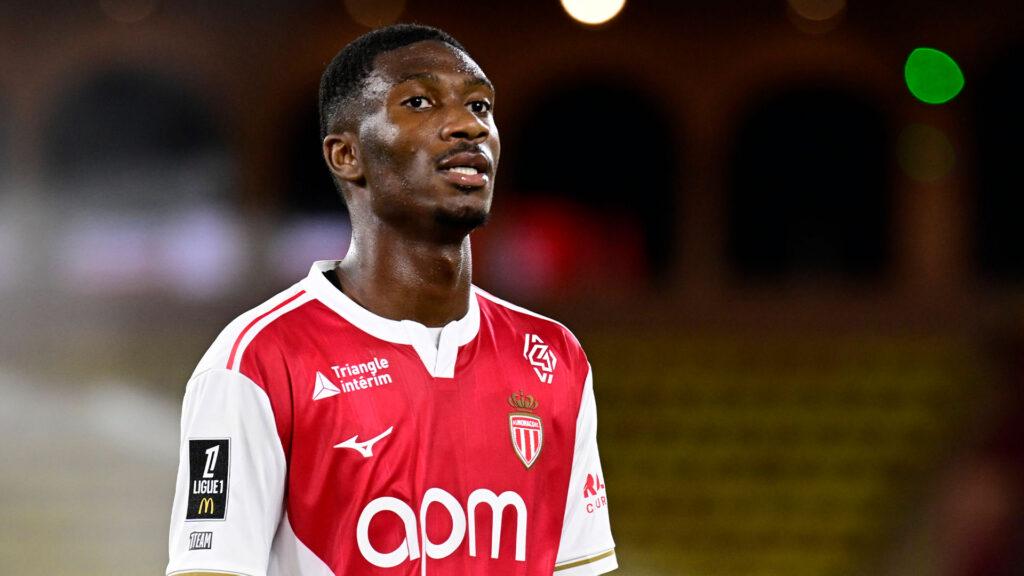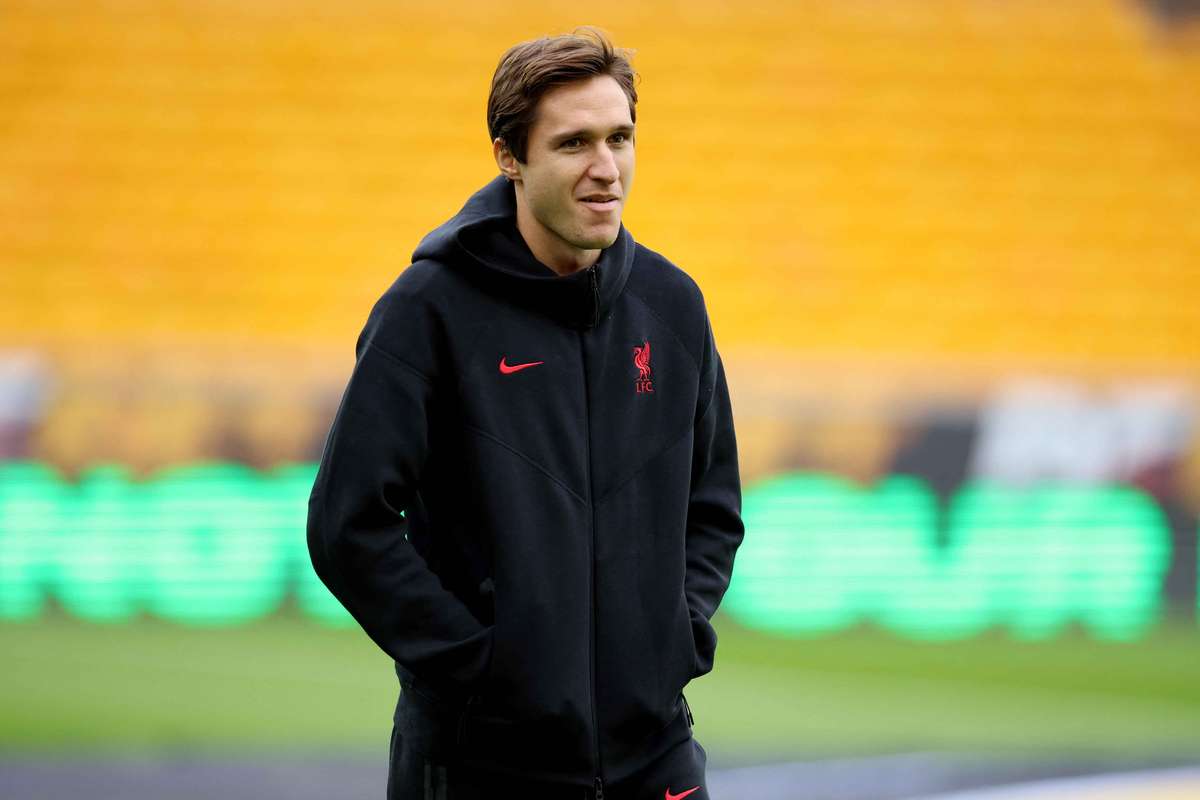





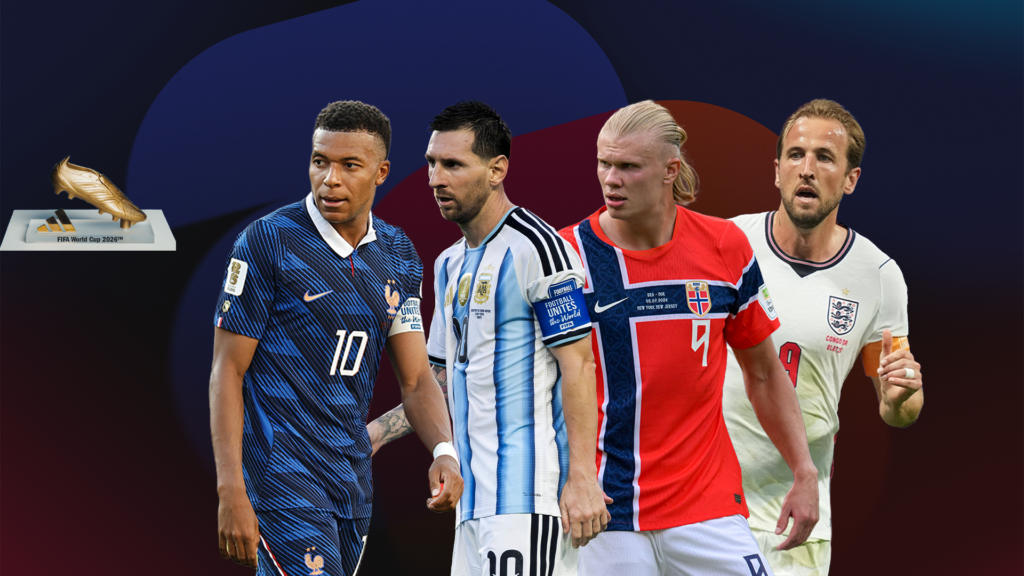
The World Cup 2026 Golden Boot has evolved from a seasonal subplot into one of the tournament's defining commercial and competitive storylines. For the first time in World Cup history, three players have reached seven goals in a single edition before the quarterfinals are complete. Lionel Messi, Erling Haaland, and Kylian Mbappe share that mark. Harry Kane sits one strike behind on six and remains fully in contention.
From an operations standpoint, that clustering is rare. Award races usually thin out once knockout football begins. Instead, the 2026 structure has kept multiple elite scorers on the same pace, which extends audience interest across regions and broadcast windows. The official tie-breaker adds another layer: when goals are level, assists decide the order. Mbappe currently holds the edge with two assists, the most among the leaders.
How the Bracket Shapes the Race
Tournament scheduling is now as important as finishing quality. Three of the four main contenders have completed their Round of 16 assignments. Messi and Argentina still have their last-16 meeting with Egypt ahead, meaning the race could shift again before the quarterfinals even begin.
The bracket has also produced a direct commercial and sporting collision. Haaland and Kane are on course for a quarterfinal showdown, a fixture that would compress the Golden Boot picture into ninety minutes. Small swings in form, minutes managed, or a single extra match for one contender could redraw the entire leaderboard.
Minutes played already tell part of the story. Messi has logged 320 minutes, Haaland 360, Mbappe 441, and Kane 443. With margins this tight, an additional knockout appearance or one late assist could reorder the standings overnight.
France and Mbappe: Leader on the Tie-Break
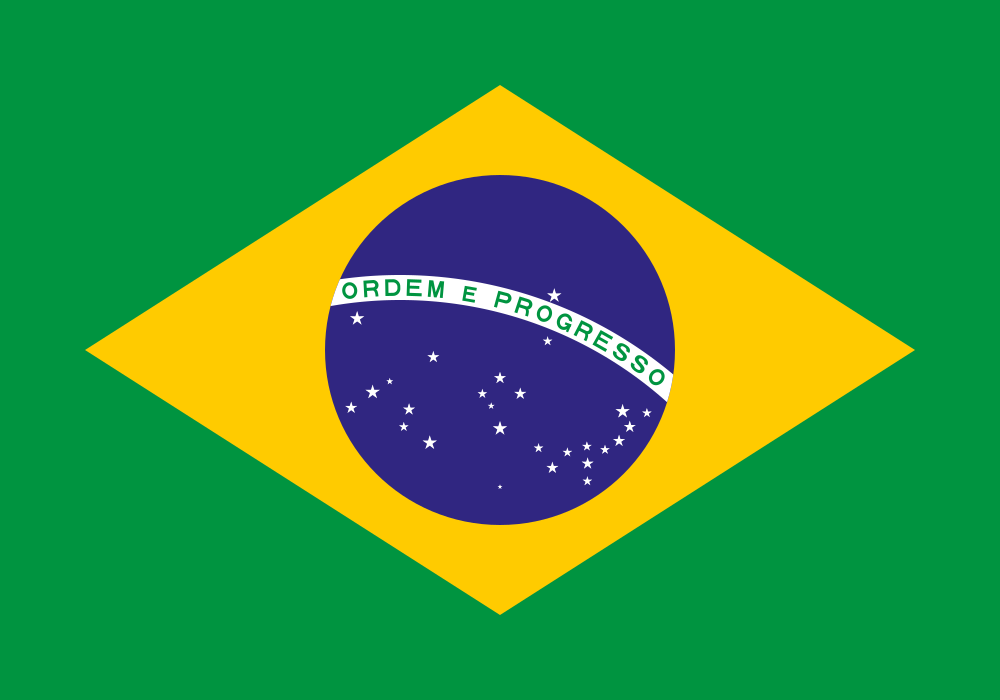
Mbappe enters the next phase as the nominal front-runner, not only because of his seven goals in 441 minutes but because he is the only leader with multiple assists. France, ranked first in the latest FIFA standings with 1877.32 points, continue to build their attack around his pace and direct dribbling. That profile stretches back lines, pulls defenders out of shape, and creates secondary chances for teammates.
The numbers underline his volume. He is scoring roughly every 63 minutes, with an expected-goals figure of 4.05 that reflects sustained presence in dangerous areas. He averages 5.20 shots per game and 7.20 touches in the box per game, converting at 26.9% with four of nine big chances taken. His overall performance rating of 8.40 is driven by end product and steady involvement across knockout minutes.
Defenses began doubling him in the Round of 16, yet he still found ways to influence outcomes. If France progress, his minutes and chance volume should continue to accumulate. Right now he sets the pace the others must match, and the assist column gives him a cushion the others lack.
Messi: Efficiency Before Egypt
Messi presents a different operational profile. He also has seven goals, but from just 320 minutes, scoring roughly every 46 minutes. His expected-goals total of 3.99 shows how clinical he has been relative to the chances created around him. He averages 6.00 shots per game and 5.25 touches in the box, maintaining activity even when space tightens in knockout football.
His conversion rate stands at 29.2%, with two of four big chances taken. His performance rating of 9.18 ranks among the highest in the leader group, reflecting influence that extends beyond raw goal totals. The missing piece in tie-break terms is assists: he has yet to register one in this tournament, which is why Mbappe holds the official edge while goals remain level.
That could change quickly if Argentina unlock runners off Messi's passing in the Egypt fixture and beyond. Argentina, third in the FIFA rankings at 1874.81 points, still have runway to add to his tally while rivals wait on bracket outcomes.
Why Argentina's Remaining Round of 16 Game Matters
Messi playing after the other three contenders finished their last-16 games creates a timing advantage and a pressure point. A strong performance against Egypt would keep him level on goals while potentially adding the assist that closes the tie-break gap. A quiet night would leave him dependent on France slipping or on Haaland and Kane splitting votes in a head-to-head quarterfinal.
Haaland and Kane: A Quarterfinal Crossroads
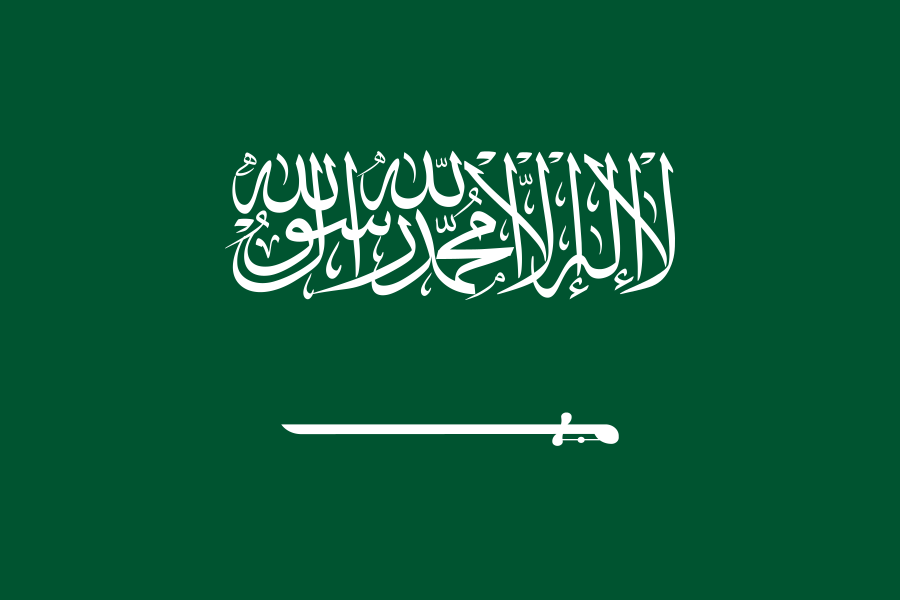
Haaland's seven goals in 360 minutes anchor Norway's unexpected presence in the deep knockout rounds. Norway sit 31st in the FIFA rankings but have shown they can sustain attacking volume in this cycle. Haaland's path now intersects with Kane, who has six goals from 443 minutes for England, fourth in the world at 1825.97 points.
That potential quarterfinal is the most consequential single match for the Golden Boot market. If both score, the race stays crowded. If one delivers a multi-goal performance and the other is contained, the field could narrow to two or even one clear favorite heading into the semifinals.
Kane's minutes load suggests he has been used consistently through the knockout phase, which supports sustained chance creation even when finishes do not always follow. Haaland's slightly lower minute count relative to Kane and Mbappe may matter if Norway's run ends earlier, but his per-minute scoring rate keeps him firmly in the conversation.
Commercial Stakes Beyond the Trophy
Golden Boot races rarely carry this much global overlap. Messi represents legacy and late-career narrative. Mbappe anchors the defending champion's brand. Haaland brings Nordic reach into a traditionally southern European and South American spotlight. Kane carries English expectation into a quarterfinal that could define the award race.
For sponsors, broadcasters, and host-market activations, a four-way chase deep into the knockout stage is ideal. It keeps star names on marquee nights, sustains social engagement across time zones, and gives the tournament a repeatable storyline even as other favorites exit. The assist tie-break, often overlooked in casual coverage, is doing real work here by preventing a simple goal-count deadlock from freezing the narrative.
What to Watch Next
Messi's performance against Egypt is the immediate pivot. After that, the Haaland-Kane quarterfinal becomes the central event for the award. Mbappe can protect his lead if France advance and he continues contributing goals or assists. Kane needs at least one more scoring night and likely help from tie-break math if he is to overtake the current top line.
This is already a historic scoring cluster at a World Cup. Whether it finishes with a shared record, a single runaway winner, or a tie-break decision on assists, the 2026 Golden Boot race has become a case study in how elite talent, bracket design, and knockout minutes combine to produce a record-breaking pursuit.