







There is a particular kind of tension that settles over a host city when a knockout match is still hours away and nobody can say, with certainty, what time it will actually begin. In Mexico City last weekend, that uncertainty was not confined to ticket holders refreshing their phones. It spread through embassies, federation offices, and the ordinary rhythm of a capital preparing for an evening that was supposed to belong to football.
The fixture in question was World Cup last-16 business between England and Mexico at the Azteca Stadium — a meeting freighted with history, noise, and the kind of civic pride that turns whole neighborhoods into open-air viewing rooms. For days, the advertised kickoff had sat in the late-afternoon window, local time, when the city exhales into matchday: street vendors arranging flags, families arguing over where to watch, taxi drivers offering unsolicited tactical previews as if the Three Lions had personally offended them in 1986.
Then word began to circulate that FIFA was weighing a dramatic change: moving the start forward by roughly six hours. Thunderstorms and concerns about fan safety in and around the stadium were cited as reasons to explore an earlier slot, closer to midday, when heat and weather patterns might be easier to manage. To supporters who had built entire travel plans around one fixed hour, the proposal felt less like logistics and more like a small earthquake.
A schedule pulled back from the brink
What followed, according to multiple reports, was a familiar World Cup pattern — late consideration, opaque messaging, and a final retreat. FIFA ultimately stepped back from the plan, but not before the football federations of both nations were left without clear guidance at a moment when clarity is everything. Hotels, flights, police deployments, broadcast windows, and the simple question of when a child in Coyoacán should leave for the ground all depend on a time that cannot keep shifting.
Into that vacuum stepped political figures on both sides of the Atlantic. Subsequent reporting suggested the English Football Association sought assistance from Downing Street amid the uncertainty, and that Prime Minister Keir Starmer intervened through diplomatic channels to help prevent a last-minute change. From London’s perspective, the argument was straightforward: a six-hour swing with little notice would strand supporters, disrupt preparation, and treat a global sporting appointment as if it were a weather bulletin that could be rewritten overnight.
From across the ocean, the response arrived in sharper, more accusatory terms.
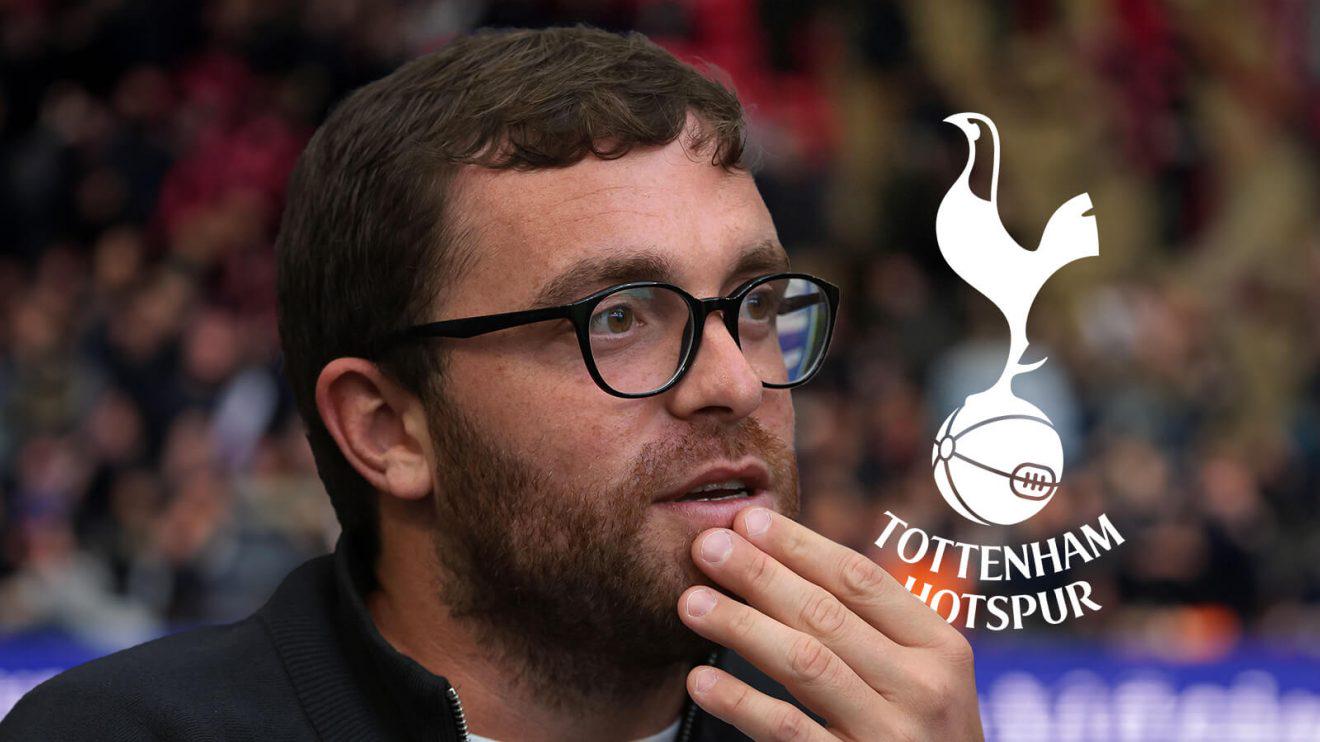
Andrew Giuliani, executive director of the White House Task Force on the World Cup, redirected criticism away from U.S. involvement in other tournament controversies and toward Starmer’s role in the scheduling dispute. Speaking to broadcast media, Giuliani argued that blocking the earlier kickoff carried consequences far beyond inconvenience.
“I would go and point to something I think is a much graver decision that was made just a couple days ago,” Giuliani said, referring to Starmer’s intervention. “Keir Starmer’s intervention through diplomatic channels of not allowing the Mexico-England match time to be moved.”
He then linked the timing debate to a tragedy that had already shaken the host nation. After an earlier round-of-32 fixture, three Mexican supporters died amid post-match celebrations — a sobering reminder that World Cup nights in this country do not end when the referee blows for full time. Giuliani suggested that moving England’s meeting with Mexico from an evening slot toward noon might have reduced exposure to risks tied to late-night gatherings and volatile weather.
“That’s far graver when you actually think about the consequences, the potential consequences, than anything that happens on the pitch right there,” he added, framing heads-of-state involvement as precedent rather than exception.
The view from the stands — and from the street
For anyone who has stood outside a stadium while kickoff times drift in rumor and counter-rumor, the argument is painfullyedes on a timetable everyone trusts until they cannot.
Shift that same match to midday on short notice and the city does not merely “adjust.” Workers scramble for leave. Older supporters reconsider whether the heat and the climb to their seats are manageable. Away fans who booked return connections for the following morning find their itineraries turned into guesswork. The football may remain ninety minutes; the life around it stretches across days.
That is why federation officials on both sides reportedly resisted a change imposed at the eleventh hour, even when safety concerns were sincerely raised. Storm protocols matter. So does the credibility of a competition that asks the world to rearrange its life around a published schedule.
Downing Street has since sought to clarify Starmer’s role, stating in a public response that the Prime Minister was supportive of arrangements that protected supporters while avoiding disruptive last-minute upheaval. The wording stopped short of claiming credit for FIFA’s final decision, but it confirmed that the kickoff dispute had crossed from sporting administration into diplomatic conversation — a boundary this tournament has tested repeatedly.
A tournament already living inside politics
The Mexico-England timing row did not unfold in isolation. The broader World Cup atmosphere has been marked by high-profile interventions that blurred the line between governance and spectacle. U.S. officials had already faced scrutiny over President Donald Trump’s reported influence in FIFA president Gianni Infantino’s decision to suspend a red card for England forward Folarin Balogun, allowing him to face Belgium in the knockout phase. Critics argued that competitive integrity was being negotiated through political channels; defenders insisted host-nation responsibility included keeping the show on the road.
Giuliani’s comments appeared to borrow from that same rhetorical playbook — deflect attention from one controversy by elevating another. Whether or not one accepts the equivalence he drew between a disciplinary appeal and a kickoff time, the exchange underscored a uncomfortable truth for supporters: the bracket on their wall and the headlines on their phones are increasingly shaped by conversations they will never be invited to join.
On the pitch, England arrive as one of the tournament’s established forces — FIFA’s fourth-ranked nation, fresh from a demanding group phase that included a 3-0 win built on efficiency rather than domination, with 33% possession and six shots in that victory. Mexico, ranked fifteenth and climbing, carry the heavier emotional ledger of a host-adjacent nation whose supporters treat every knockout minute as communal property. Belgium, waiting in the wider path, sit ninth in the world rankings and represent the kind of elite obstacle that makes squad availability — including who is eligible to play — a matter of national anxiety.
None of that tactical context disappears when diplomats pick up the phone. If anything, it intensifies the stakes. A moved kickoff can alter recovery time, travel, and the psychological footing of squads that have spent weeks treating one hour as sacred.
What supporters are left holding
In the end, FIFA’s reversal preserved the original evening appointment, and the Azteca prepared for the collision everyone had circled on their calendars. Yet the argument over who acted responsibly — those pressing for an earlier, safer start, or those blocking a late change to protect planning and fairness — will linger longer than the pre-match smoke from the concourses.
For fans, the lesson is not abstract. World Cups are sold as shared rituals: anthems, flags, the first whistle. When scheduling becomes a diplomatic incident, the ritual fractures. Supporters in Mexico City were asked to think about thunderstorms and tragedy in the same breath as kickoff times. English travelers were asked to trust that someone in a distant office would not move their match while they were already in the air.
Football has always been political. This tournament has simply stopped pretending otherwise. The Mexico-England fixture went ahead on the clock the public was promised, but the dispute around it revealed something colder — that in 2026, the hour a match begins can be debated as a matter of life, governance, and blame, while the people who fill the seats are expected to adapt without complaint.
On the walk up to the stadium, that expectation feels especially heavy. The city hums with anticipation, as it always does before a big night. Only now, everyone knows the schedule is not just sport. It is policy. And policy, as every supporter learned last weekend, can change with the weather.