













The lights still feel too bright when you replay it.
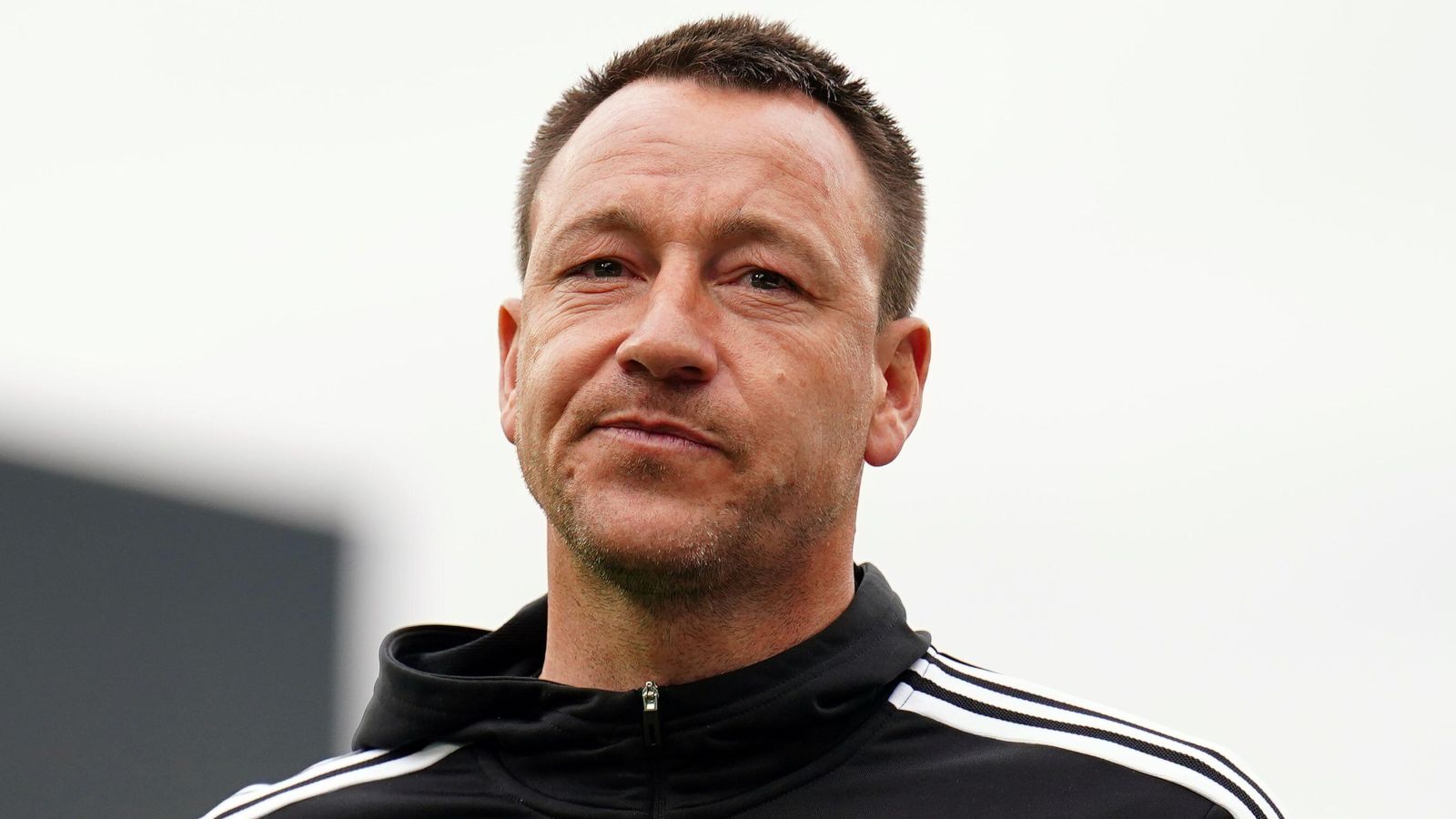
England walked off the pitch with ten men and a 3-2 win over Mexico, a result that did not look possible when the numbers turned red and the game stretched into those long, breathless minutes where every clearance feels like a coin flip. John Terry watched it the way a defender watches danger — not for the scoreboard alone, but for the posture of the players, the way bodies held their shape when the easy option was to shrink.
He called it enormous. In a career built on reading pressure, Terry placed it beside the 5-1 against Germany in his mind, not as a statistical comparison but as a feeling — the rare night when a team stops asking for permission and starts imposing itself. "Seeing that in the knockout stages, we've been calling for players to stand up and be counted," he said. "They were standing up last night and they were there to be counted. I thought it was an unbelievable performance."
That image matters because the next frame is already loading. England do not get to rest inside the glow of one heroic night. The World Cup quarter-finals wait for no one, and on the other side of the bracket stands Norway, fresh from a 2-1 win over Brazil that carried its own shockwave through the tournament.
The Quarter-Final Frame
On paper, Terry concedes, this is not the same weight class as Mexico. "Norway are a good side," he said. "I think they're well drilled." But drill and danger are not opposites in knockout football. A well-drilled team with two elite focal points can look calm right up until the moment the picture breaks.
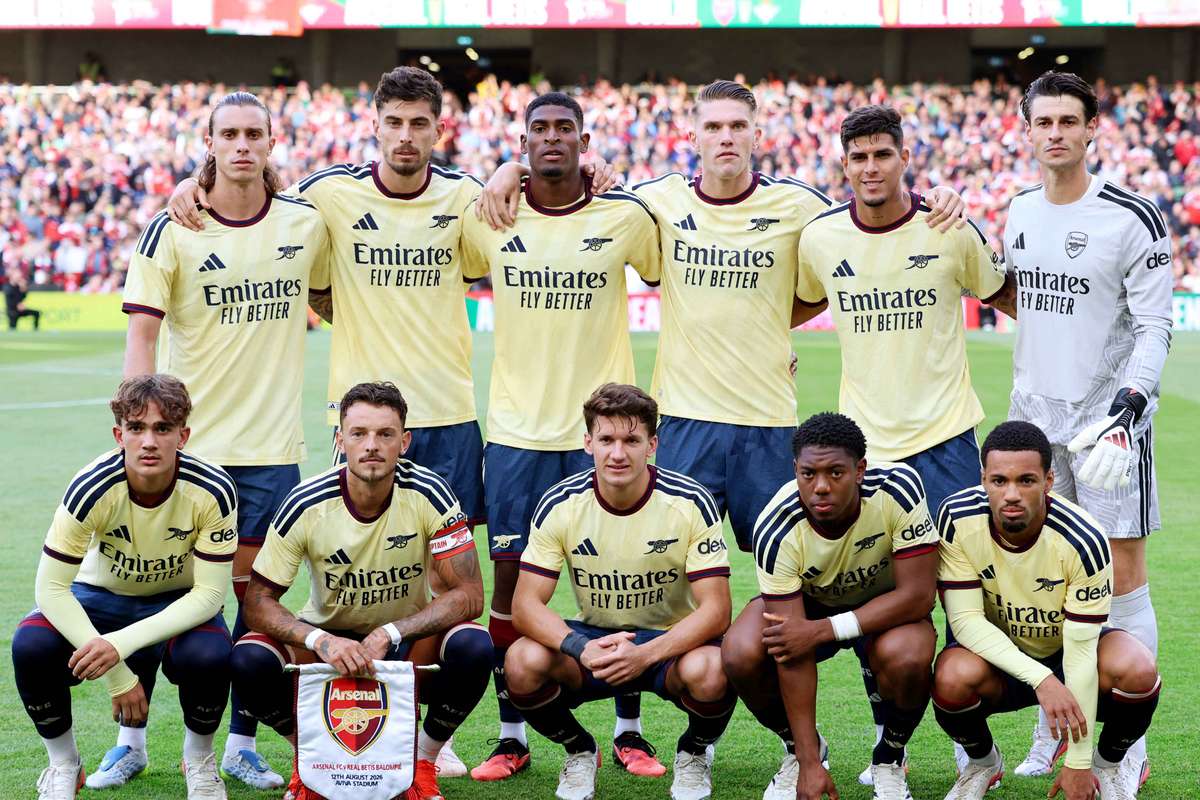
For Terry, that picture has a clear center. "Everything that goes well through that team goes through Martin Odegaard," he said, naming the Arsenal playmaker as the conductor rather than a supporting voice. Odegaard does not always announce himself with speed. He arrives through rhythm — the half-turn, the pass that lands on the correct foot, the pause that pulls a defensive line one step out of alignment. Stop that flow, Terry argued, and you stop Norway from becoming the version of themselves that beat Brazil.
Then there is the second threat, the one that changes the geometry of the screen.
Haaland in the Blind Spot
Erling Haaland does not need the ball to rewrite a defender's night. Terry described the problem in motion: "It's difficult because he can just run in behind you. He's so powerful and so quick so you always have to be aware of that."
What makes Haaland especially unsettling in this setting is how he manages the frame. Terry noticed something subtle — a striker who sometimes looks like he is conserving energy, not chasing every channel, content to hold the ball and let the game come to him. "It feels like he's kind of saving his energy in the games," Terry said. "He's not making runs in behind, his hold-up play is very good."
That restraint creates a trap. Defenders trained to react to constant movement can be lulled into watching the ball on the wing, and that is when Haaland appears in the blind spot. "As soon as that ball goes wide as a defender, you cannot be too focused on the ball because Haaland is behind me," Terry explained. "As soon as that ball goes wide, I need to take myself out of the equation, take Haaland out of the equation."
It is classic central-defender language — not about hero tackles, but about removing the striker from the shot before the shot exists. Terry asked the obvious follow-up: who else is in the box? "One or two others but they're not as big a threat as Haaland," he said, "so whoever is marking Haaland in that moment has to win that duel."
The Manchester City forward has built his reputation on winning those duels at the exact second a cross leaves the foot.
What England Must Carry Forward
Confidence, Terry suggested, should travel with England into the quarter-final, but confidence without structure is just noise. The Mexico win proved they can survive when the plan fractures. Norway will test whether they can control a game when the plan holds.
Terry's verdict was blunt: "If England stop him and Erling Haaland then we have a big, big chance." Not a guarantee — knockout football rarely offers those — but a clear instruction. Shut down Odegaard's orchestration. Deny Haaland the half-second that turns a wide ball into a finish.
The knockout stage is where reputations become visible. Terry has seen both sides of that lens — nights when everything collapses and nights when a team looks taller than its circumstances. England's last image was one of the latter. The next one will depend on whether they can apply that same defensive discipline against two players who know exactly how to bend a quarter-final out of shape.
The camera will find Haaland first. It always does. But Terry's message was that the game may be decided earlier, in the quieter seconds before the pass — when someone has to decide whether Odegaard gets to paint the picture at all.