













If you are planning your World Cup viewing around Spain's knockout run in North America, the headline numbers only tell part of the story. The campaign opened with a jarring 0-0 draw against Cape Verde, a result that caught many observers off guard among the pre-tournament favorites. What followed looked more like the Spain many expected: a 4-0 win over Saudi Arabia, a tight 1-0 victory against Uruguay, and group-top status secured before a last-32 statement—a 3-0 defeat of a stubborn Austria side that struggled to match Spain's control for long stretches.
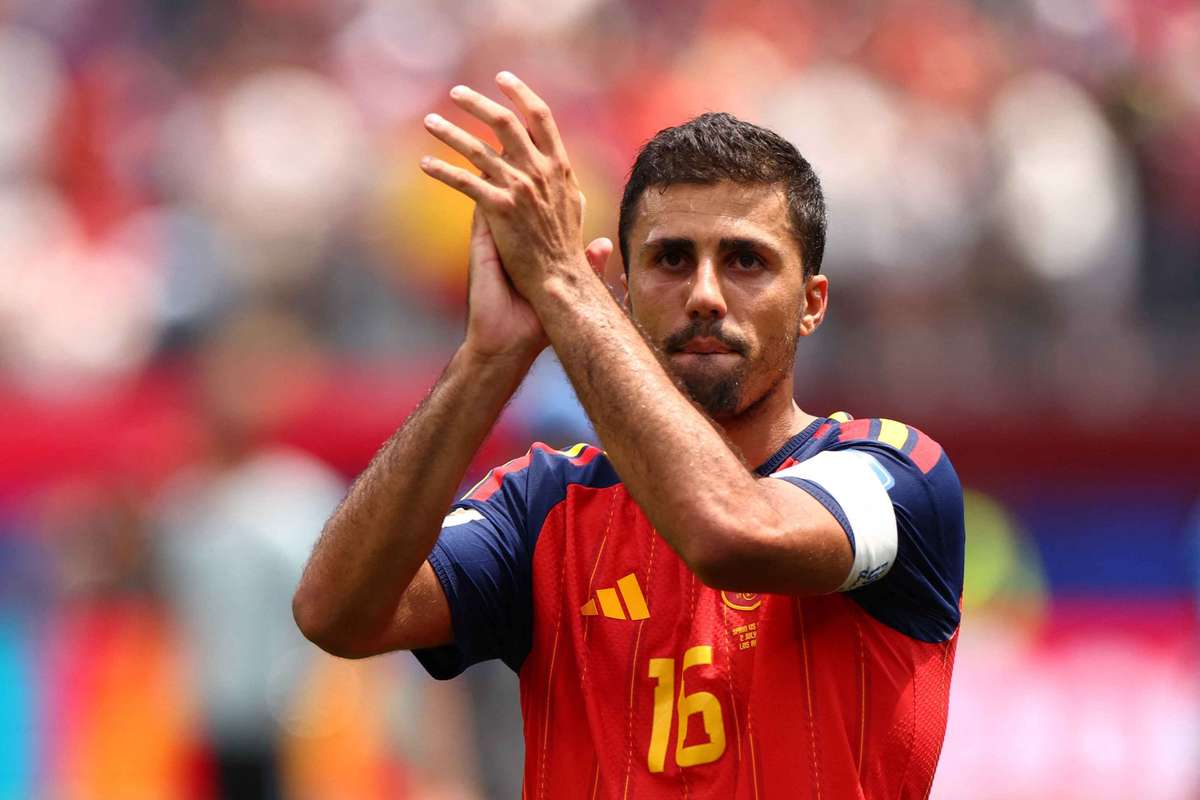
That sequence matters because it captures the exact rhythm Rodri described on Sunday. The Manchester City midfielder, speaking ahead of Spain's last-16 meeting with Portugal in Texas, said the team's evolution at the tournament has been gradual. In his view, that is normal when every early fixture brings a new pitch, a new climate, and a different opponent profile. Adaptation rarely arrives in one clean jump, especially across a World Cup spread across unfamiliar venues.
For fans tracking how a favorite actually builds momentum, Spain's response to the Cape Verde stalemate is the first practical checkpoint. Rodri stressed that the squad did not lose its heads and stayed calm. In a short group stage where panic can waste energy, that steadiness helped Spain convert three wins into top spot and carry confidence into the knockout round.
The second checkpoint came against Austria. Spain's 3-0 win was the clearest on-field proof that the group-stage wobble was not a trend. Rodri called that display just the start, not the peak. He still sees a big gap for improvement, which is the kind of message that lands differently before a last-16 tie against Cristiano Ronaldo's Portugal. Portugal enter ranked fifth in the world on recent FIFA data, while Spain sit second, yet knockout football has a habit of flattening those gaps when one moment decides everything.
From a match-day perspective, the Texas fixture sets up a familiar contrast. Spain should continue leaning on structured possession and midfield control, with Rodri anchoring the base. Portugal will test that patience with direct phases and set-piece threat, leaning on experience at the sharp end through Ronaldo. If Rodri is right that Spain's biggest steps are still ahead, this is the first stage where that claim gets examined under maximum pressure.
Rodri, 30, has become the steady voice in Spain's camp whenever the conversation turns from results to process. His Sunday remarks echoed that role. He told reporters that Spain have been growing in a gradual way, always knowing that the bigger tests were coming. With Portugal now standing in the way, that timing note feels less like media talk and more like a service bulletin for anyone mapping the knockout bracket.
For viewers and traveling supporters, the practical takeaway is straightforward. Spain have already shown they can absorb a surprise and answer with controlled performances. They have shown they can raise the level against organized opposition in the last 32. They have a vocal leader in midfield who believes the team is still ascending, not peaking. The Portugal test will decide whether that gradual climb turns into genuine championship form—or whether Spain's improvement curve finally meets its hardest opponent yet.