















Kjetil Rekdal still remembers the silence before the whistle, the kind that only arrives when an entire nation believes something impossible might actually happen. Nearly three decades after he converted an 89th-minute penalty at the Stade Velodrome to beat Brazil and send Norway into the 1998 World Cup knockout stage, the former midfielder has become the voice of a familiar argument: on paper this is a mismatch, but history and psychology may not agree.
As Norway prepare for Sunday's meeting with the five-time champions, Rekdal's message is blunt. Brazil carry the greater burden. Norway's long-awaited return to the knockout rounds has already validated years of work; for Brazil, anything short of victory would land as a national disappointment.
When Marseille Still Echoes
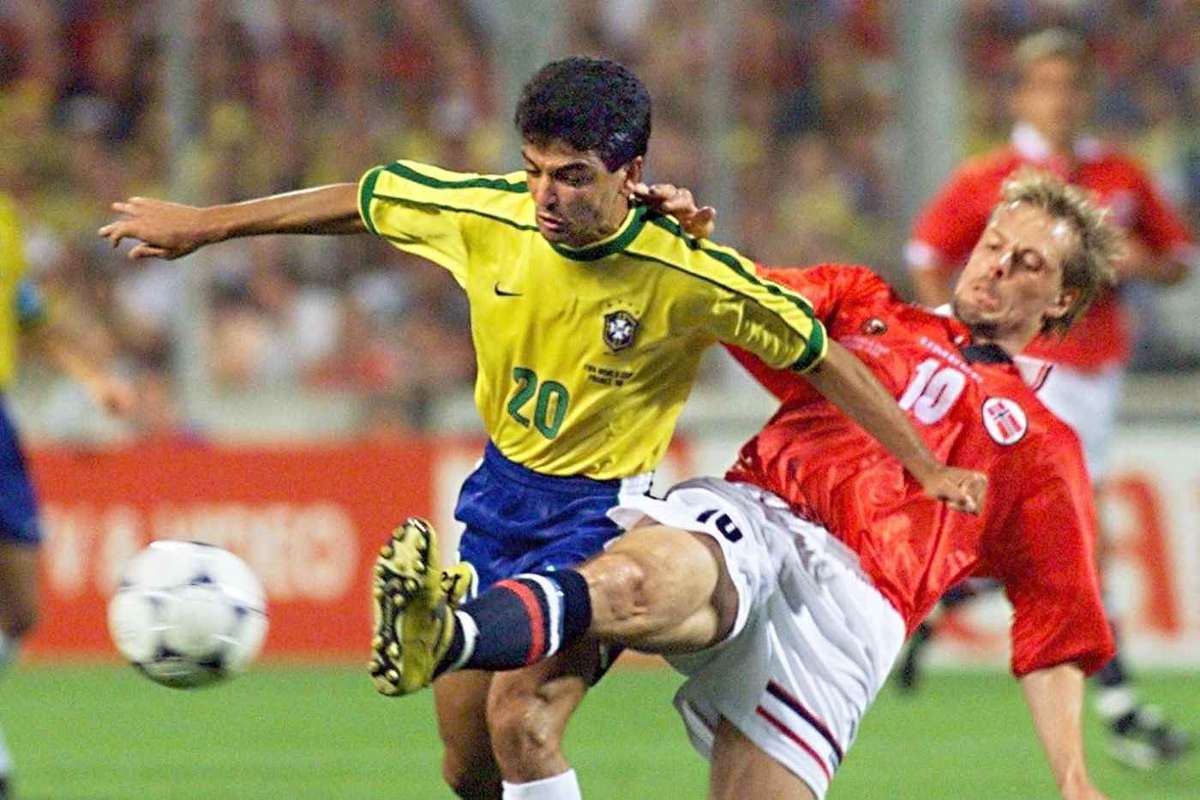
The reference point remains fixed in Norwegian sporting memory. Brazil had already secured qualification when the two sides met in Marseille. Norway needed a result, and Rekdal delivered under maximum tension, rolling a penalty past the goalkeeper to complete a 2-1 win that felt less like a routine group-stage match and more like a statement of identity.
That night did not merely produce a famous scoreline. It created a statistical oddity that still frames Sunday's fixture: Brazil have faced Norway four times across their shared history and have never beaten them. Rekdal believes that record lingers in the minds of opponents who otherwise expect to dominate every stage they enter.
"That fear will always be there," he said. "The dread that they are going to slip up against Norway once again."
It is a provocative claim, but not an empty one. Upsets live in memory precisely because they rewrite expectations. For a Brazilian squad accustomed to being measured against titles rather than survival, the idea of another stumble against the same opponent carries a weight that raw rankings cannot capture.
The Weight Falls on Brazil
Rekdal's framing inverts the usual knockout narrative. The team sitting 25 places above Norway in the current FIFA rankings is not the one he identifies as exposed. Brazil enter the match ranked sixth in the world with a squad built for control and conversion, yet the emotional economics of the tie tilt differently.
Norway, ranked 31st, arrive having ended a 26-year wait to reach this stage of the tournament. Their threshold for success has already shifted. Progress itself is the achievement; another step forward would be a bonus layered on top of years of rebuilding.
Brazil face the opposite arithmetic. A nation that treats the World Cup as a standard rather than a dream cannot comfortably frame a last-16 exit against a lower-ranked European side as anything other than failure. Rekdal's argument, then, is not that Norway should feel free from pressure, but that the pressure worth naming is asymmetric. One team is playing to preserve reputation on the sport's largest stage. The other is playing with nothing to lose and everything to gain.
That distinction matters in knockout football, where hesitation often arrives before talent does.
A Generation Built at the Summit
If Rekdal represents the emotional archive of 1998, the current Norway squad represents a different kind of evidence. The generation led by Erling Haaland, Martin Odegaard and Antonio Nusa was not raised on replays of Marseille. For them, 1998 is history rather than baggage.
"I don't think Haaland and Odegaard are thinking about Norway beating Brazil in '98," Rekdal said. "They do not need the ghosts of the past to believe they are equal to the five-time world champions; their everyday reality at the absolute summit of European club football has already taught them that."
The observation cuts to the heart of how this Norway side differs from the one Rekdal helped send through in France. Haaland has become one of the most feared forwards in the global game. Odegaard's creativity gives Norway a conductor capable of controlling tempo against elite opposition. Nusa's pace offers a direct threat that moves the attack away from the disciplined, counter-focused identity of older Norwegian teams.
Rekdal is clear that this group is stronger than the side that reached the last 16 twenty-eight years ago. That is not nostalgia speaking. It is a comparison drawn by someone who understands both eras from the inside.
The Infrastructure Behind the Upset Talk
What makes Rekdal's optimism more than a romantic replay of 1998 is the structural story behind the players. Norway's progress, he argued, is not simply the product of a gifted crop arriving at once. It reflects long-term investment across the country's football system.
"A lot of good work has been done in Norwegian football for many years now, with systematic training, academies popping up, better coaches and steering players at an earlier age," he said. "The work being done is very solid, and the good players are signed by foreign clubs quite early, so they take that next step when they are ready."
That pathway explains why Norway can now field a core accustomed to weekly pressure in the Champions League rather than a squad surprised to be on the World Cup stage. The national team benefits when its best players spend their formative professional years testing themselves against the world's strongest clubs. By the time they reunite in national colors, the gap in competitive habit is narrower than the ranking table suggests.
Recent tournament data reinforces the idea that Norway can compete beyond expectations. In World Cup action this cycle, they have shown capacity to win tight matches, including a 2-0 victory with nine attempts on goal and 53 percent possession in one outing. Brazil, meanwhile, have demonstrated the control profile expected of a favorite, winning with 19 shots and 69 percent possession in a group-stage performance that underscored their attacking volume.
The contrast is familiar: Brazil's machinery is built to suffocate opponents over ninety minutes; Norway's best route may still be to make the game uncomfortable early and trust that their front line can punish moments of imbalance.
Rankings, Reality, and the Path Forward
Rekdal does not pretend Norway should enter as favorites. Brazil remain Brazil, a team whose World Cup pedigree remains the benchmark against which every other nation is judged. Favorites exist for reasons that extend beyond psychology, and Brazil's technical resources on the ball remain formidable.
Yet favorites have lost before, and Norway have already proven they can live inside those moments without shrinking. The winless head-to-head record against Brazil is one piece of that puzzle. The current generation's club-level pedigree is another. The third is the asymmetry of expectation that Rekdal keeps returning to.
Sunday will not be decided by what happened in Marseille in 1998. It will be decided by whether Norway's modern attack can convert the chances their system has been built to create, and whether Brazil can silence a doubt that Rekdal insists never fully disappears.
For Norway, the opportunity is clear: add another chapter to a rivalry that has always favored them on the scoreboard. For Brazil, the task is equally clear and far less forgiving. Win, and the old record becomes background noise. Lose, and Rekdal's prediction will look less like provocation and more like prophecy repeated.