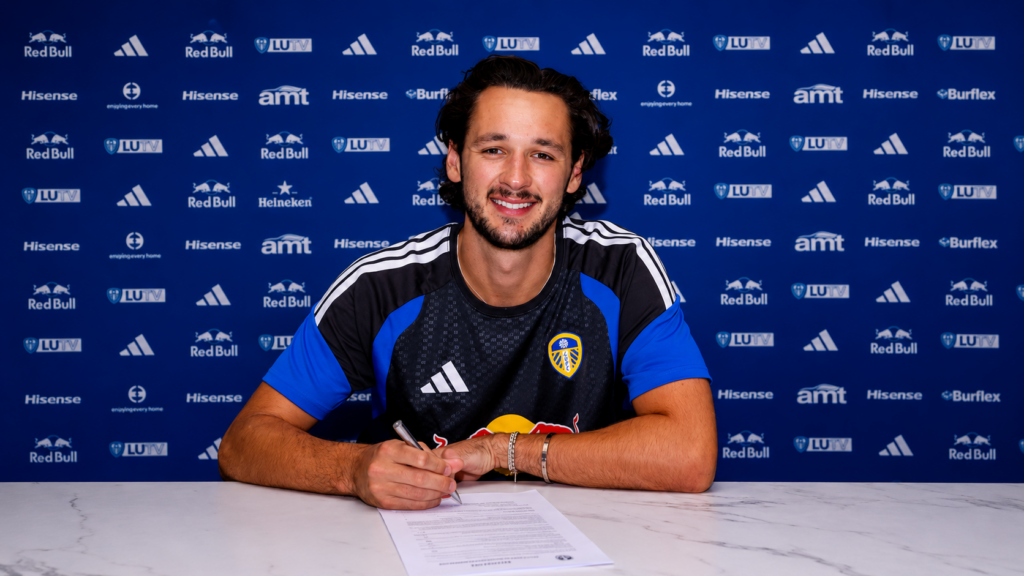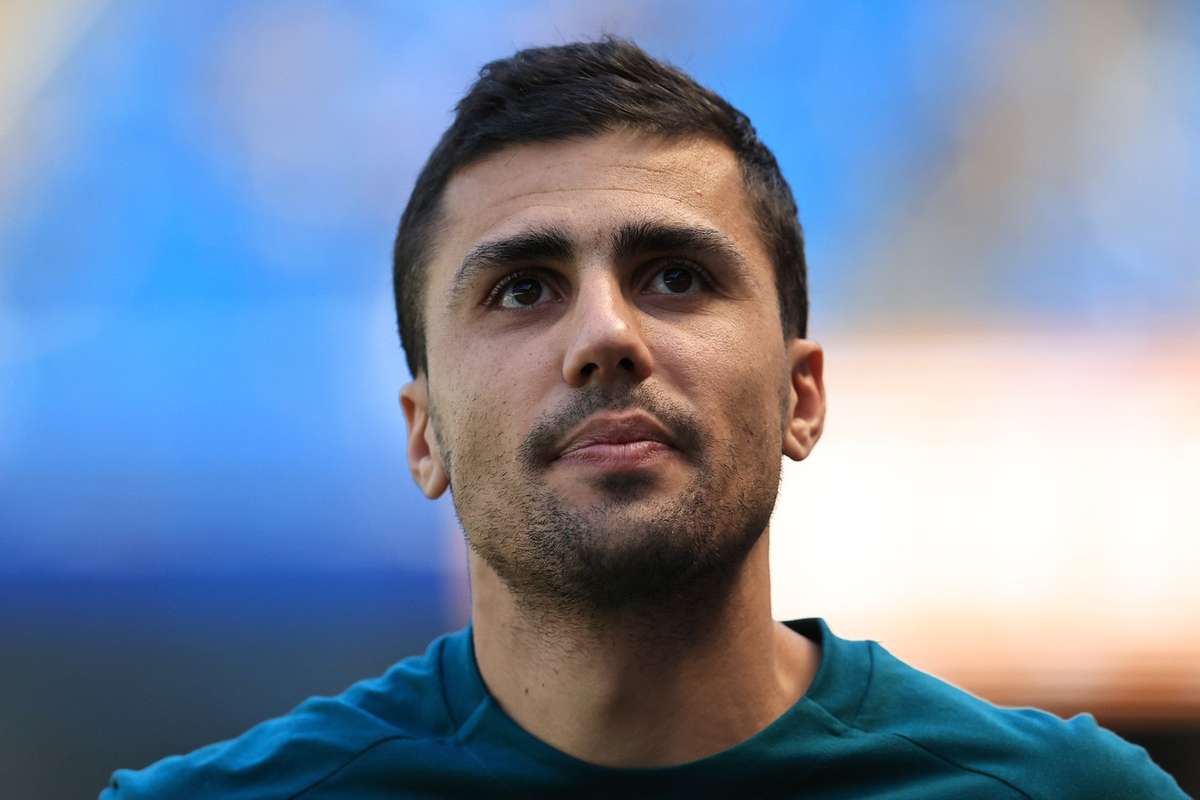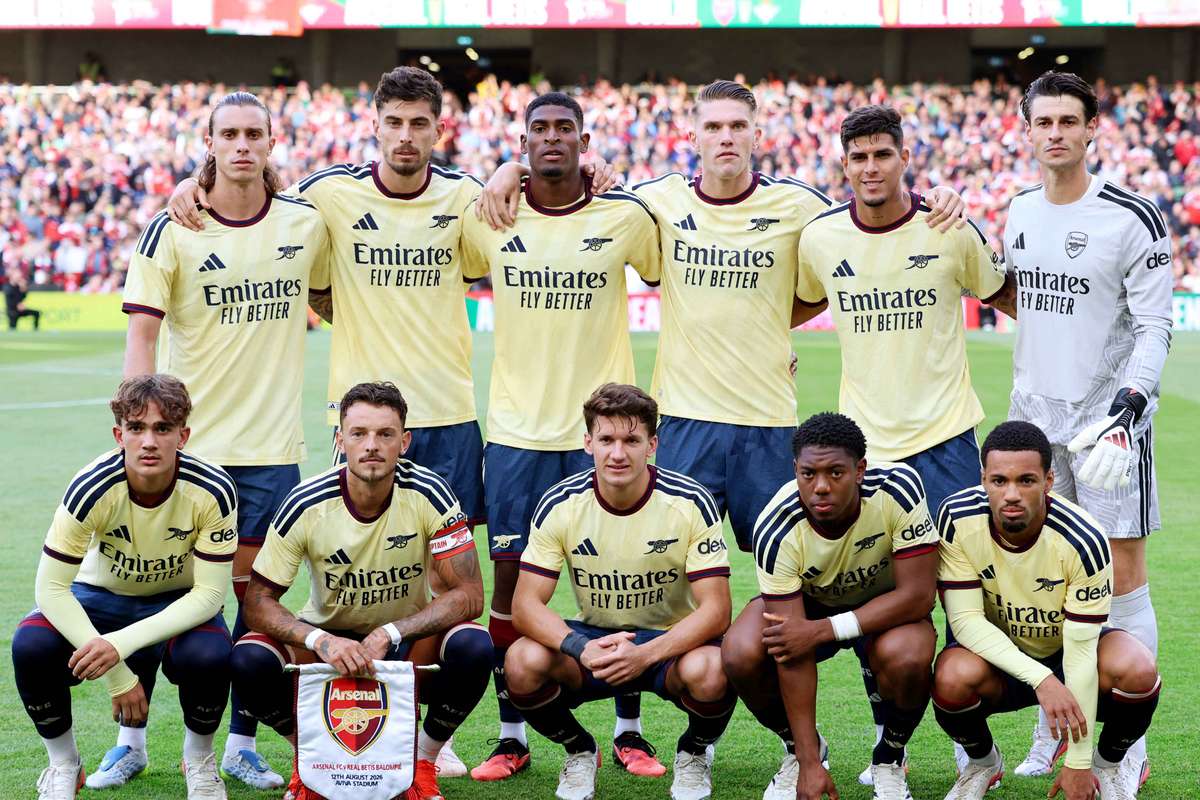


















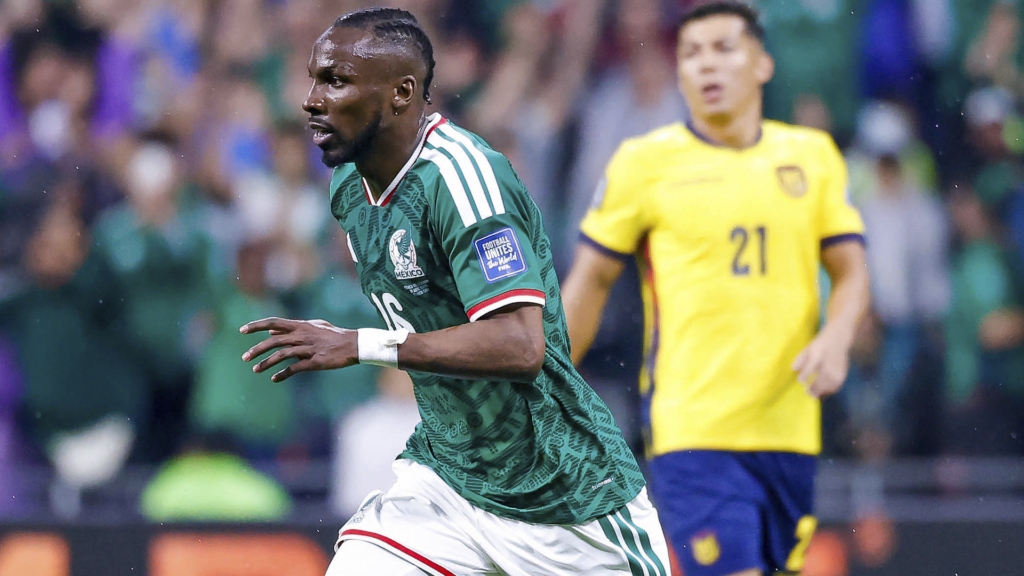
The lights over Estadio Azteca caught Julián Quiñones mid-stride, and for eighty minutes on Tuesday the frame never really shifted. Julián Quiñones moved through Ecuador's back line like a striker who had already seen the replay — one clean finish, one weighted pass, and a night that belonged to Mexico in a 2-0 Round of 32 win at the World Cup 2026.
Eighty thousand eight hundred twenty-four fans packed the bowl as referee Slavko Vinčić kept the tempo honest. The damage came early. Mexico did not need a long siege; they needed sharp transitions and a forward who could convert pressure into numbers. Quiñones supplied both.
The Knockout Frame
Knockout football often rewards the player who understands when not to touch the ball. Quiñones operated on that principle all night. With only thirty-two touches across eighty minutes, he avoided the kind of busy work that looks impressive on a wide camera but rarely moves scoreboards.
When he did engage, the picture changed quickly. One shot. One goal. The chance quality sat at a modest 0.10 expected goals, yet the strike carried 0.24 expected goals on target — a detail that tells you less about luck and more about placement. He did not blast through traffic. He picked a corner and made the goalkeeper's recovery angle disappear.
The assist followed the same logic. Smart movement in the final third opened a lane, and the pass arrived clean — not flashy, not overthought. Three key passes on the night matched what the broadcast angle suggested: a forward dragging markers sideways so runners could arrive on time.
First-Half Surge
Mexico's plan unfolded before the interval. Ecuador held fifty-seven percent possession and pushed eight corners, but the scoreboard stayed frozen at 0-0 from their perspective. The Tricolor, lined up in a 4-3-3, accepted less of the ball and made their fifteen shots count where it mattered.
Quiñones became the spine of that first-half surge. Scoring and service in the same performance is the combination coaches sketch on whiteboards and rarely get in live conditions. On this night, Mexico got it from a player whose club form with Al-Qadsiah has already sharpened his instincts in tight spaces.
The wider match numbers reinforced the story without stealing it. Mexico finished with three shots on target from fifteen attempts. Ecuador managed one on target from seven. Possession favored Ecuador at fifty-seven percent, yet the home side's transitions carried more threat — a pattern familiar to anyone who watched Mexico dismantle Czech Republic 3-0 and edge South Korea 1-0 earlier in the tournament.
Efficiency Over Volume
If you rewound the key sequences, Quiñones rarely overcomplicated his decisions. Twenty-three passes attempted, seventeen completed — a seventy-four percent success rate that sounds ordinary until you notice where he chose to be brave. In the attacking half he went twelve for sixteen. In Mexico's own territory he helped reset play at five of seven, keeping the team connected when Ecuador pressed.
That passing profile mattered because Ecuador entered the night riding confidence from a 2-1 win over Germany in the group stage. La Tri sat twenty-third in the FIFA rankings, unchanged from their previous position, and they arrived willing to compete physically — fourteen fouls, three yellow cards, and a red card that underscored how stretched they became chasing the game.
Quiñones met that intensity on the ground. He split eight ground duels evenly, four won and four lost, and added one aerial success — not a dominant physical display, but enough to stay upright in contact and keep Mexico's attack flowing. Dispossessed only once despite eight turnovers in his direction, he showed the kind of first touch that survives knockout pressure.
What the Result Means
For Mexico, ranked fifteenth in the world and climbing one spot in the latest FIFA update, the performance carried the weight of a team that has learned to win without dominating the ball. The 2-0 scoreline against Ecuador mirrored the efficiency of their group-stage work: control when necessary, conviction when the final third opened.
Ecuador's World Cup run ends here despite moments of promise — a hard-fought 0-0 against Curaçao, a narrow 1-0 loss to Ivory Coast, then the statement win over Germany. Against Mexico, they generated territory without end product. One shot on target from seven attempts will not survive a Round of 32 tie against a forward finishing at Quiñones's level.
The night belonged to the player who needed the fewest frames to tell the story. One shot for a goal. One assist to complete the arc. In a tournament built on highlight reels and cold numbers alike, Quiñones delivered the kind of knockout display that travels well beyond the final whistle — sharp, direct, and decisive under the Azteca lights.