







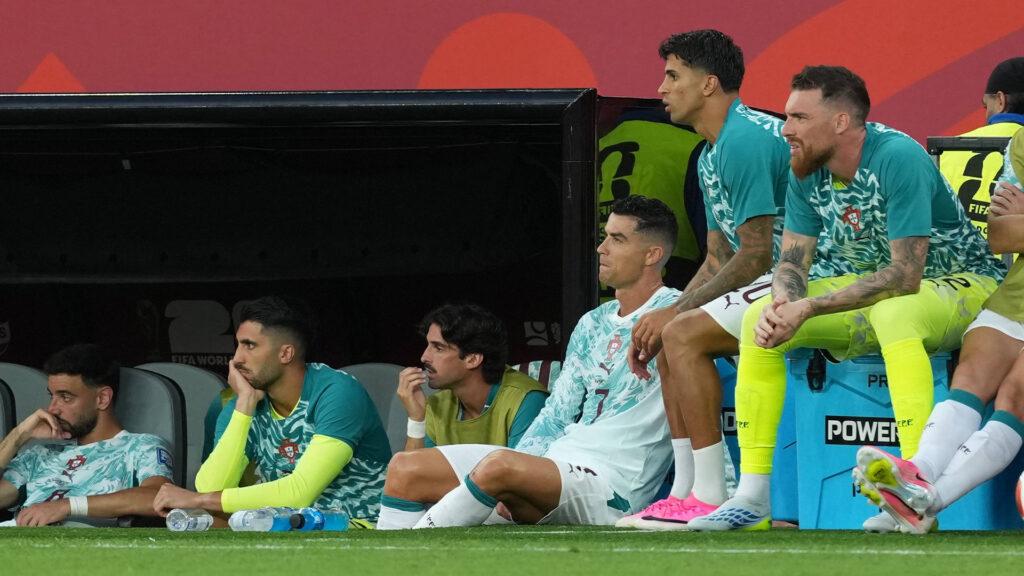
Portugal's 2026 preparation cycle has produced a recurring scene that is difficult to ignore. Portugal have won all three matches in which Cristiano Ronaldo left the pitch before the final whistle. The sample is small, yet the sequence carries weight for a side ranked fifth in the FIFA standings and carrying genuine World Cup ambitions.
What stands out is not the result alone. It is the timing. In each case, the decisive moment arrived after Ronaldo's departure, when fresher legs entered a contest that had already absorbed more than an hour of emotional and physical strain. That is the kind of detail coaches study when they plan for tight knockout rounds, where margins often hinge on who holds composure in the final fifteen minutes.
Three Exits, Three Late Turns
The most recent example came against Croatia on July 2. Ronaldo was withdrawn in the 81st minute with the score level at 1-1. Portugal then found a stoppage-time winner in the fourth minute of added time through striker Goncalo Ramos, who had entered as a substitute. Database records from that World Cup fixture align with a 2-1 final scoreline and show Portugal finishing with 15 shots, 61 percent possession, and a 4-2-3-1 shape that held firm even as Croatia pushed with 13 attempts of their own.
Earlier in June, a similar arc unfolded against Nigeria on June 10. Ronaldo departed in the 64th minute with the game tied 1-1. Portugal eventually secured a late winner through Conceicao in a friendly that tested the squad's ability to stay patient when a star forward leaves the frame. Against Chile on June 6, the pattern was even cleaner: Ronaldo exited at half-time with the score 0-0, and Portugal responded with a 2-1 victory built on second-half goals from Guedes and Fernandes.
Three matches do not constitute proof of a permanent tactical truth. They do, however, create a conversation worth having before the tournament's decisive stages arrive.
The Psychology of the Closing Phase
Knockout football rewards teams that can absorb pressure without losing structural discipline. Ronaldo's presence still commands defensive attention, but full ninety-minute exertion at age 41 is a different calculation than it was a decade ago. When he leaves, opponents often recalibrate. Center backs step higher. Fullbacks push into wider channels. That adjustment can open space, yet it also introduces risk if the replacement striker is not ready to exploit it immediately.
Portugal's recent finishes suggest the bench has been mentally prepared for that exact transition. Goncalo Ramos against Croatia did not need a long settling period. He entered a level game, accepted the tempo, and attacked the final actions with clarity rather than urgency. That distinction matters. Urgency burns energy. Clarity converts chances.
From a resilience standpoint, the squad also showed something valuable in the Nigeria and Chile fixtures: the ability to keep belief when the scoreboard refuses to move. Drawing at the hour mark can trigger frustration in teams that depend on a single focal point. Portugal, in these three examples, kept searching for solutions instead of forcing the issue through one channel.
What Changes on the Pitch
Observers have noted a visible shift once Ronaldo sits. The front press becomes sharper. The first defender closes faster, and the second line compresses passing lanes with more aggression. That incremental increase in intensity shortens the field and can produce turnovers in dangerous areas.
Substitute forwards also bring different movement profiles. Ramos offers vertical runs between center backs. Conceicao can stretch wide and cut inside. Guedes and Fernandes, in the Chile match, injected directness from deeper positions. None of this diminishes Ronaldo's value as a leader and reference point. It simply illustrates that Portugal's attacking ecosystem has grown beyond dependence on one finishing profile.
The Croatia data reinforces that reading. Despite losing possession share at 39 percent, Croatia generated 13 shots and six on target. Portugal still controlled the broader flow at 61 percent and converted their advantage in the moments that decided the outcome. Winning while not dominating every metric is a skill elite teams need in summer tournaments.
The 2016 Echo and a Modern Choice
The comparison to Euro 2016 is inevitable, and it should be handled carefully. Ronaldo did not complete the final that year either, yet his touchline presence after injury became part of Portugal's collective identity. The team learned to win through shared responsibility rather than one player's continuous output. That psychological template still exists within the squad culture.
The modern question is operational rather than sentimental. Would Portugal benefit from planning Ronaldo's minutes more deliberately, preserving his impact for the passages where a single intervention can tilt a tie? Starting on the bench and entering with twenty-five to thirty minutes remaining is not a demotion when the evidence shows late surges following his exit.
Head coach Roberto Martinez faces a balancing act. Ronaldo remains a global standard for competitive mentality. Supporters expect him on the pitch. Rivals plan specifically to limit his influence. Yet tournament calendars compress recovery time, and heat plus travel accumulate quietly until the eighty-fifth minute exposes fatigue in even the most disciplined athletes.
Reading the Sample Without Overreacting
Rational analysis requires holding two ideas at once. Portugal have won three consecutive fixtures in this substitution pattern, and Ronaldo's individual influence in the minutes he played still shaped how opponents organized. Removing him did not magically solve every problem. Nigeria and Croatia both created dangerous periods after his withdrawal. Portugal simply finished stronger.
That finishing edge is partly tactical and partly mental. Tactical, because fresh attackers ran into spaces that had opened. Mental, because the group did not collapse into panic when the team's most recognizable figure departed. In high-stakes environments, that steadiness is as valuable as any single goal.
FIFA ranking movement offers a quiet backdrop. Portugal climbed one place to fifth in the latest update, while Croatia remain eleventh and Nigeria twenty-sixth. Friendly and preparatory results carry less weight than competitive ones, yet the underlying message is consistent: this is a deep roster capable of multiple routes to victory.
What Comes Next
The conversation will intensify as the World Cup draw firms and knockout scenarios become easier to simulate. Media narratives will swing between declaring Ronaldo a burden and calling him irreplaceable. Neither extreme serves the team well.
What the 2026 sample actually shows is simpler and more useful. Portugal possess credible late-game options. The staff appear willing to manage minutes with tournament longevity in mind. And the players arriving from the bench have demonstrated the psychological readiness to decide matches rather than merely participate in them.
Whether that leads to a deliberate bench role for Ronaldo remains an open strategic choice. The evidence so far does not answer it definitively. It does, however, give Martinez a legitimate framework for a decision based on patterns rather than nostalgia. In a World Cup where the final third often belongs to the calmest team, that may prove more important than any single starting lineup announcement.