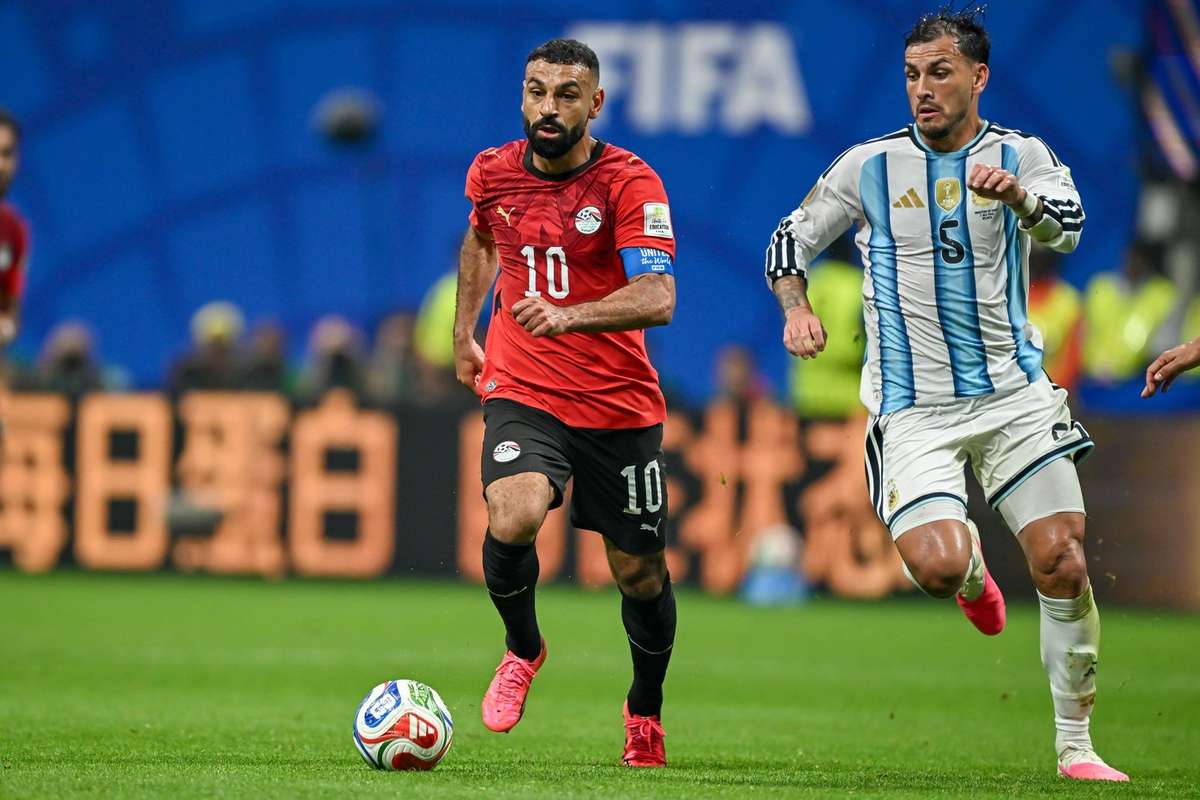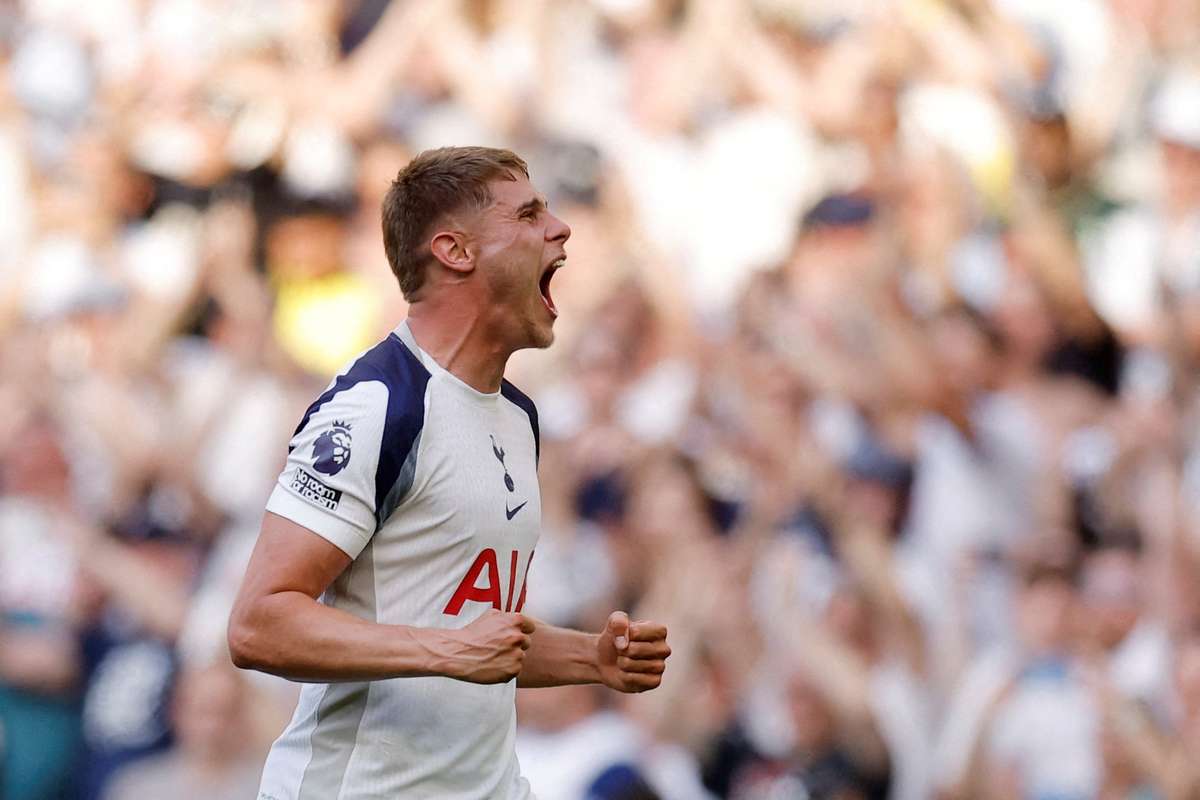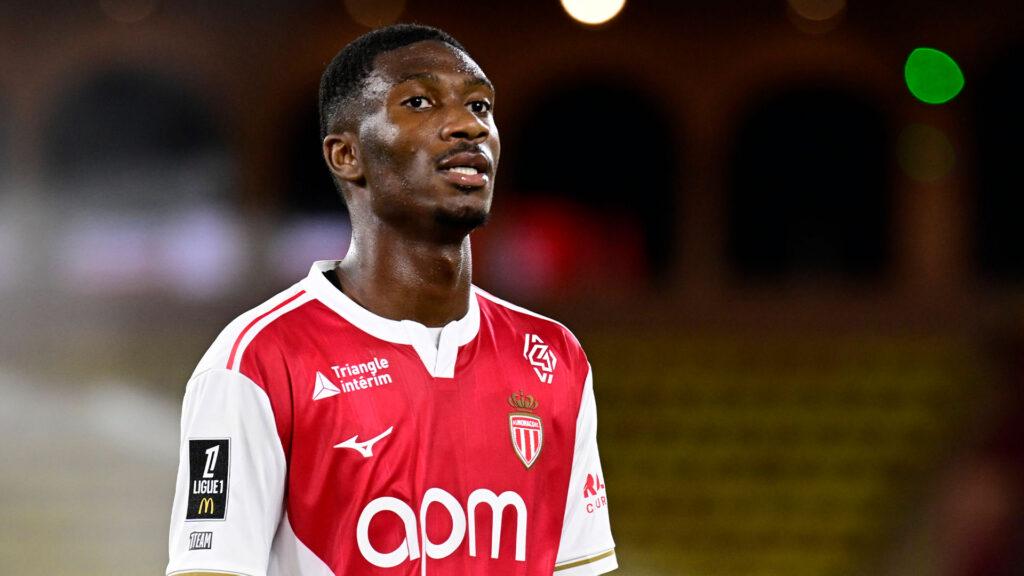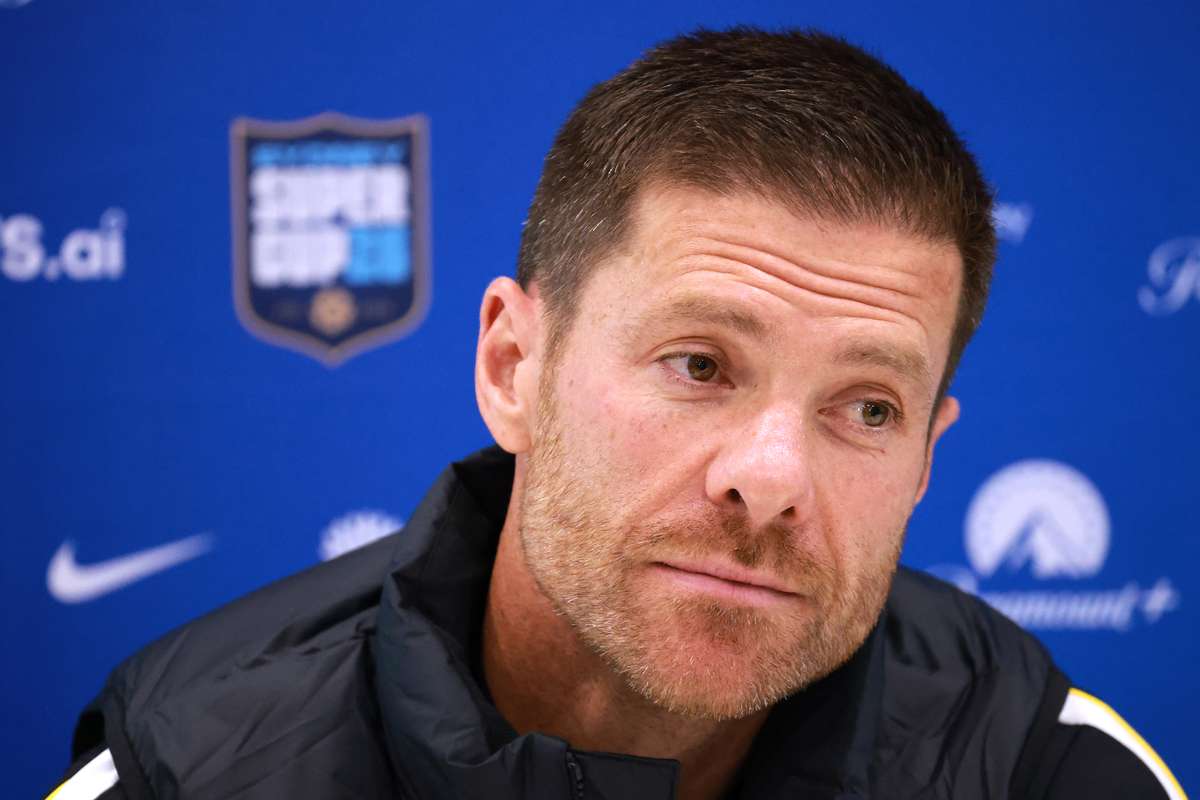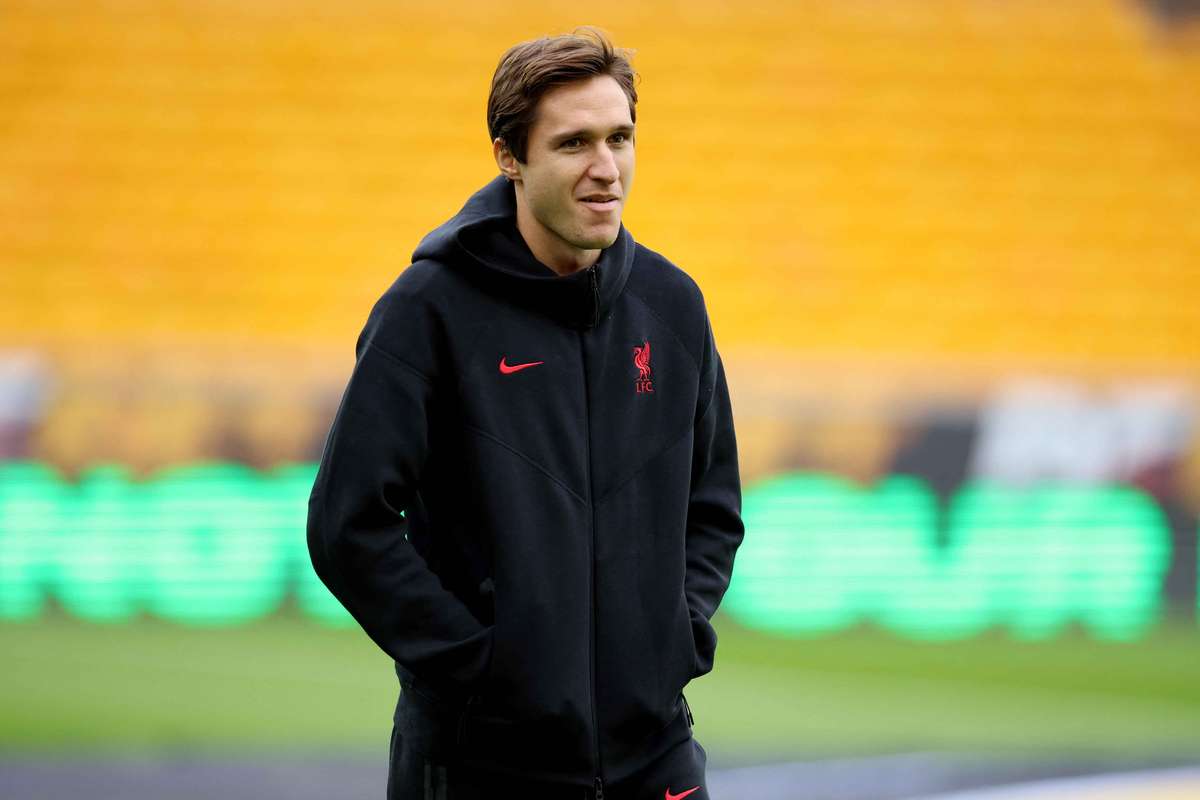











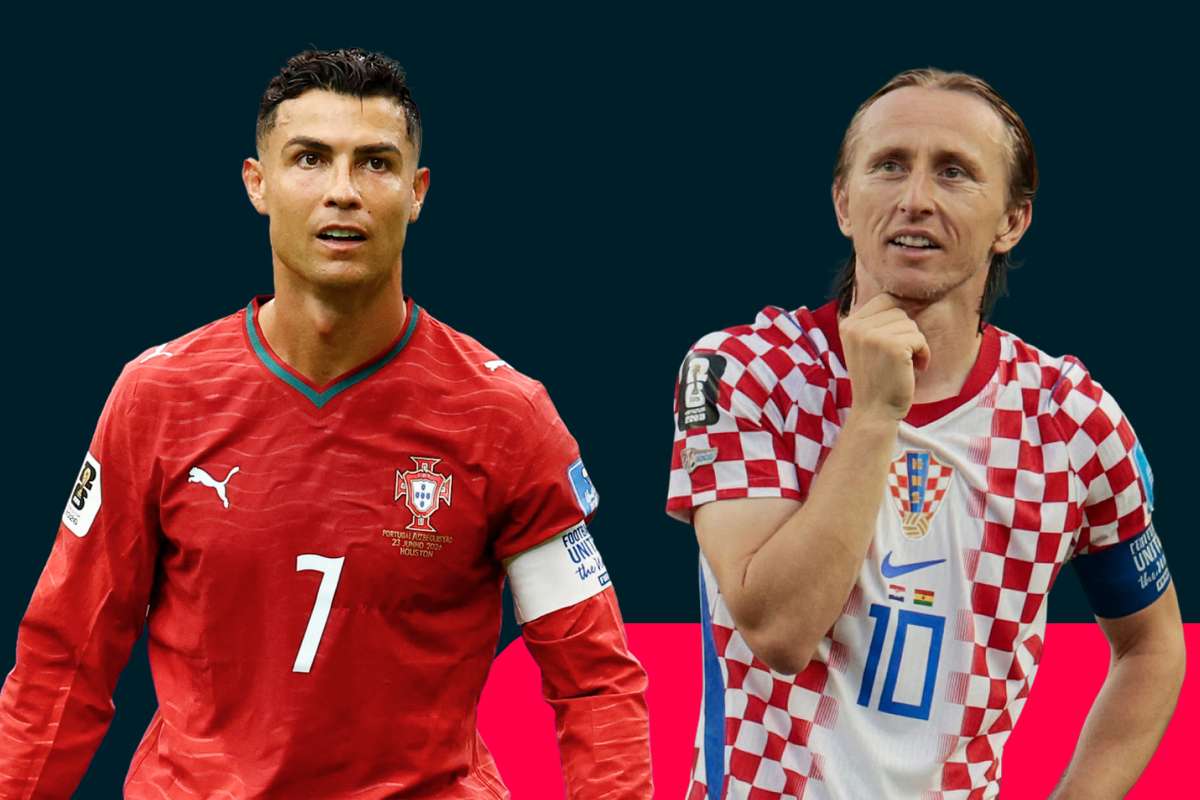
Two generational icons who once shared a dressing room at Real Madrid now lead their nations into a winner-takes-all World Cup knockout tie. Cristiano Ronaldo, at 41, and Luka Modric, at 40, carry the weight of history as Portugal and Croatia meet with a place in the Round of 16 on the line.
For both veterans, this could mark a final World Cup chapter. The stakes are clear: one side extends its campaign, the other walks away from the global stage with regret.
Ronaldo's Unfinished Knockout Business
Ronaldo arrives at this fixture with a glaring gap on his World Cup résumé. Across eight previous knockout appearances, he has fired 29 shots without scoring — a drought that shares an unwanted record with Brazil's Roberto Carlos for the most efforts without a goal in the knockout phase since 1966.
That statistic looms large against a Croatian side that may represent Portugal's sternest test of the tournament. Ronaldo did find the net twice against Uzbekistan in the group stage, enough to move past Eusebio as Portugal's all-time World Cup scorer with 10 goals from 24 matches. Eusebio's nine came in just six games, a benchmark that underscores how long Ronaldo has carried this team.
Yet blank outings against DR Congo and Colombia raised familiar questions about whether he can deliver when the margins tighten. If Portugal are to advance, Ronaldo likely needs to do something he has never done at a World Cup: score in the knockout rounds.
Portugal's Control Without Cutting Edge
Roberto Martinez's side enter unbeaten, a run that has them on the brink of a rare feat. Victory would make this only the third time Portugal have gone unbeaten through four World Cup matches, joining 1966 and 2006.
The underlying numbers tell a mixed story. Portugal averaged 62.5% possession in the group stage — their highest at a World Cup — and completed 1,690 passes, another tournament record. But 37 total shots and 12 on target represent their weakest attacking output at the competition since 2018, when they managed 32 shots and nine on target.
Intensity will need to rise. Croatia are not a side that surrender space easily, and Portugal's ball dominance has not always translated into clear chances.
Vitinha Holds the Tempo
Much of whether Portugal can sharpen that attack rests on Vitinha. The midfielder has become the metronome for how this team plays, setting rhythm from deep and connecting the lines.
His group-stage numbers underline that role. Vitinha completed 270 passes across three matches — the most on record by any Portuguese player at a World Cup. Against Colombia, his 54 completed passes at 100% accuracy tied the record for the most by a midfielder in a single World Cup game.
If Portugal unlock Croatia's compact defensive structure, Vitinha's distribution and movement between the lines will likely be the key.
Croatia's Knockout Pedigree
Croatia arrive with a reputation built on tournament resilience. Modric, making his 23rd World Cup appearance, remains the emotional and tactical anchor of a side that rarely shrinks on the biggest stage.
The midfielder's experience in high-pressure knockout football gives Croatia a psychological edge that statistics alone cannot capture. They have grown accustomed to finding solutions when games tighten, and Portugal's profligacy in front of goal may encourage them to stay disciplined and wait for their moment.
FIFA ranks Croatia 11th in the world, while Portugal sit fifth after climbing one place — context that frames this as a clash between two established forces rather than a mismatch.
What the Round of 32 Demands
This is not a tie decided by reputation alone. Portugal's possession-heavy approach must produce penetration against a Croatian unit that knows how to manage knockout tempo. Ronaldo's search for a breakthrough goal runs directly into Modric's desire to orchestrate one more deep run.
Former teammates, now rivals. Unbeaten form against knockout pedigree. Individual legacy against collective identity.
The Round of 32 rarely offers clean narratives, and this fixture is no exception. Something will have to give — and for one of these two icons, the World Cup story may end here.