

















When Training Ground Bonds Become Knockout Stakes
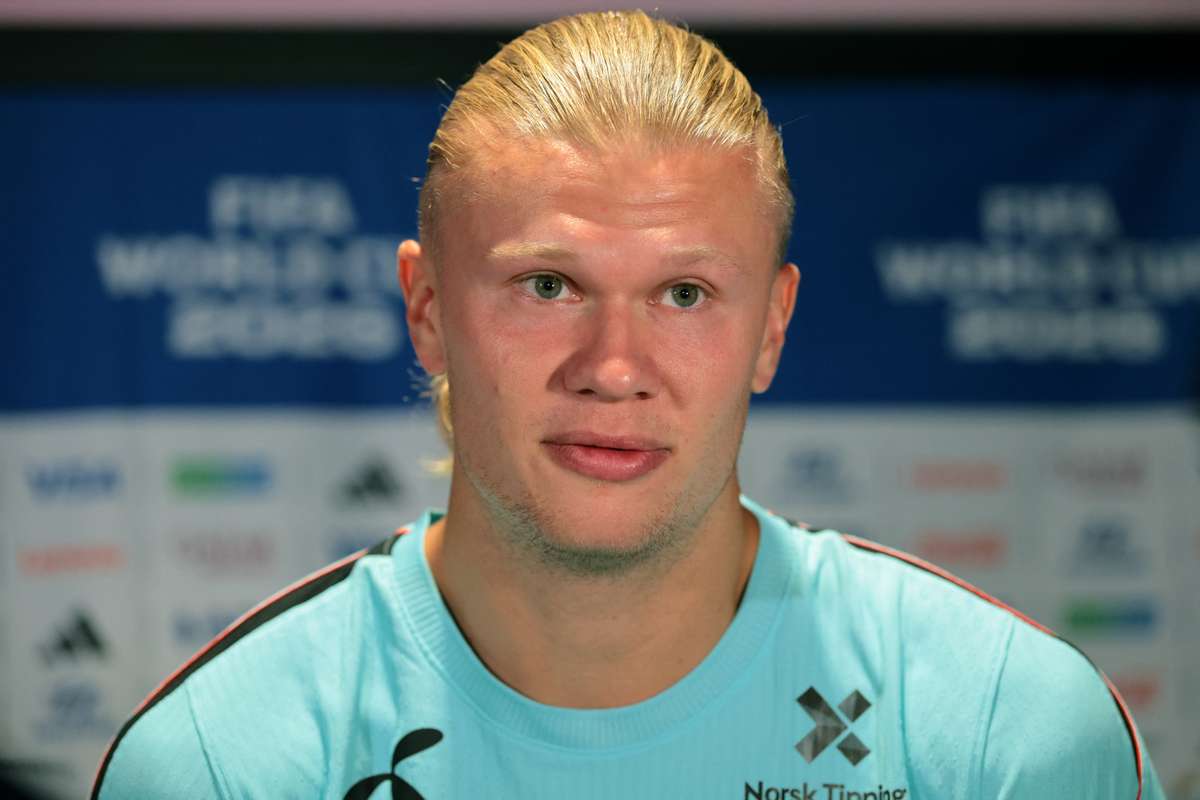
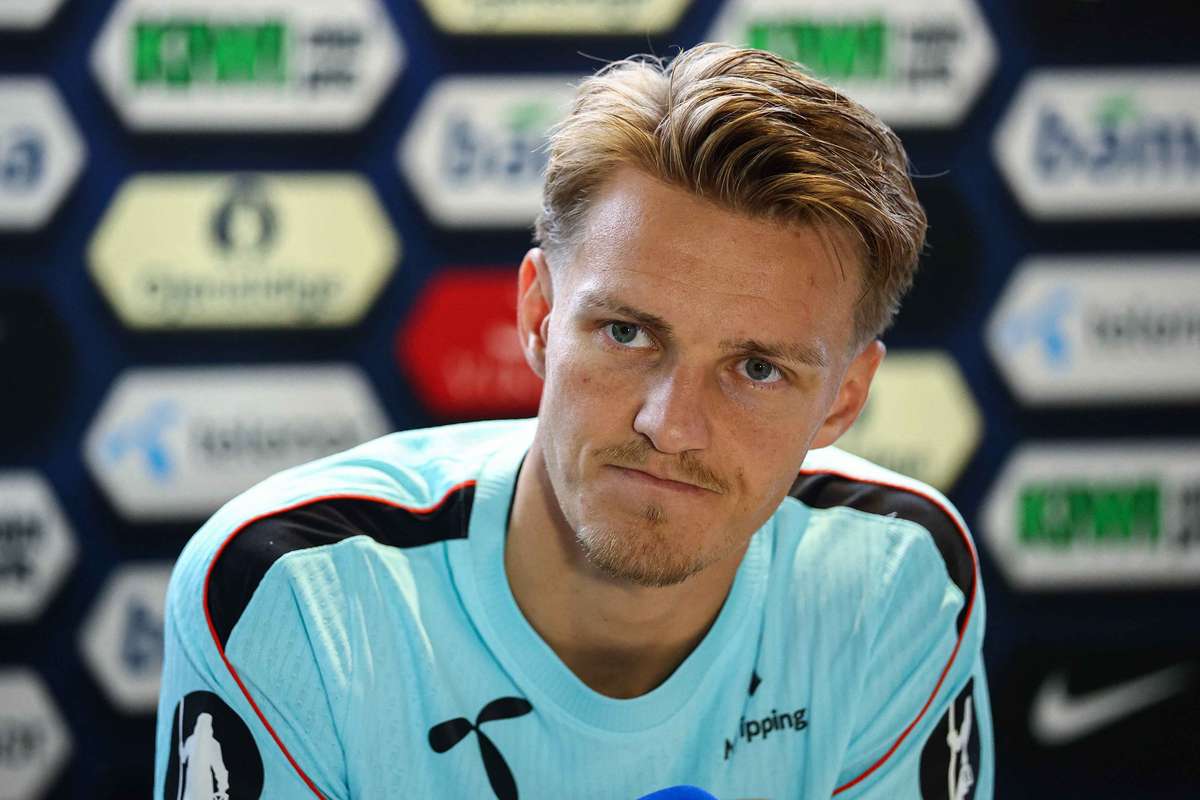
Martin Odegaard will walk onto the pitch at Miami Stadium on Saturday carrying two identities that rarely collide at this level. He is the captain of Norway, a nation appearing in a World Cup quarter-final for the first time. He is also the on-field leader at Arsenal, where several of his daily training partners now wear England shirts and stand between his country and a place in the last four.
That overlap is not a novelty in modern football, but it sharpens the stakes in a single-elimination window. Odegaard has shared a dressing room with Declan Rice, Bukayo Saka, Noni Madueke and Eberechi Eze through a Premier League title run. On Saturday, shared habits, shared drills and shared tactical language become competitive intelligence on both sides. For Norway, the challenge is not only tactical. It is psychological: how does a squad built largely outside England's elite production line compete against players it knows intimately?
Speaking to reporters on Wednesday, Odegaard kept the tone measured. He acknowledged brief conversations with former club colleagues during the tournament, but made clear that familiarity would not soften his focus.
A Limited Exchange, A Full Commitment
"Not too much banter," Odegaard said with a smile. "I've spoken to a few of them a little bit during the tournament. Obviously we know the quality they have. I know them really well. Outstanding players, world-class players, playing for probably one of the best national teams in the world at the moment, so it's going to be a big test for us."
The wording matters. Odegaard did not frame the tie as a reunion. He framed it as an evaluation — of Norway's development path against one of the deepest national pools in the game. England enter the match ranked fourth in the FIFA standings, unchanged from the previous cycle and sitting on 1825.97 points. Norway, by contrast, have climbed one place to 31st with 1550.94 points. On paper, the gap is familiar. On the pitch this summer, Norway have already rewritten that narrative once.
England's Midfield Anchor as the Central Examination
If one individual symbolizes the test ahead, Odegaard pointed to Rice. The Arsenal midfielder anchors England's central structure, the player whose weekly habits at London Colney translate directly into national-team reliability. Odegaard's praise was specific and layered, reflecting how he reads a complete modern No. 6 rather than a highlight reel.
"He's someone who always gives absolutely everything for the team, always fighting for to the team, driving the team forward," Odegaard said. "He can do so many things on the pitch. He can defend, he can attack, he can be physical, he can be good on the ball. He's a very complete player, so it's going to be a good test for all of us."
That description doubles as a scouting report and a statement about selection logic. Rice represents the kind of dual-phase midfielder national programs increasingly prioritize: a player who can protect space, restart attacks and set emotional tempo. For Norway, neutralizing that profile likely means more than marking one man. It means disrupting the chain England have built around him — including the wide thrust supplied by players such as Bukayo Saka, whose directness and timing have become central to how England stretch opponents.
Odegaard was careful not to reduce England to a single duel. "And it's not just about Declan, but the whole team has unbelievable players," he said. "It's a massive test and we're looking forward to it. Hopefully we can make even more history."
The phrase "more history" is not casual. Norway have already crossed a frontier few expected when the tournament began.
Belief Forged Against Brazil
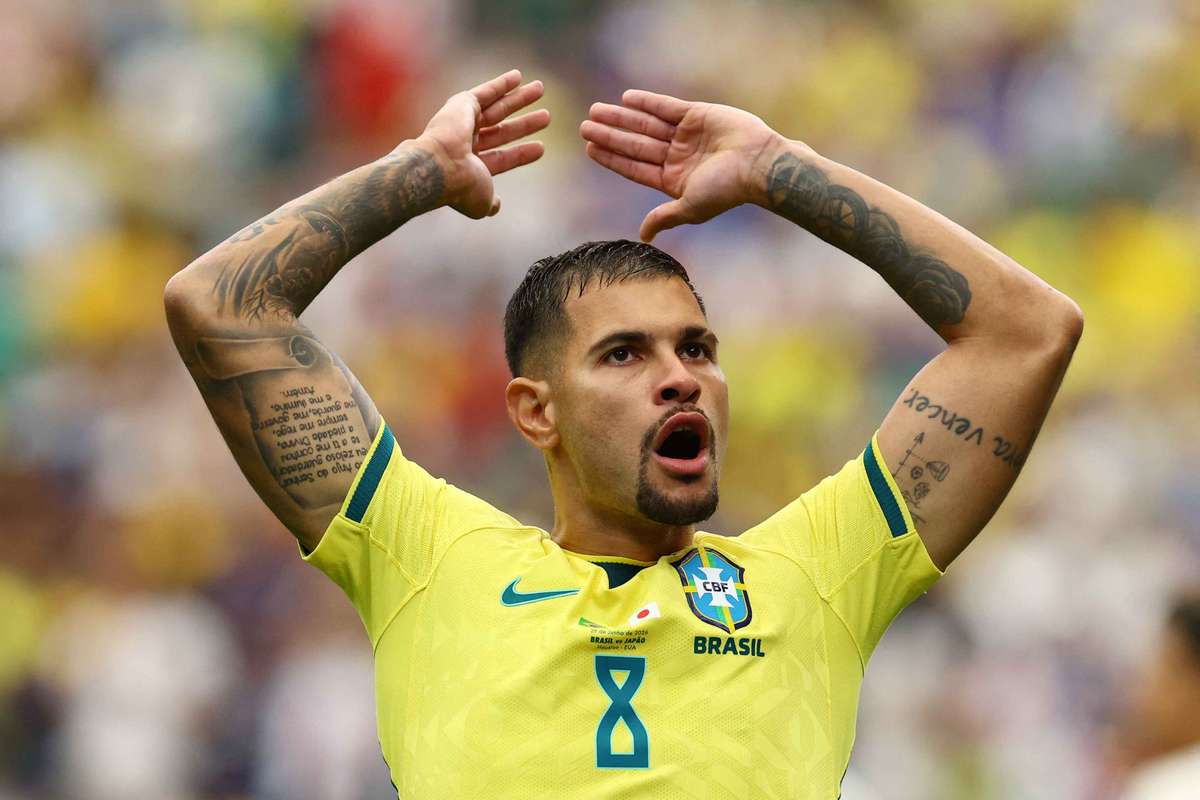
Norway's route to Saturday carries a result that reframes how outsiders should read them. In the round of 16, they defeated five-time champions Brazil, a side ranked sixth globally and carrying 1761.16 FIFA points. Norway won that encounter 2-1 despite Brazil directing 14 shots and holding a territorial push, finishing with 66 percent possession, 680 passes and a 91 percent completion rate. Brazil, for all their volume, managed one goal from four shots on target.
That performance fits a pattern Odegaard now treats as evidence rather than anomaly. "I think Brazil in the last 16 was the same, we were the underdogs and, as you saw, anything can happen in football," he said. "We're going to give it a good try, see what we can do and are looking forward to it."
The Brazil result matters for recruitment logic as much as morale. Norway are not a squad assembled from the same conveyor belt that feeds England's squad. Yet they proved they could absorb pressure, remain organized without the ball and convert limited openings — the exact profile required against a team that can dominate phases and still lose if details slip.
Underdog Status Without Underdog Mindset
England arrive as favorites again. Norway accept that label without surrendering ambition. Odegaard's language consistently returns to preparation and self-belief rather than surprise alone.
"We have to have the belief in ourselves," he said. "We've shown the whole world that we're a good team. In football, anything is possible. Even though we're the underdogs again, let's see what happens and let's prepare well."
That preparation will include managing the human layer of this fixture. Odegaard knows how Rice presses, how Saka attacks space, how Madueke and Eze combine in tight areas. England know Odegaard's tempo, his preference for controlled progression and his capacity to raise collective composure under stress. Information flows both ways.
What Saturday Demands From Norway's Development Model
Quarter-finals separate teams that can win one high-variance match from teams that can repeat competitive behavior under elevated scrutiny. Norway's task is to show that the Brazil performance was not an isolated peak but a repeatable standard — discipline without possession, clarity in transition and conviction when chances appear.
For Odegaard, the personal subplot is unavoidable. He will oppose friends and daily collaborators. He will also captain a country that has never stood this close to a World Cup semi-final. The intersection of those realities defines the match's texture.
England's depth, Rice's completeness and the quality spread across their lineup make this the sternest examination Norway have faced. Odegaard has named it plainly: a big test. Norway's response will determine whether their summer story ends as a historic quarter-final appearance or extends into territory no Norwegian side has ever reached.
The whistle on Saturday will not ask which training ground produced the better environment. It will ask which national program, on one night in Miami, can turn shared knowledge into competitive advantage — and which can withstand the players they know best when everything is on the line.