





The final whistle in Philadelphia did not close the story. It only shifted the weight from the pitch to the words that followed.
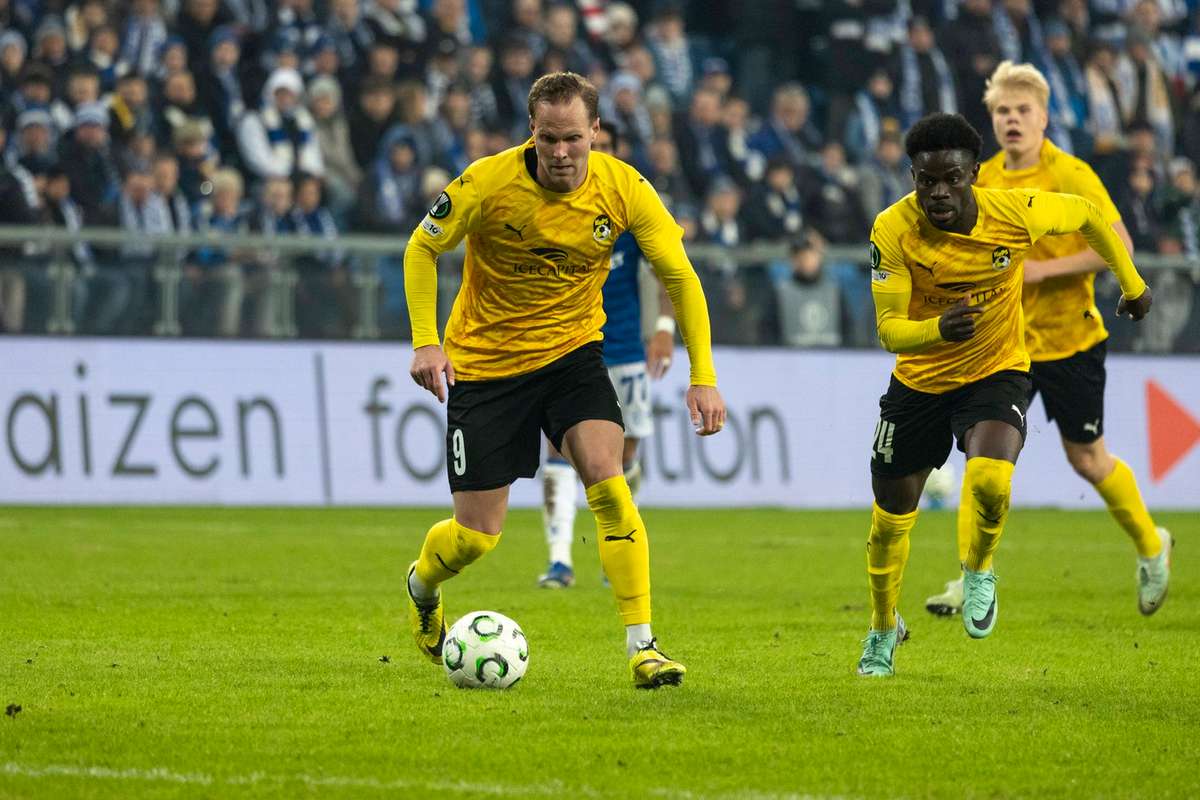
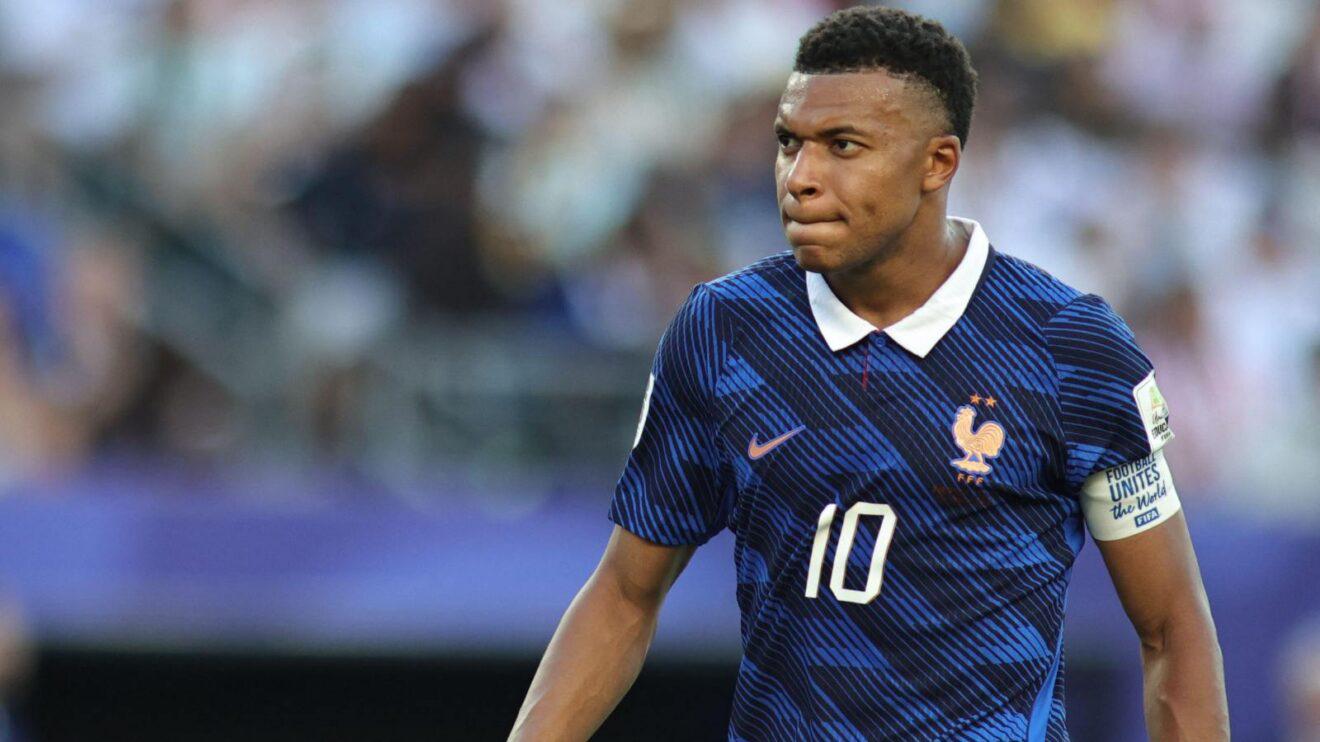
On Saturday, France advanced to the World Cup quarter-finals with a 1-0 victory over Paraguay, a result decided by Kylian Mbappe's penalty in a bruising, ill-tempered encounter. For Paraguay, elimination arrived after a campaign defined by stubborn resistance rather than glamour. For Mbappe, the captain's armband carried a familiar burden: deliver when the margins are thin, then absorb everything that comes after.
By Monday, the match itself felt almost secondary. Paraguayan senator Celeste Amarilla had published a lengthy racist tirade on social media, targeting Mbappe with language that questioned his identity, mocked his literacy, and cast him as an outsider unworthy of representing France. She went further still, suggesting Paraguay's players should have physically confronted him after the final whistle.
The post landed with force because it arrived at the worst possible moment — when a nation's players had just exhausted themselves on the sport's biggest stage, and when the world was still processing what they had achieved rather than how their journey ended.
A Captain's Response
Mbappe did not retreat behind a generic statement. He named Amarilla directly and answered with controlled anger.
"Madame Celeste Amarilla, you are a despicable woman and unworthy of your position," he wrote. "You do not represent Paraguay, that country which has sweated passion and honour throughout the competition."
The France captain framed the issue as larger than personal insult. In his view, Amarilla's rhetoric had already begun erasing the work of Paraguay's squad — the discipline, the effort, the historic run that had carried them deep into the tournament before Saturday's defeat.
"Through your recklessness and your brazen racism, the entire world has already forgotten the journey and the historic effort that your players accomplished during this World Cup," Mbappe added. "I will never allow people like her the freedom to spread their hatred and racism across the world."
That last line carried the tone of someone who has heard similar language before and decided, publicly and without ambiguity, that silence was no longer an option.
What the Numbers Said in Philadelphia
The confrontation on social media should not obscure what happened on the field. France controlled the game in ways that reflected both the scoreline and the broader gap between the sides in this moment of the tournament.
Deschamps' side lined up in a 4-2-3-1 and finished with 76% possession, completing 90% of 568 passes while generating 15 shots and 12 corners. Paraguay, organized in a compact 5-4-1, managed just five attempts and one shot on target across 24% of the ball. The penalty was the separating act, but the underlying pattern was one-sided: France probed, Paraguay survived until they could not.
For Mbappe, the spot-kick was not merely a goal. It was the kind of responsibility elite forwards carry when a knockout tie refuses to open up — when tension rises, contact hardens, and a single execution decides whether a campaign continues. He delivered. Paraguay departed. The quarter-finals beckoned for France.
Yet even in victory, the match left residue. Three yellow cards for France and a contest described as ill-tempered suggested a fixture played under World Cup pressure, where every challenge carried extra meaning and every decision felt magnified.
Defending More Than Himself
What distinguished Mbappe's reply was its reach. He did not limit his defense to his own dignity. He explicitly separated Amarilla from the Paraguay players she claimed to speak for, insisting they deserved recognition for what they had built over weeks of competition.
That distinction mattered. Racist abuse directed at a Black French captain often arrives wrapped in nationalist language, as though insulting one player validates a broader political argument. Mbappe rejected that framework entirely. His statement treated Paraguay's squad as victims of collateral damage — athletes whose story had been hijacked by rhetoric far removed from the dressing room.
It was, in its own way, a captain's act of respect toward opponents he had just eliminated.
Legal Escalation and Official Rejection
The French Football Federation moved quickly beyond public condemnation. It announced plans to file a criminal complaint, describing Amarilla's remarks as "utterly abhorrent and unacceptable" and stating that they "must be prosecuted here as elsewhere."
"These remarks bring shame upon those who make them and those who disseminate them," the federation said. "The players of the French national team represent France; it is our country that is being insulted."
The legal step signaled that France viewed the incident not as routine online abuse but as conduct requiring formal accountability. Whether proceedings advance abroad or domestically, the federation's message was clear: racist speech targeting national team personnel would be met with institutional force, not only personal rebuttal.
Paraguay's government also distanced itself from Amarilla. In an official statement, it said it "deplores and rejects" her comments, calling them contrary to values of peaceful coexistence and human dignity. The government emphasized that her words reflected individual responsibility as a legislator and did not represent the position of the state.
A World Cup Story That Will Not Stay on the Pitch
France enter the quarter-finals as FIFA's top-ranked nation, riding a run built on control, efficiency, and moments of individual clarity. Paraguay leave as a side that repeatedly made superior opponents work, even when the statistics — 24% possession, one shot on target against France — told a harsh story on the night that ended their tournament.
Between those two realities sits the uncomfortable aftermath. A senator's post attempted to rewrite the narrative around elimination into something uglier than sport. A captain answered with force. Federations and governments followed with formal rejection.
The World Cup produces goals, saves, and tears in equal measure. This week, it also produced a reminder that the game's biggest stage amplifies not only athletic achievement but the language used to diminish it. Mbappe's penalty decided Saturday in Philadelphia. His statement may resonate longer.