









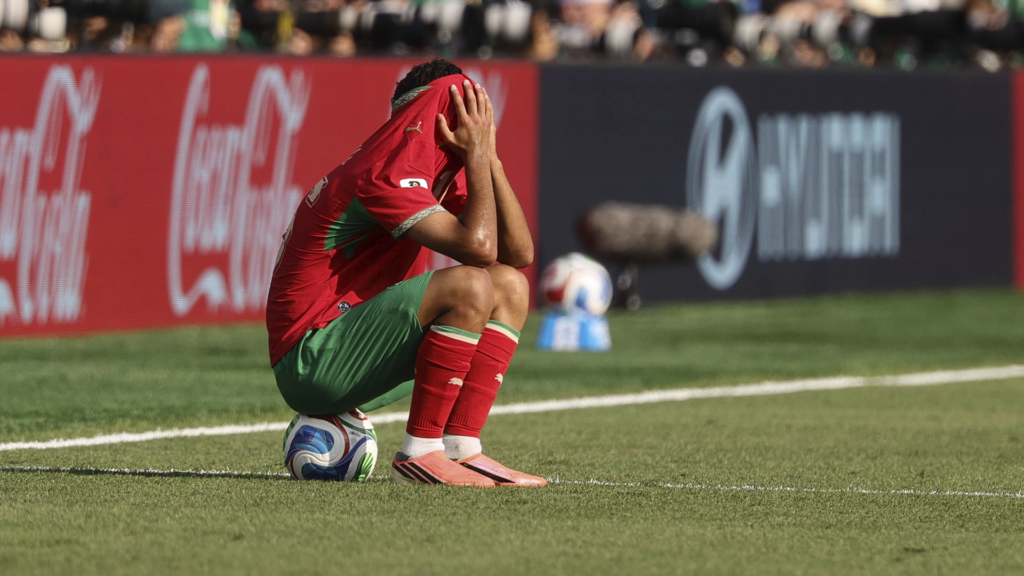
The final number on the board looked almost scripted. France defeated Morocco 2-0 in the FIFA World Cup 2026 quarter-final at Gillette Stadium in Foxborough, with 63,811 fans watching a result that carried more weight than a single elimination line.
For Morocco, the scoreline reopened a wound they already knew. Across the last two World Cups, the Atlas Lions have been shut out without reply only twice — and both times by France, both times by the same 2-0 margin. The first came in the 2022 semi-final in Qatar. The second arrived on this July night in Massachusetts. That symmetry is not cosmetic. It is the product of repeated decisions: how Morocco protect space, how France punish hesitation, and how the finest margins decide who advances when both teams believe they belong.
When Structure Travels But Goals Do Not
Morocco arrived in Foxborough as the eighth-ranked nation in the world, carrying the confidence of a team that has now reached the knockout stage in consecutive tournaments. Their platform has been consistent. Compact defending, disciplined spacing, and a refusal to be dragged into chaos have made them one of the hardest sides to break down on the global stage.
The numbers from this quarter-final told that story again, even in defeat. Morocco finished with 52 percent possession and completed 86 percent of their passes. They were not overrun in the middle third. They were not stretched into a defensive collapse. Yet they managed only five shots and one on target. France, ranked first in the world and playing with the sharper cutting edge, produced 22 attempts and eight on target while still winning the territory battle only narrowly at 48 percent possession.
That imbalance is the decision Morocco must confront. Their structure continues to travel. Their conversion against Europe’s elite in the biggest moments still does not. In knockout football, keeping the door shut is only half the assignment. The other half is choosing the right instant to turn defensive reliability into something France cannot recover from.
The Quarter-Final Equation for African Football
This defeat added another line to a continental record that deserves context rather than despair. African nations have now been eliminated in four of their five World Cup quarter-final appearances. The lone exception remains Morocco’s 1-0 victory over Portugal in 2022, the result that carried Africa into its first ever semi-final and changed what the continent believed was possible on this stage.
That landmark still stands. So does the broader trend Morocco have helped reshape. Reaching the last eight across eras has usually required tactical maturity, reliable goal prevention, and the nerve to survive pressure from established powers. Morocco have shown all three in back-to-back tournaments. They are no longer accidental guests in the final eight. They are repeat occupants.
The lesson from Foxborough is not that the path was wrong. It is that the standard at this level punishes every missed chance. Quarter-finals are where conversion defines legacy. Morocco have already proved they can be the outlier. The next step is turning that exception into a repeatable habit when the opponent is France and the stakes are absolute.
Bounou and the Penalty Decision
If one individual decision captured the emotional texture of the night, it belonged to Yassine Bounou. Early in the contest, with the match still level and tension building through a lengthy video review, France captain Kylian Mbappe stepped up from the penalty spot. Bounou read the attempt, moved correctly, and pushed the ball away. The save kept Morocco alive at a moment when a conceded goal might have altered the entire rhythm of the tie.
That intervention was more than a highlight. It was leadership under maximum stress — the kind of choice that defines a goalkeeper’s tournament identity long after the full-time whistle.
Four Saves, One Standard
Bounou has now saved four FIFA World Cup penalties, including shootouts, equaling an all-time tournament record shared by an exclusive group of goalkeepers. His World Cup arc spans two active tournaments after sitting unused in 2018, and across that span he has faced nine penalties in total. Four have been saved. Three takers have missed the target entirely. Only two have beaten him.
Those figures explain why penalty takers treat him differently. Bounou does not simply react. He engages in the psychological contest before the strike is taken, forcing takers into a choice between caution and aggression. Play safe and he reaches it. Aim for perfection and the margin for error disappears. Either route has historically favored Morocco.
Even on a night that ended in another 2-0 defeat to France, that record matters. It reframes what Morocco lost. They were not overwhelmed by chaos. They were beaten by a side that found two goals from open play while Morocco’s goalkeeper delivered another chapter of individual World Cup history.
What France Proved Under Pressure
France’s decision-making looked different from the other side of the pitch. Les Bleus accepted that Morocco would not hand them space easily. Instead of forcing the game into impatience, they kept asking questions. Twenty-two shots were not random volume. They were the product of sustained pressure, varied entries into the box, and the belief that one moment of quality would eventually separate two well-organized teams.
The 2-0 scoreline also reinforced a broader knockout truth in this World Cup cycle. France remain the opponent Morocco have not solved when elimination is on the line. Morocco’s defensive platform held for long stretches, but France kept selecting the higher-risk, higher-reward route in attack — and were rewarded twice without needing the penalty that Bounou denied.
For the world’s top-ranked side, that is the mark of a team built for decisive nights. France did not require perfection in every phase. They required enough quality in the phases that decide tournaments.
The Margin Morocco Must Close
Taken together, the records hidden behind this defeat sketch a clear portrait. Morocco have built a World Cup identity rooted in structure, resilience, and credible deep runs. Bounou has become one of the tournament’s defining goalkeeping forces. African football’s quarter-final history now includes a second Moroccan chapter in four years, even if this one ended in the same scoreline as the last.
What remains unresolved is the attacking decision at the highest level. Morocco controlled passages of play, survived a penalty that could have broken them, and still could not find a goal against the same opponent that has now eliminated them without conceding a reply in two straight knockout meetings.
That is not a reason to discard the project. It is the reason the project’s next evolution matters. The Atlas Lions have already changed what African teams expect of themselves at a World Cup. The numbers from Foxborough suggest they are one decisive attacking leap away from changing what they expect of themselves against France.
Until that leap arrives, this 2-0 symmetry will remain the story — a reminder that in knockout football, the right defensive choices can carry a team to the quarter-finals, but only the right attacking choices carry them beyond the opponent that keeps standing in the way.