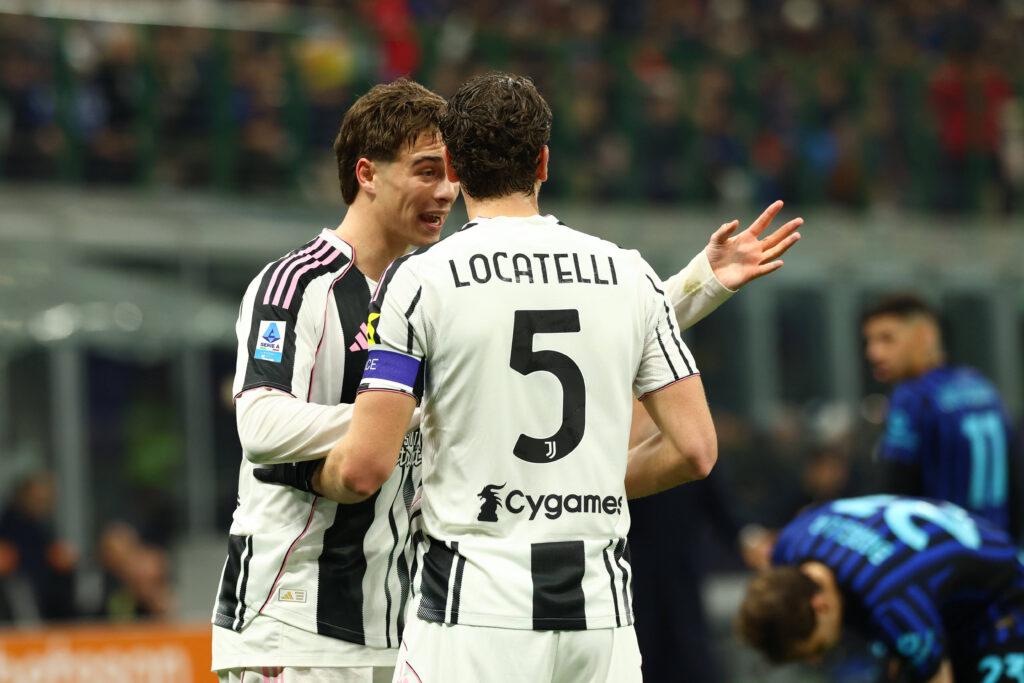












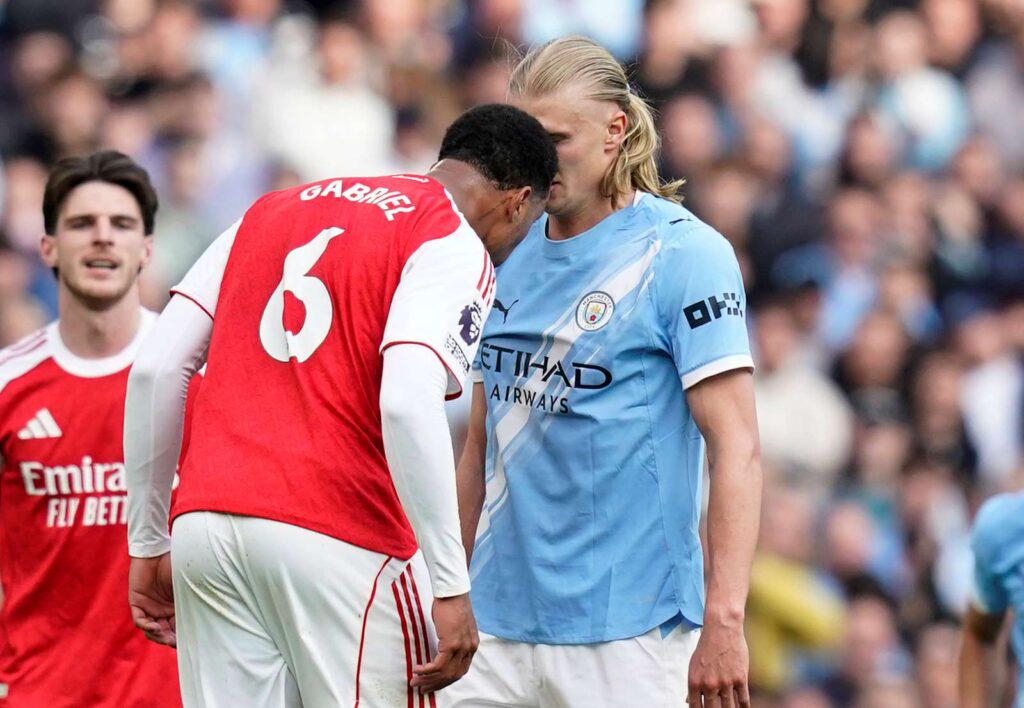
Four seasons of Premier League warfare are about to spill onto the biggest stage of all. When Gabriel Magalhães leads Brazil into a quarter-final against Norway and Erling Haaland this Sunday at MetLife Stadium in New Jersey, the fixture carries far more than a place in the last eight. It is the export of a personal feud that has already shaped title races, sparked confrontations, and turned two of the game's most imposing physical specimens into symbols of a broader tactical argument: can a centre-back's aggression and reading of the game contain a striker built to break lines at full speed?
On paper, Brazil arrive as the sixth-ranked side in the world, fresh from a controlled 2-0 win built on 69% possession, 19 shots and a 4-3-3 that looked every bit the modern Seleção template. Norway, ranked 31st, have leaned on resilience and a familiar spearhead. Yet World Cup knockouts rarely respect rankings alone. Haaland has spent his career proving that one forward can bend a match's physics. Gabriel has spent his proving that a defender can impose personality on a game without leaving his line.
A rivalry born in England, tested in every way but one
The two have shared the pitch 11 times across four Premier League seasons when both were involved. Haaland holds the edge in that ledger: five wins, four draws and two defeats. That record alone explains why the Norwegian carries psychological momentum into Sunday, but it also undersells how evenly matched the duels have become at the point of contact.
Standing 1.95 metres, Haaland attacks space vertically, shoulders first, elbows tucked, always seeking the half-yard that turns a stalemate into a chance. At 1.90 metres, Gabriel meets force with force, timing challenges to disrupt rhythm rather than merely survive it. Their meetings have rarely been quiet. They have been arguments written in body language.
March 2024: the Etihad stalemate that needed a manager's intervention
The temperature truly rose in March 2024 after a goalless draw at the Etihad Stadium. Words followed a series of sharp exchanges, and Pep Guardiola stepped between them before insisting on a handshake neither man looked eager to offer. It was a telling moment: even in a match that produced no goals, the central pairing had already produced the story.
Guardiola's intervention framed the feud as something that could be managed within club football's boundaries. What happened next suggested those boundaries were thinner than anyone admitted.
September 2024: stoppage time, a thrown ball, and a line crossed without punishment
Months later, Arsenal and Manchester City drew 2-2 after the Citizens equalized deep in stoppage time. With Gabriel turned away from play, Haaland threw the ball at the defender's head. The act went unpunished by the referee and VAR, with officials judging it insufficiently violent for a red card.
Gabriel's response in the moment was pointed: Arsenal, he said, would be waiting for their rivals at the Emirates. Haaland, for his part, offered a colder philosophy. "What happens on the football pitch stays there," he said. "It's a battle, a war, so it's normal to have provocative acts in football. It's part of the game."
That exchange captured the split in temperament. One player treated provocation as something to be answered at the next opportunity. The other treated it as occupational hazard.
Gabriel's answer and the April title-clash echo
The Brazilian did answer. In Arsenal's 5-1 demolition of City, Gabriel celebrated one of the goals directly in front of Haaland. Speaking later on the Podpah podcast, he was explicit about the motivation.
"I did it because he threw the ball at my head, to provoke him the way he provoked me," Gabriel said. "The moment we scored, he was right next to me, so I went straight to shouting in his ear."
It was not subtle. It was also effective as theatre. For a defender who had been mocked, ignored by officials and forced into a public handshake, the celebration was a receipt.
The latest chapter arrived in April during a crucial Premier League title clash. Manchester City won 2-1 thanks to Haaland's decisive goal, but the individual battle again overshadowed the scoreline. Shoulder challenges, confrontations and repeated head-to-head duels turned the match into a referendum on who could impose their will longer.
Haaland got the goal. Gabriel got the last word in the broader narrative only weeks earlier. That is the pattern of this rivalry: neither man has been able to land a knockout blow that settles the argument permanently.
Historical echoes: when personal duels define national nights
World Cup history is littered with matches where a club feud became a country-versus-country plotline. Defenders and forwards who knew each other's habits from weekly league combat suddenly carried flags instead of badges. The dynamic changes in subtle ways. Familiarity removes surprise, but it also removes excuse.
Gabriel will not need a scouting report to know when Haaland drops to the blind side of a centre-back. He will not need video to understand the timing of the Norwegian's first explosive step. Likewise, Haaland knows exactly which spaces Gabriel prefers to protect and which triggers draw him into a physical duel.
That mutual knowledge cuts both ways. Brazil's recent World Cup profile — high possession, heavy shot volume, structured rest defence — suggests Gabriel will see plenty of the ball as Norway sit compact and spring through their No. 9. Norway's path through the tournament, built on pragmatism and set-piece discipline, suggests Haaland may see fewer open-play touches but higher leverage on the ones he gets.
The tactical contrast mirrors the personal one. Brazil want to control the temperature. Norway want one moment hot enough to burn the game open.
Sunday at MetLife: what the quarter-final likely hinges on
MetLife Stadium will not feel like the Emirates or the Etihad. The crowd, the stakes and the single-elimination format change the mathematics. A yellow card in the 20th minute carries different weight when there is no return fixture in four days. A striker's frustration in a goalless hour can become a nation's anxiety.
For Brazil, the priority is structural: limit direct access to Haaland between the lines and win the second-ball moments that Norway use to restart counters. Gabriel's aerial presence and aggression on the front foot suit that plan. His risk is emotional — the same competitiveness that fuels his best performances can pull him into individual du equation is simpler to state and harder to execute: feed Haaland early, feed him often, and protect the channels he attacks before Brazil's midfield can settle into their passing rhythm. If Gabriel is drawn into a running battle along the touchline or in the box, Norway gain exactly the disruption they need.
The prognosticator's read
Rivalries like this one rarely produce bland football. Across 11 shared Premier League appearances, the meetings have swung from stalemate to chaos to decisive goals. Haaland's personal record against Gabriel's teams suggests he will believe he can decide the match. Gabriel's recent history kit and Erling Haaland in Norway kit facing off at MetLife Stadium under World Cup quarter-final lights