












If your timeline looked anything like mine before kickoff, it was half prediction threads and half panic posts about whether France could actually finish anything in a knockout game. By full time at Gillette Stadium, the argument had shifted: not whether Les Bleus belonged in the last four, but why they insist on making everyone sweat through 45 minutes first.
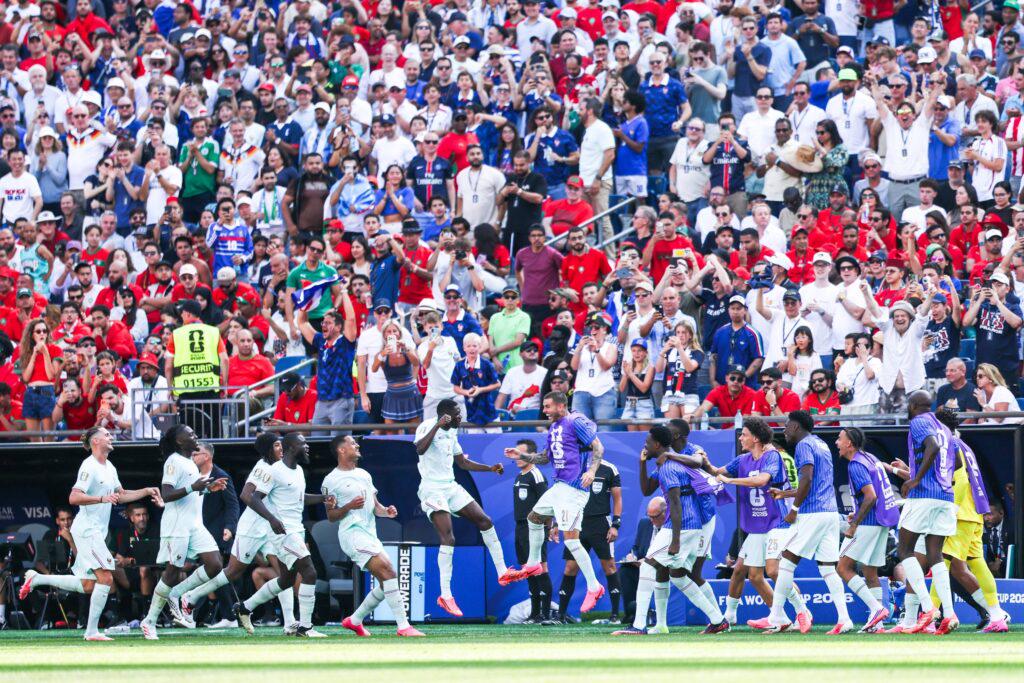
France beat Morocco 2-0 in front of 63,811 fans in Foxborough and booked a FIFA World Cup 2026 semifinal spot that felt inevitable on the numbers and unnecessarily dramatic on the scoreboard. Referee Facundo Tello kept the night calm with a single yellow card, which almost felt rude given how much noise this quarterfinal generated online.
The first half was classic modern France discourse: control the territory, miss the moment, let the replies section cook. Kylian Mbappé won a penalty in the 28th minute, stepped up, and watched Yassine Bounou deny him. Morocco leaned on their keeper to stay level, France hit the woodwork, and somehow the score stayed 0-0 despite an expected-goals edge of 1.87 to nearly nothing before the interval. Morocco managed one shot in that opening period and never created a big chance all night. If you only saw the highlights package, you would swear Morocco had weathered a storm. If you saw the underlying numbers, you would swear France had forgotten how goals work.
Then the second half arrived and the conversation changed in six minutes. Désiré Doué slipped a tidy pass to Mbappé on the hour, and the captain made it 1-0. Six minutes later the roles flipped: Mbappé fed Ousmane Dembélé, who drilled home the 2-0 that finally killed the suspense. Dembélé was the clearest player on the pitch after the break, and his goal felt less like a bonus and more like the receipt for everything France had been building.
The broader picture backed up the eye test. France finished with 3.10 expected goals to Morocco’s 0.13, outshot the Atlas Lions 21-5, and put eight attempts on target to one. Inside the box it was 12-1. Les Bleus had 26 touches in the opposition area to Morocco’s eight and created five big chances while Morocco created none. Possession slightly favored Morocco at 52%-48%, which is the kind of stat that wins arguments in group chats and loses them on the pitch. Territory, box entries, and execution all tilted France’s way once the tempo sharpened.
There was still a late wrinkle. Mbappé exited in the 77th minute with an injury and Jean-Philippe Mateta came on, but by then the damage was done. Didier Deschamps managed the closing stages smartly, bringing on Malo Gusto late to tighten the right side without picking up a booking. For a side ranked No. 1 in the world, it was the sort of controlled finish that suggests the semifinal noise may be louder than the football itself.
Morocco leave Foxborough with Bounou’s penalty save as the headline moment and a scoreline that flattered the balance of play. France leave with the same old social media storyline—slow start, loud finish—and a place among the last four. Whether that pattern is a quirk or a blueprint will be the next argument worth having.