















From the bench, you learn that the hardest defeats are rarely the ones decided in the final minutes. They are the ones where your group arrives with clear standards, real ambition, and a shared history—and still walk into a first half that does not resemble anything you have built together.
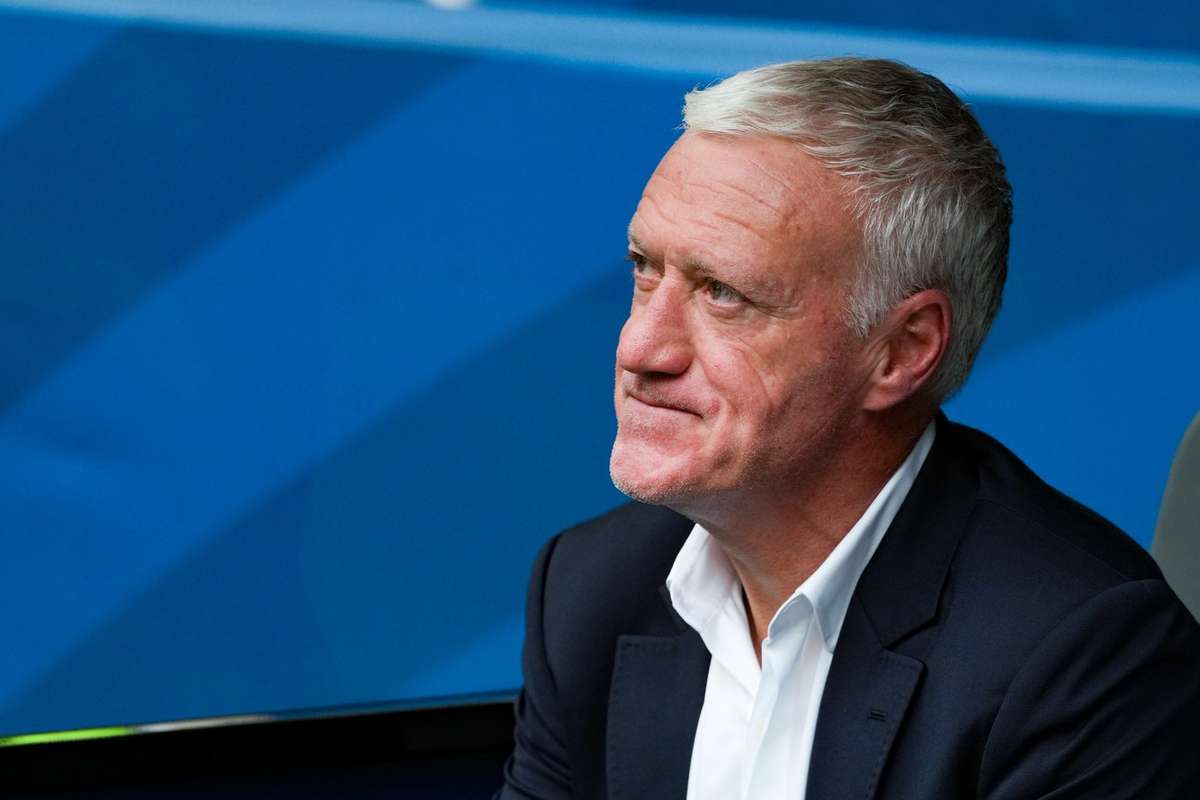
That is the frame I kept returning to while watching Didier Deschamps speak after France's bronze final loss. His 185th match in charge of Les Bleus was also his last, and the scoreboard at the interval told a story no coach wants to carry into a farewell: France trailed 4-0 at halftime in the World Cup third-place playoff.
A first half that broke the plan
Deschamps did not hide behind circumstance. He called the opening period unacceptable and placed the failure on himself.
"It is a defeat, but we were 4-0 down," he told reporters. "We produced an unacceptable first half. There was a reaction, with the things we know how to do well. We had two chances to make it 4-4, but we pushed forward a little more. That is what we know how to do, but we didn't do it. It is my fault because I must not have done what was needed in the first half."
That kind of honesty matters when a dressing room has spent weeks living inside pressure, travel, and repetition. Players need to know the leader sees the same film they see. In my experience, accountability from the coach after a collapse is not weakness. It is what allows a group to keep working when pride is already bruised.
France did respond after the break. The football looked closer to the identity Deschamps has protected for years: direct when needed, brave in transition, willing to chase a result that seemed gone. They created genuine openings to level the match at 4-4. The late push was not enough to overturn the damage done before the interval, but it at least restored a measure of pride in the second half.
Where the tournament turned
To understand the weight of this night, you have to remember what France carried into North America. They arrived ranked first in the world and aiming for a third global title. The ambition was public, the standard was familiar, and the roster still held enough quality to justify both.
The semi-final against Spain ended that dream in a 2-0 defeat that felt decisive in tone as much as scoreline. Spain knew how to perform against France when the stakes were highest, and Les Bleus could not find the answers required to reach a third successive World Cup final.
Before that, England had already delivered another setback in a tournament where small margins kept turning into large consequences. By the time France reached the bronze final, the emotional target had shifted—from chasing history to finishing with dignity.
Deschamps acknowledged that shift without pretending it satisfied him.
"It would have been better to finish third," he said. "We came here with a lot of ambition. We managed to do quite a few positive things. We failed in our match against Spain, and they knew how to perform against us. This is a group with footballing quality. There was enough talent to get results."
He was right on the talent point. France's World Cup campaign still included passages of football that reminded you why this group has stayed among the sport's reference teams for more than a decade. But talent without the right emotional footing on a given night can look like chaos, and the first half of the bronze final was the clearest example of that gap.
The human side of an ending
What struck me most was how Deschamps separated sporting disappointment from the human arc of the journey.
"On a human level, it was a beautiful adventure," he said. "Eight weeks, it was beautiful."
That line lands differently when you have watched a coach stay with the same national environment through renewal cycles, injuries, public noise, and the quiet daily work that never makes headlines. Fourteen years is not a stint. It is a shared life with players who arrive young and leave changed, with staff who build routines that outlast any single match, with a federation that learns to trust one voice through both triumph and turbulence.
Deschamps embodied that continuity for France. He led Les Bleus to the 2018 World Cup title, the 2021 UEFA Nations League crown, and finals at Euro 2016 and the 2022 World Cup. Across 185 matches and 120 victories, he helped restore credibility, respect, and affection for the blue shirt while keeping the team at the top of the global table.
The national federation's tribute captured that arc without reducing it to trophies alone. In their statement, they praised his standards, rigour, collective spirit, and love for the shirt, noting that his quarter-century of service—from captaincy to the dugout—had left an indelible mark on French football.
What a coach leaves behind
Sporting regret still sat heavily in Deschamps' words. France had the opportunity, he said, to create emotion for tens of millions of people on the world's biggest stage. Missing that chance hurt because the World Cup remains the tournament where national identity and football ambition meet most openly.
Yet even in defeat, his final press conference sounded like a coach protecting the group he is leaving. He praised the reaction after halftime. He refused to diminish the players' quality. He accepted the part of the performance that belonged to preparation and decision-making in the first 45 minutes.
That is the kind of ending players remember long after the final whistle. Not because it erases a loss, but because it gives them a model for how to carry responsibility when the lights are harshest.
France will move forward under new leadership, still ranked among the world's elite and still shaped by the habits Deschamps reinforced over nearly a decade and a half. The bronze final will not define his entire tenure. Still, as farewells go, this one was painfully honest—a coach taking the first half on himself, asking his players to keep their heads up, and closing a remarkable chapter with the same directness that made him one of the modern game's most trusted national-team leaders.