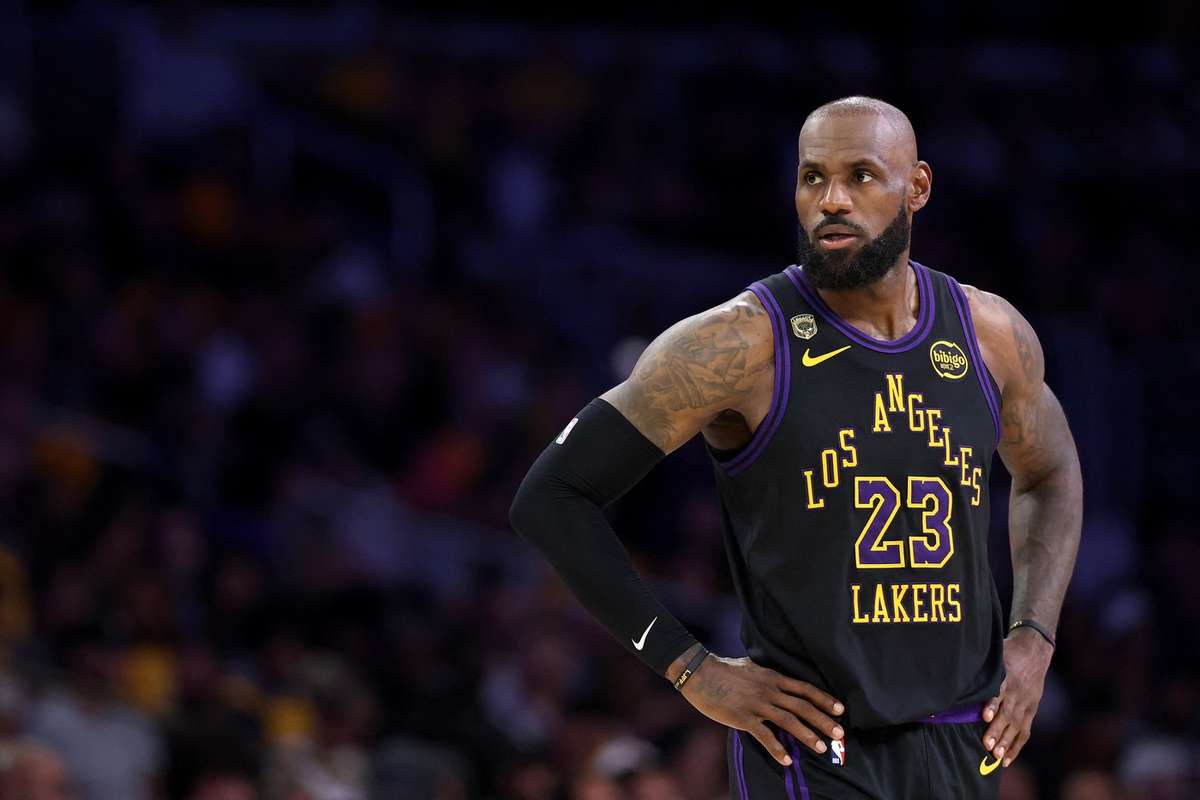








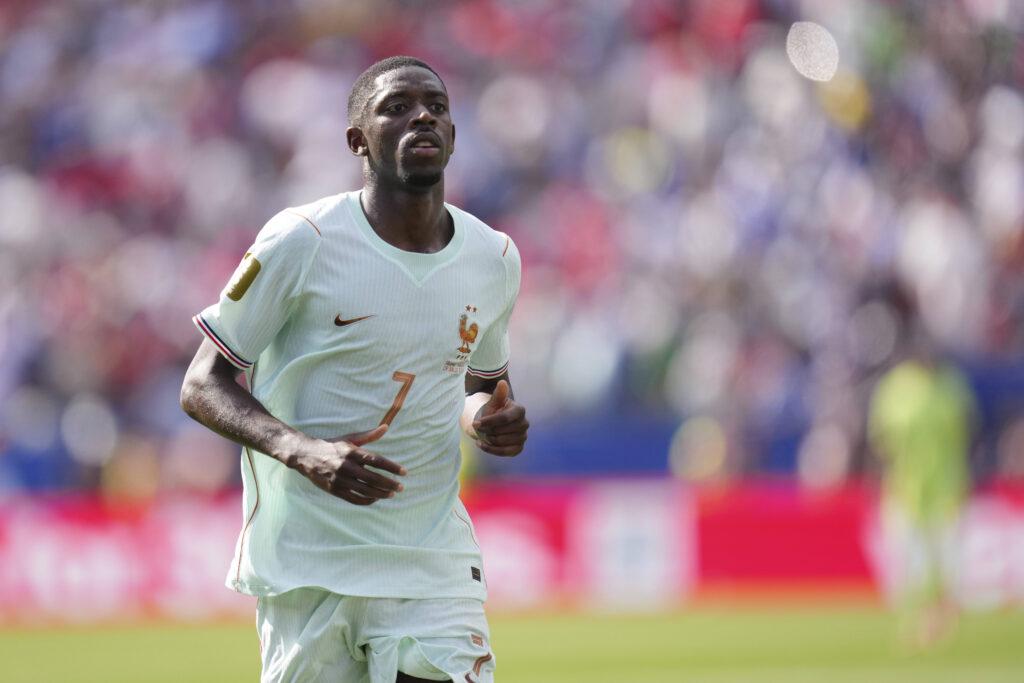
France are into the World Cup 2026 quarterfinals after a 2-0 win over Morocco at Gillette Stadium in Foxborough, and Ousmane Dembélé was the clearest difference on the night. The Paris Saint-Germain forward did not just find the net. He shaped the tempo, stretched Morocco’s back line, and carried the kind of two-way workload that turns a tight knockout tie into a controlled result.
The scoreline tells the story in broad strokes. France finished with 22 attempts and eight on target while Morocco managed five shots and only one on frame. Possession was nearly even, yet the danger tilted sharply toward Les Bleus. That gap in shot volume and final-third threat is exactly what a complete No. 10 performance looks like when a team needs efficiency more than noise.
Dembélé needed only one shot on target to convert, finishing one of his four attempts for the game’s defining strike. His shot profile carried an expected goals mark of 0.23 and an expected goals on target figure of 0.16, numbers that underline how clinical that single effort on frame was. He added one blocked attempt and two off-target tries without forcing low-percentage looks, staying aggressive while keeping his decision-making sharp across 90 minutes and 51 touches.
What separated this from a standard scorer’s night was everything around the goal. Dembélé supplied four key passes and created two big chances in a knockout environment where one clean opening often decides a tie. His crossing was perfect at three of three, and his long passing matched that standard at three of three completed. He finished 28 of 37 passes overall, including 23 of 32 in the opposition half and five of five in his own half, a blend that let France circulate safely and still play forward. His 0.70 expected assists figure reflected how often his final balls put teammates in scoring positions even when the second goal never arrived.
He also did the messy work that rarely makes highlight reels. Dembélé recovered possession four times, made two clearances when Morocco pushed higher, and won two aerial duels while accepting physical contact. He limited technical errors to two heavy touches and did lose the ball 13 times, yet the positive swings outweighed those moments and kept France in command for long stretches. That balance matters against a Morocco side ranked eighth in the world and comfortable enough on the ball to hold 52 percent possession in this fixture.
Carrying threat was another layer of his impact. Dembélé logged 22 ball carries for 189.9 meters, including five progressive carries that advanced play 66.9 meters. His best single carry moved France 17.2 meters upfield, a snapshot of how quickly he turned defensive phases into attacking momentum. When Morocco sat deeper, he still found ways to break lines off the dribble and force the back line to adjust, which opened space for runners behind him.
Context sharpens the scale of the result. France entered as the world’s top-ranked national team and looked like it against an opponent that had been steady at eighth in the FIFA rankings. This was direct, efficient football built on sharp movement and quick choices rather than endless possession for its own sake. Morocco were not overrun in the middle third, but they could not convert their spells on the ball into sustained danger.
For France, the takeaway is straightforward. They have a forward in peak tournament form who can decide a knockout match with one finish and still influence the game when the ball never reaches him in the box. For Morocco, the path out was blocked by a player operating at both ends of the pitch for the full 90. France move on with momentum and a live No. 10 at the center of it.