
















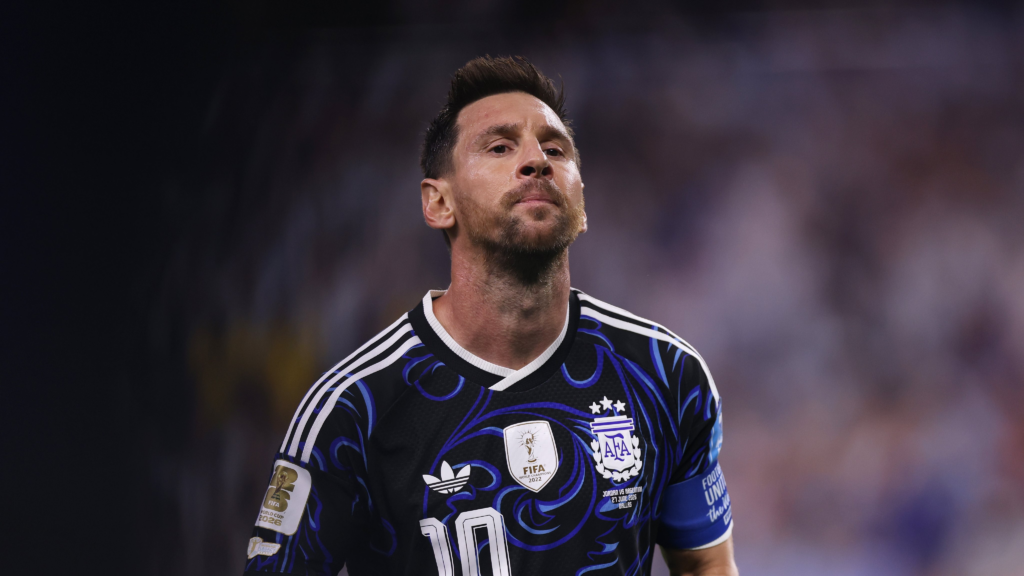
The knockout stage of the 2026 World Cup reaches South Florida with a Round of 32 fixture that pairs tournament momentum against compact defensive resolve. Argentina travel to Miami Gardens carrying the profile of a side that has found its rhythm at exactly the right moment, while Cabo Verde arrive as proof that disciplined structure and efficient goalkeeping can keep lower-possession teams alive deep into a global tournament.
For anyone tracking operations on the ground, this is not merely a football appointment. It is a stress test for one of the World Cup's most scrutinized host environments — a venue that must balance elite match-day standards with the realities of late-June heat, heavy fan throughput, and the elevated logistics demands that come with a single-elimination window.
Miami Gardens and the Knockout-Stage Load
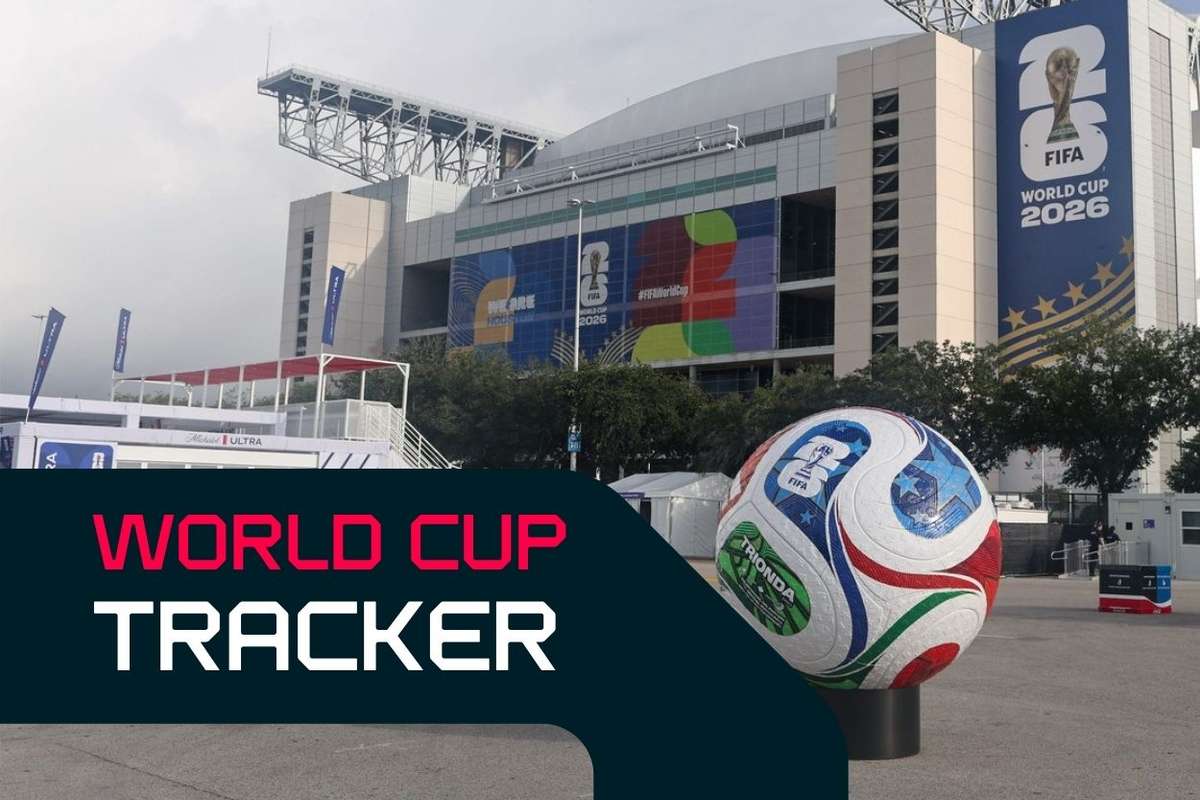
Hard Rock Stadium sits at the center of the Miami Gardens match-day ecosystem, and the Round of 32 introduces a different operational tempo than the group phase. Turnaround windows tighten, security perimeters expand, and broadcast compound requirements grow as global attention concentrates on fewer fixtures.
South Florida's climate remains the defining local variable. Evening kickoffs help, but stadium crews still manage pitch cooling protocols, hydration stations across concourses, and extended shade coverage in premium and general-admission zones. Industry observers have noted throughout this tournament cycle that Miami's host plan leaned heavily on modular cooling infrastructure and flexible crowd-routing — decisions that matter more when a knockout crowd arrives expecting a decisive night rather than a group-stage rotation.
From a sustainability standpoint, the venue footprint also shifts. Waste-diversion targets intensify when attendance spikes, and energy demand rises across lighting, cooling, and media production. Local organizers have emphasized reusable cup programs and consolidated transport hubs to reduce match-day vehicle clustering — small operational choices that accumulate across a knockout run when the same stadium may host multiple high-profile sessions within a compressed calendar.
Argentina's Numbers Reflect a Side in Control three matches they scored eight times and conceded only once, collecting two clean sheets while facing just two shots on target in total. That defensive economy is rare at this level and speaks to coordinated pressing, compact recovery runs, and a back line that has not needed to rely on emergency interventions.
Their passing profile reinforces the control narrative. Argentina completed passes at 90.6 percent accuracy across 1,916 attempts and averaged 58.3 percent possession — not extreme domination, but enough to dictate rhythm in most phases. Shot selection has been balanced: twenty attempts from inside the box and fourteen from distance produced eight goals, including two from direct free kicks. Transition has also been productive, with seven fast breaks yielding two goals.
The broader trend line amplifies the picture. Argentina enter on a ten-match winning run, and in each of those ten they scored first and led at halftime. That is the kind of early authority that simplifies stadium operations — fewer late-game congestion scenarios, more predictable crowd flow patterns, and a match script that often stabilizes earlier than chaotic open exchanges.
Cabo Verde's Blueprint a different story, but not a lesser one. Their 2-2 goal tally across three group matches came with two clean sheets and ten saves from their goalkeeper — numbers that underline a team comfortable defending territory and trusting its last line. Averaging 37.3 percent possession, they have not tried to compete on volume. Instead, they have been direct and deliberate.
The statistical portrait is unmistakable: 117 long balls attempted with 48 accurate, plus 123 clearances over three games. Both of their goals came from outside the box, confirming a side that waits for selective moments rather than sustained siege. That profile fits knockout football more comfortably than the raw table might suggest, especially in a environment where heat and humidity can flatten high-tempo pressing over ninety minutes.
Cabo Verde are unbeaten in six matches but have also gone three without a win — a pattern that reflects grinding rather than swagger. Their recent disciplinary record has stayed relatively clean, with fewer than 4.5 cards in five of their last seven. For venue and security planners, that profile often correlates with a structured, low-friction match flow, though knockout tension can rewrite those assumptions quickly.
Tactical Outlook: Volume Against Compactness
There is no meaningful head-to-head history between these nations at this level, which makes the tactical matchup the primary reference point. Argentina's engine has been humming: seven big chances created against five missed suggests the chance volume is present even if finishing efficiency can still tighten. Defensively, they have allowed only eighteen total shots and two on target across three games, adding sixty-one clearances and thirty interceptions to the ledger.
Cabo Verde will likely cede the ball and invite Argentina forward — a strategy that can expose space behind the defensive line if transitions are managed poorly. Argentina's ability to break down compact blocks will be the central question. Their group-stage mix of box penetration and set-piece production provides multiple routes, but Cabo Verde's aerial and long-ball output indicates they will not sit passively without a plan to escape.
Industry analysts covering knockout-stage trends often point to humidity as a hidden equalizer in Miami. Teams that press with extreme intensity sometimes fade in the final twenty minutes, which could elevate Cabo Verde's counter windows if they preserve energy through the first hour. Argentina's depth and game management during the winning streak suggest they understand that variable, yet single-elimination football rarely offers the luxury of a second chance.
What the Night Could the Scoreline
For Argentina, progression would reinforce the narrative of a side peaking as the tournament narrows. For Cabo Verde, a result would extend one of the more compelling defensive runs in the competition and validate a game model built on patience rather than possession.
Inside Hard Rock Stadium, the operational success of the night will be measured in more than goals. Smooth ingress and egress, effective heat mitigation, and clean broadcast delivery all contribute to the host-city reputation that FIFA's expanded format has placed under a microscope. Miami Gardens has the stage; Argentina and Cabo Verde will determine whether the football matches the infrastructure's promise.
Expect Argentina to start with authority and Cabo Verde to prioritize compactness and selective strikes. In a knockout setting at one of the tournament's most demanding climates, that contrast is not just tactical — it is the story of how two football cultures meet under the full weight of World Cup elimination.