

Since 2022, the Ballon d'Or has been judged on single-season performance rather than the calendar year, so the 2026 World Cup in North America has become the climactic stage for this year’s individual honors—club numbers lay the groundwork, national-team tournaments set the tone, and whoever delivers a coronation-level showing at the World Cup is more likely to push voters from seeing them as a contender to a consensus pick.
What has changed in the voting mechanism
The problem is that the season window overlaps with the World Cup cycle: players must flip immediately from club intensity to national-team intensity after the domestic season ends, and one poor run at a major tournament can wipe out a season of highlights. Reporting from sources notes that major international tournaments have long carried considerable weight in the final vote, especially when a player can also post elite club numbers—the “dual-track resonance” of club and country is often the most persuasive case.
Over the past two decades, the Cristiano Ronaldo–Messi duopoly has made it easy to underestimate the World Cup’s power to correct the vote. In 2018, Luka Modrić led Croatia to the final and won La Liga and the Champions League with Real Madrid before taking the trophy; in 2024, Rodri won the Premier League with Manchester City and then the European Championship with Spain, completing the same club-plus-country loop. Both paths show that anchoring the award to the “season” has not diluted the World Cup’s weight—it has pushed it to the decisive variable at the end of the season.
2026 landscape: who is heating up, who is stuck
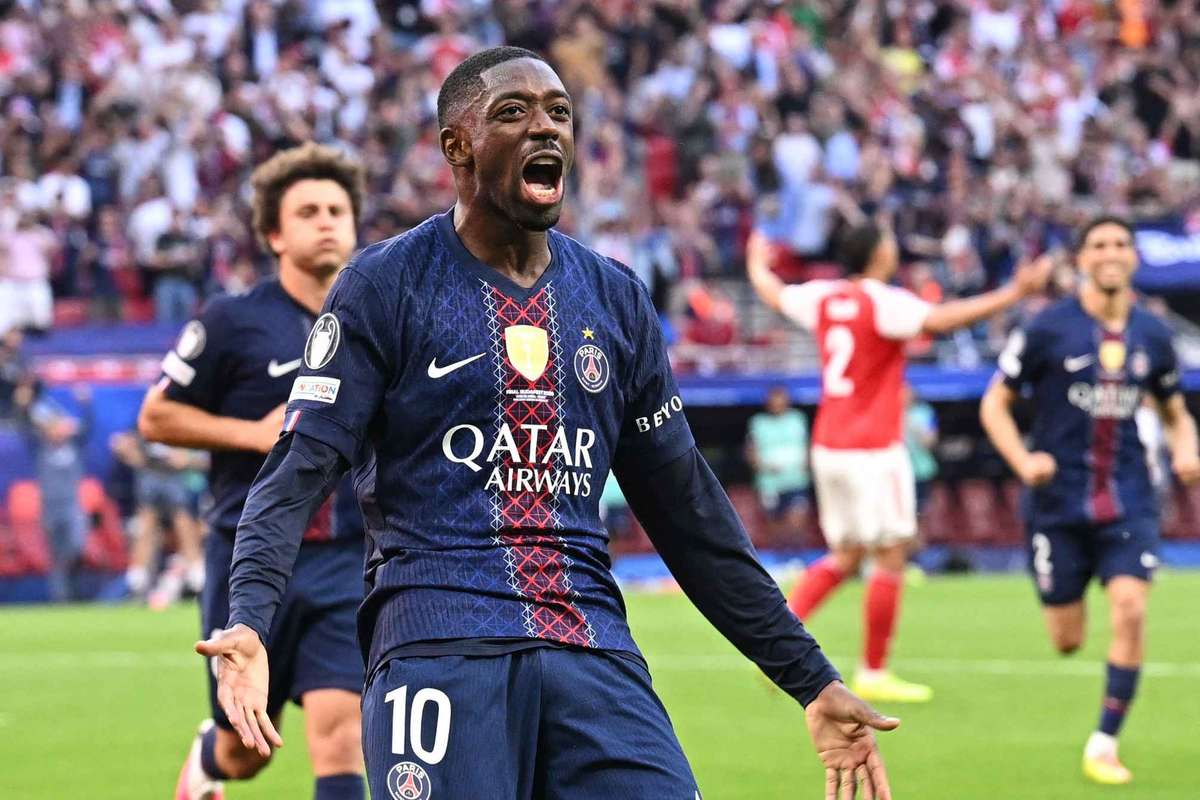
The uncertainty stems from three real pressures. First, the club narrative around reigning champion Dembélé is cooling: he won the Ballon d'Or in 2025 with 51 goal contributions and by helping Paris Saint-Germain to their first Champions League title; he still has 31 goal contributions this season, but has appeared in Ligue 1 just 22 times, with more of the workload falling on European competition, and if he wants to repeat the “clear winner” posture in 2026, he can almost only pin his hopes on a starring turn by France at the World Cup—and France are still favorites on paper at FIFA No. 1 with 1,877.32 points, but they have just drawn 0-0 with Turkey at the World Cup qualifying stage, and tournament form still needs to be validated in North America.
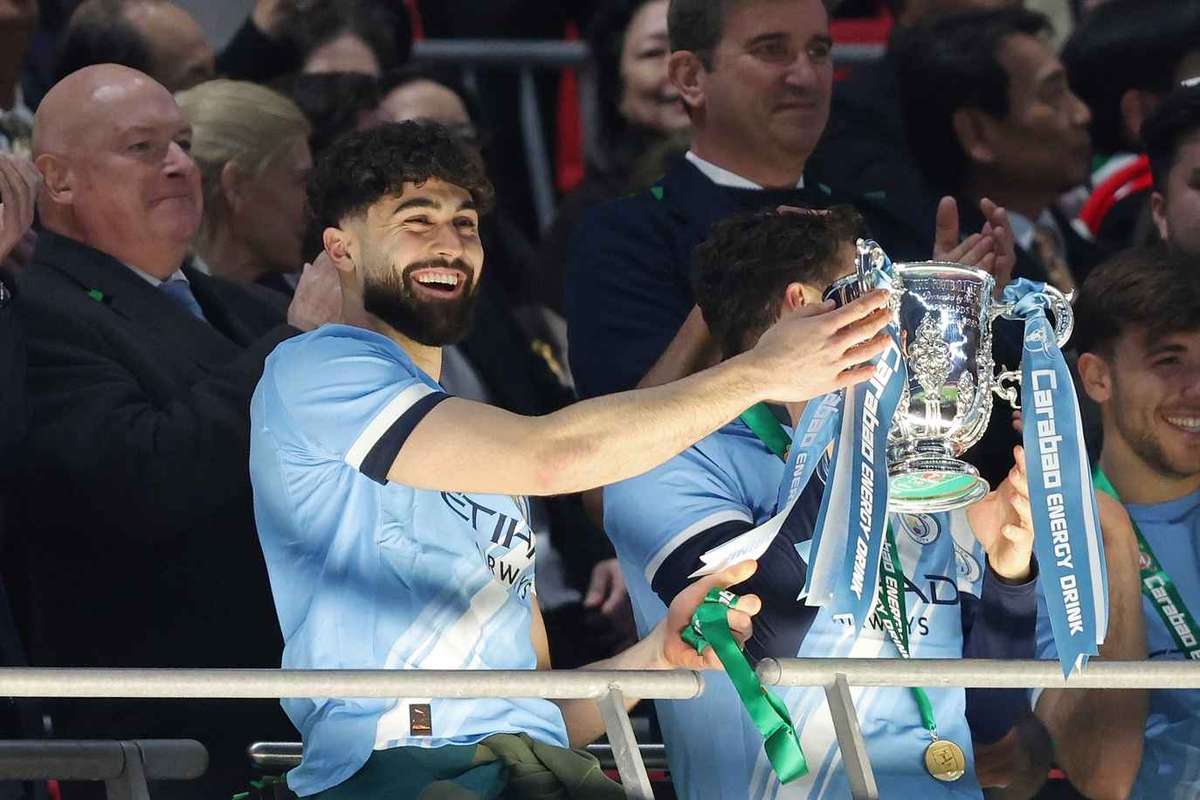
Second, Kvaratskhelia’s 19 goals and 11 assists, plus his Champions League Player of the Season award, make for a dazzling personal peak, but Georgia are ranked 72nd by FIFA and have already been ruled out of this summer’s World Cup; that “national team pathway” is institutionally shut off, and no matter how strong the voting bloc, replicating a Modrić-style comeback is hard.
Third, Vitinha finished third in last year’s voting, and his path is clearer: Portugal are FIFA No. 5 with 1,763.83 points, and recent World Cup qualifiers have ended 0-0 against Denmark and 0-0 against Wales, with defensive solidity intact; if the team go further in North America in upset fashion, the narrative around the midfield core’s orchestration and control will be amplified. By contrast, Spain are FIFA No. 2 (1,876.40), have just drawn 0-0 with England, and the Rodri-style template of “defensive midfield dominance plus tournament winner” is still being invoked—but whether it can be written again in 2026 depends on whether De la Fuente’s side can turn possession dominance into knockout-round goals.
Club Pedigree and National Team Ceiling
Real Madrid and Manchester City remain “Ballon d’Or candidate factories”: the Bernabéu holds 85,454 and the Etihad 55,097, and the two giants continue to give players high-exposure platforms in the Champions League and domestic leagues. Croatia are ranked 11th by FIFA on 1,717.07 points; their 0-0 World Cup qualifier against the Czech Republic means Modrić’s 2018 national-hero script still serves as the benchmark. Portugal, France and Spain sit fifth, first and second respectively — World Cup group draws and knockout paths will directly decide which midfielders, wingers and forwards get the “decisive moments” in the spotlight.
PSG, Bayern Munich and other clubs are often mentioned in the conversation, but this candidate set does not cover their club IDs; the text describes contributions on the pitch only. Dembélé and Kvaratskhelia’s Champions League and Ligue 1 numbers come from cited reporting — no unverified Bayern player details are added, so truncated information is not presented as settled fact.
Solution Through an Institutional Lens
Solution is not about predicting a certain winner, but about seeing how the “final 20% of votes” is often allocated by World Cup narrative: voters are still drawn to tags like “goals in big games,” “knockout-stage leader” and “member of the champions.” For Dembélé, the trip to North America is the only lever to restore his status as a “non-obvious winner”; for Vitinha, if Portugal go further, last year’s third-place vote bloc could shift toward first. For the Georgian winger who cannot take part, institutional reality weighs more heavily than individual numbers.
From a governance and communications standpoint, the season-long ballot ties club sponsor cycles and FIFA tournament cycles into the same evaluation window, which objectively raises the importance of national-team selection, injury management and mental load — which is why a string of 0-0 World Cup qualifiers (France vs Turkey, Spain vs England, Croatia vs Czech Republic, Portugal vs Denmark/Wales) gets read so loudly: they are not the finish line, but they already expose gaps in “last adjustments before a major tournament.”
Three Storylines to Watch
First, whether France can turn its FIFA No. 1 ranking into a World Cup title or at least a place in the final is directly tied to whether Dembélé can pull off a 2025-style ballot reversal. Second, how deep Portugal and Spain go in the knockout rounds will determine whether the Vitinha and Rodri template still has room to be replicated. Third, whether Croatia can once again write a 2018-style “small-nation long-arc story” and provide a new blueprint for a midfield superstar in the post-Modrić era. Once the World Cup kicks off, it is worth cross-referencing end-of-season club data with national-team minutes in tandem—this tracks current Ballon d’Or voting logic far better than simply chasing goal tallies.
Professional view: The 2026 Ballon d’Or race will not be a simple continuation of “club season winners,” but a combined ballot of “season winners plus World Cup narrative”; without participating or after a group-stage exit, even the strongest Champions League numbers will struggle to complete the voting loop. The North American summer will be the true final arbiter in an institutional sense.