

















From Group Top Spot to the Round of 32: England's Path to Advancement
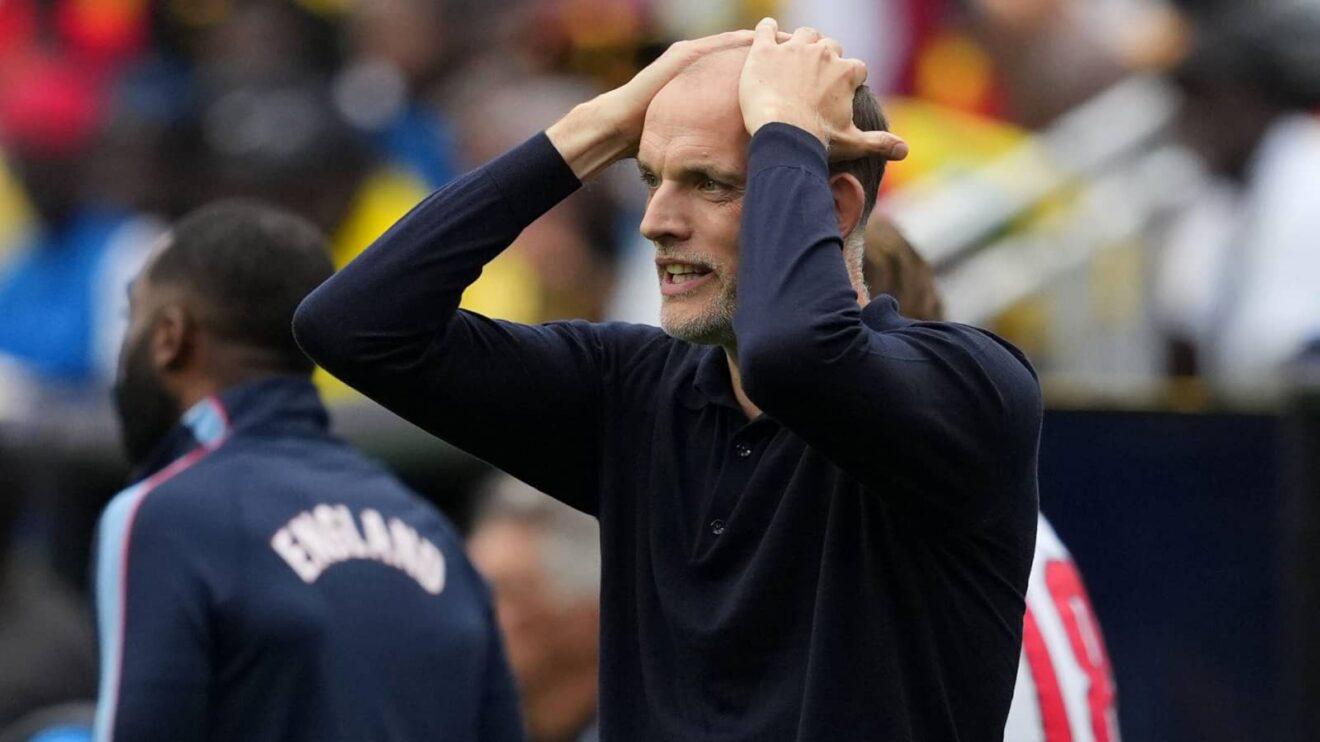
England beat Panama 2-0 in their final World Cup group-stage match, advancing as Group L winners. Under knockout bracket logic, finishing top of the group usually means avoiding certain traditional heavyweights in later rounds. Team media have also noted that if they keep advancing, they could face Mexico, Brazil, Argentina and others in succession. For Thomas Tuchel, reaching the knockout stage is only the first step—the real test begins in the Round of 32.
Based on platform data, England already have single-match technical statistics from this World Cup: they used a 4-1-4-1 formation, with 67% possession and an 89% pass completion rate, overall leaning toward possession-based build-up. That fits Tuchel's consistent system approach—secure the ball first, then create threats through midfield orchestration.
Why the Right Back Became the Starting Point of a "Chain Reaction"
In modern football, the right back is no longer just "a full-back who only defends." In possession-based systems, this position often takes on multiple roles: providing width, helping the midfield build play, and even tucking inside to become a third centre-back. Once injuries hit this spot, coaches usually face three options: field a specialist right back, deploy a centre-back as cover, or turn to a versatile wide player who can play multiple positions.
England have been hit repeatedly in this department at this tournament. Before kick-off, bad news kept coming from the right flank: Livramento was ruled out of the competition before it began through injury; Reece James missed the group-stage match against Panama. Jarell Quansah of Bayer Leverkusen—whose natural position is centre-back—was forced to fill in at right-back and had to leave the Panama game after spraining his ankle.
Round of 32 vs DR Congo: Why Spence has become the favourite
Multiple pre-match reports suggest Quansah is highly likely to miss Wednesday’s round-of-32 tie against DR Congo; James is likewise unable to return for this match, and his prospects of featuring—even as far as a possible tie against Ecuador—are growing increasingly uncertain. With both regular options unavailable, Tottenham Hotspur’s Djed Spence is widely seen as the most likely starter at right-back.
For DR Congo, this is no pushover: a FIFA-ranked 46th side whose ranking has been rising of late. Site data show they have used a 4-4-2 shape in a World Cup match, with 58% possession and 19 shots, giving them a degree of attacking threat. If England are to advance steadily through the round of 32, the quality of the first pass down the right and the reliability of recovery runs will directly determine whether Tuchel can control the game at his preferred tempo.
Midfield: Rice’s return and the single- vs double-pivot debate
Compared to the crisis on the right flank, there is relatively positive news from midfield: Arsenal midfielder Declan Rice was rested in the match against Panama and is currently expected to return for the game against the Democratic Republic of the Congo. Rice's value lies in defense; as for whether he must start, there are differing tactical views from outside. Manchester United legend Paul Scholes believes that against opponents like the Democratic Republic of the Congo, England need not insist on a "double pivot" setup and should instead stack as many attacking players as possible. In his view, Rice and Newcastle midfielder Elliot Anderson are in direct competition, and he would lean toward starting Anderson, who passes more progressively and has a stronger urge to drive forward.
Explainer: Squad Selection Logic in the First Knockout Round
The objectives of a Round of 32 match differ from those of the final group-stage game. In the last group match, having already secured qualification, coaches may rotate to preserve the fitness of key players; but in knockouts it is "win or go home," and any interim solution at any position must balance risk and reward. England's current situation is essentially injuries forcing Tuchel to choose between "familiarity" and "functionality": Konsa deputizing at right-back provides defensive height, but an ankle injury makes it unsustainable; if Spence starts, it comes closer to a proper right-back's tactical template.
Meanwhile, whether to deploy Rice alongside another more defensively oriented holding midfielder depends on Tuchel's judgment on match control—whether to prioritize possession to suffocate the opponent, or use more direct vertical progression to establish an advantage quickly. Neither approach is absolutely right or wrong, but both directly affect how many players England commit forward and how they use width.
Pre-Match Verdict: Pragmatic Choices Amid a Personnel Crisis
Heading into the match, England’s clearest signals were: Spence was likely to fill the gap on the right, Rice was expected to return to his central midfield role, and injuries to James and Guéhi were still limiting lineup options for the rounds ahead. For an England side aiming to go further, the round of 32 is not a stage to test the ceiling of their attack, but a checkpoint for systemic resilience and emergency capability—when injuries disrupt the ideal XI, whether squad depth and versatile players can slot in seamlessly often matters more than reputations on paper in determining knockout fortunes.