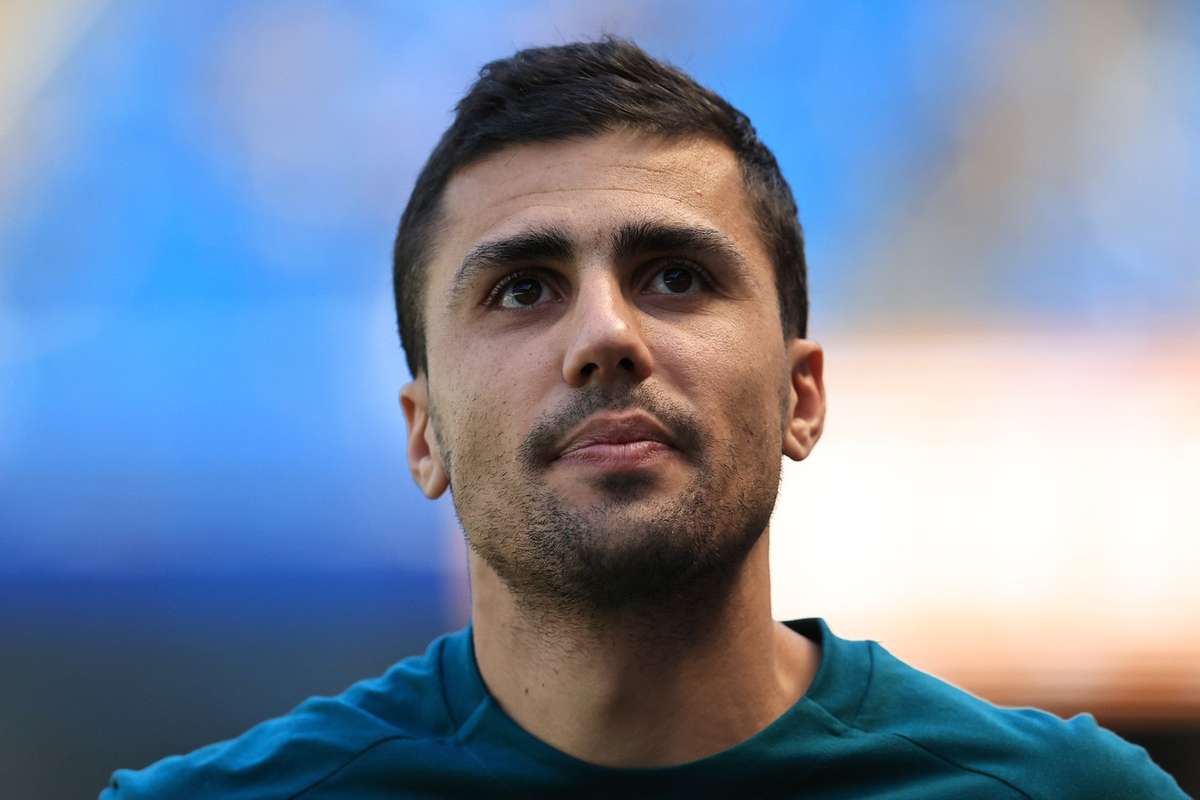















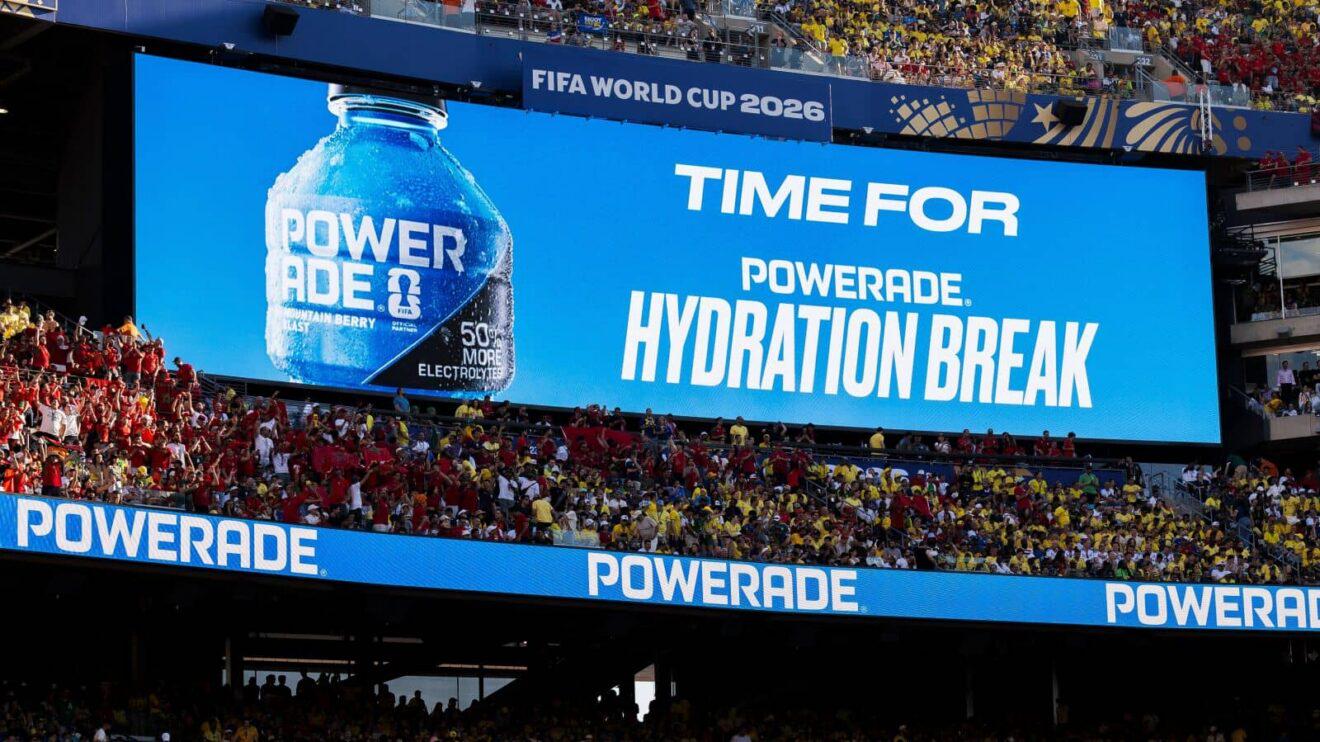
On Sunday in Dallas, the Netherlands and Japan played to a 2-2 draw in their World Cup opening-round match. Netherlands captain Van Dijk scored in the game, but afterward he turned his criticism toward FIFA—the mandatory hydration breaks made the match feel like it was chopped into four quarters, and he made clear he was not buying it.
The scoreline ended 2-2, but the action was far more intense than the numbers suggest. The Netherlands led twice and were pegged back twice by Japan; Van Dijk got on the scoresheet, yet the back line was mocked for turning "like a Boeing 747"—painfully slow. The Netherlands currently sit seventh in the FIFA rankings on 1757.87 points, while Japan are eighteenth on 1660.43; the gap looked clear on paper, but on the pitch it was a genuine, hard-fought tug of war.
2-2 in Focus and the Numbers Behind It
The stats outlined a closely matched contest. The Netherlands lined up in a 4-3-3, held 60% possession, completed 525 passes at an 88% success rate, took 10 shots with six on target, won five corners, and picked up three yellow cards; Japan responded with a 3-4-2-1, had 40% possession, completed 342 passes at an 84% success rate, also took 10 shots with three on target, and earned four corners. Both sides had the same number of shots; the Netherlands converted more efficiently, while Japan used a more compact shape to keep the scoreline locked. AT&T Stadium's roof provided shade, with temperatures around the touchline near 20 degrees Celsius—a subtle contrast with the "heat survival" narrative.
Hydration Breaks: Body Mechanics and Match Rhythm
The mandatory hydration breaks introduced at this World Cup have effectively split each half in two, with broadcast coverage frequently cutting to sideline water breaks. From a sports science standpoint, enforced hydration reduces dehydration risk and helps core body temperature come down—genuinely valuable during high-intensity action. But when games are played in near-ideal temperatures at shaded venues, the physiological urgency fades, while the cost is a blunt disruption to tactical rhythm: just as players enter their sprint heart-rate zone, the whistle pulls them from "fight mode" back into static recovery.
After the match, Van Dijk admitted he had watched almost every game at this tournament so far, and each hydration break was immediately followed by commercial advertising—an experience he found "uncomfortable." Neutral supporters' viewing experience suffers in the same way. His position was clear: if conditions on the pitch are sweltering, hydration breaks can remain, but they must be assessed match by match, not imposed across the board. He left it there with a wry smile—clearly, the 2-2 result had sharpened his frustration with the rule.
Commercial motives under scrutiny and a tactical upside
Off-field controversy was equally loud. Anonymous commentators argued bluntly that the mandatory stoppages looked like extra advertising slots for broadcasters, and that FIFA and the U.S. broadcaster "could not possibly have arranged the schedule without coordination"—with "player hydration" serving as little more than cover. This site cannot currently verify those claims, but a pattern confirmed across multiple matches is telling: the side under pressure often uses the stationary period to tweak its shape, giving the coaching staff a precious live correction window.
Some within the game also argue that football's appeal lies in having "only one halftime"—it is not broken into fragments by ads like basketball or American football. Whether hydration breaks should stay or be revised will likely remain a tug-of-war between player safety, broadcast pacing, and the purity of the sport.
What to watch next
The Netherlands and Japan each took a point from their opening games, leaving the path to qualification wide open. As the World Cup jointly hosted by the United States, Canada and Mexico progresses, it will be worth watching whether hydration breaks are applied flexibly based on temperature and whether their duration is adjusted. Public criticism from elite players such as Van Dijk will not fade easily—if the rule cannot win over those on the pitch, the noise off it will only grow louder.