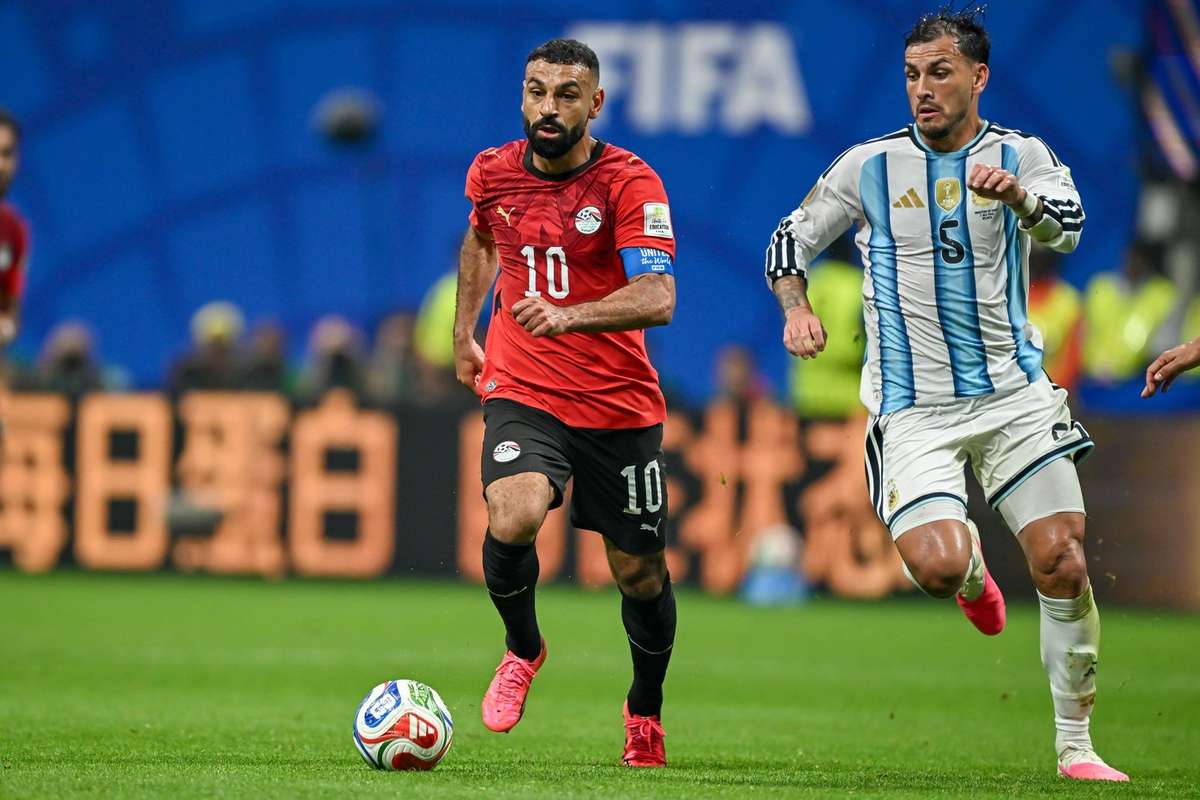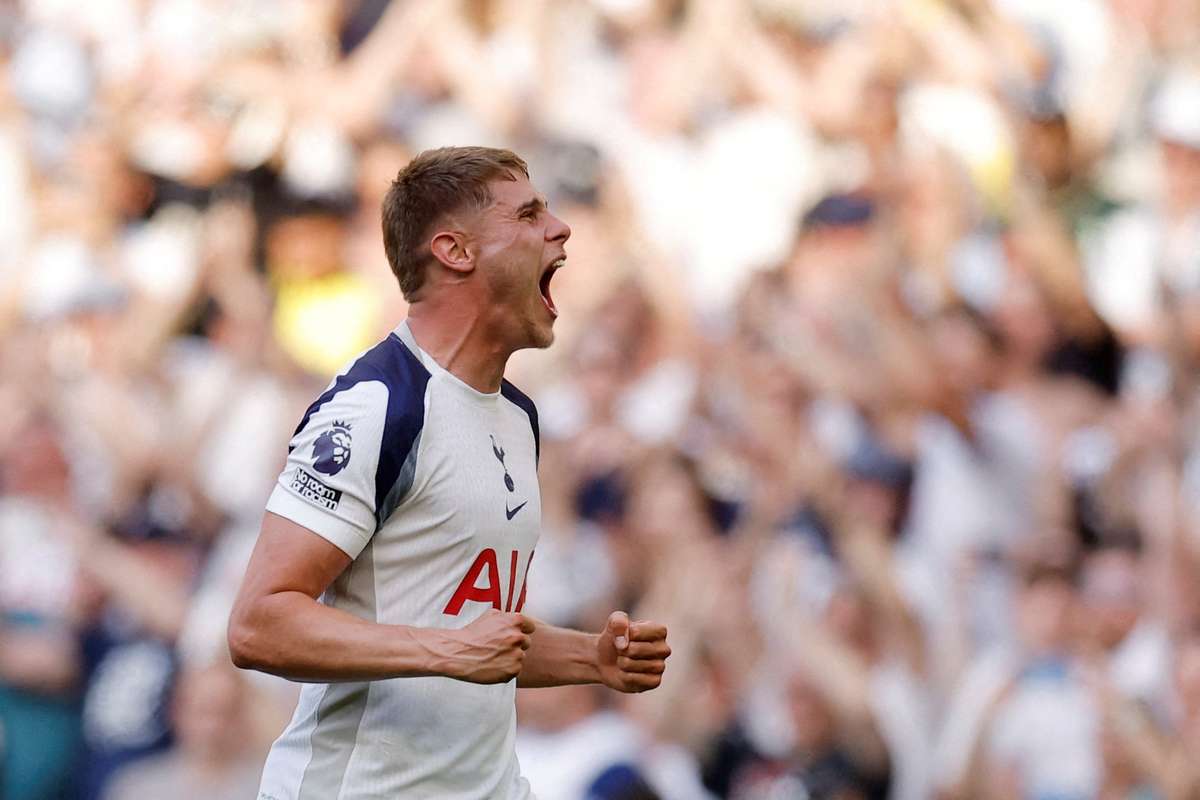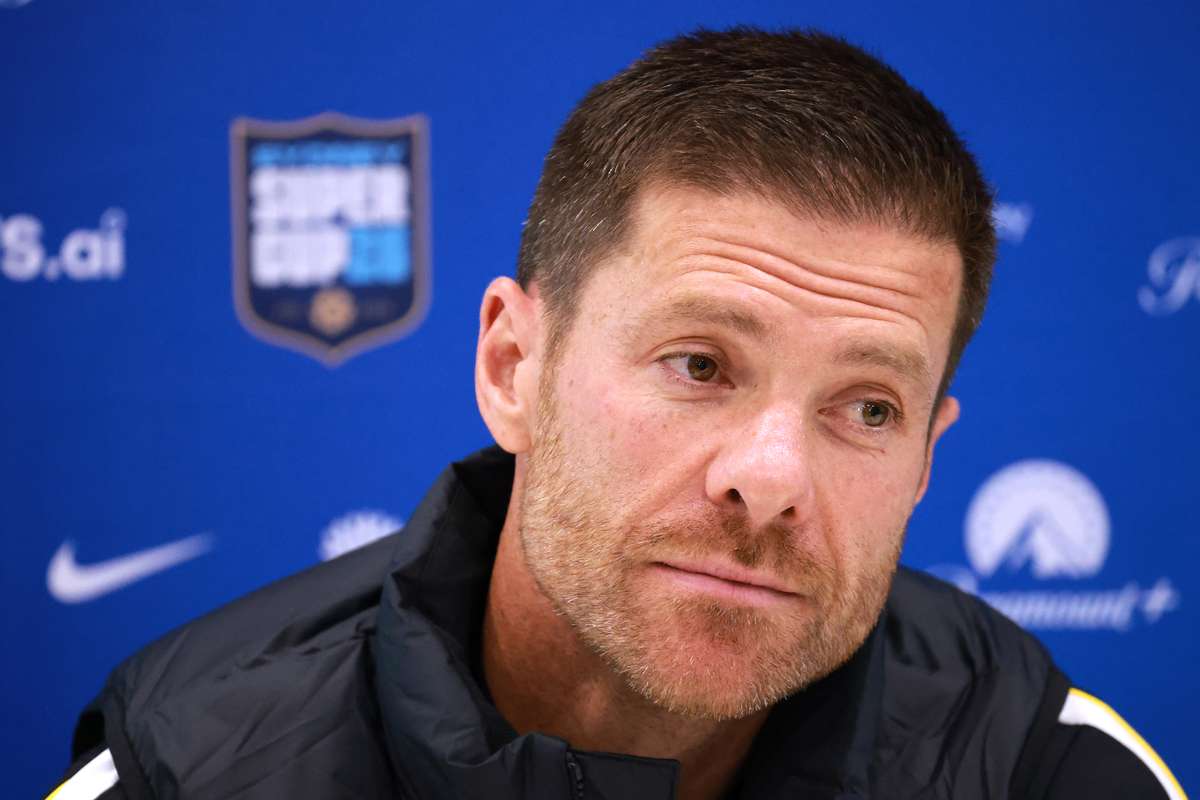


















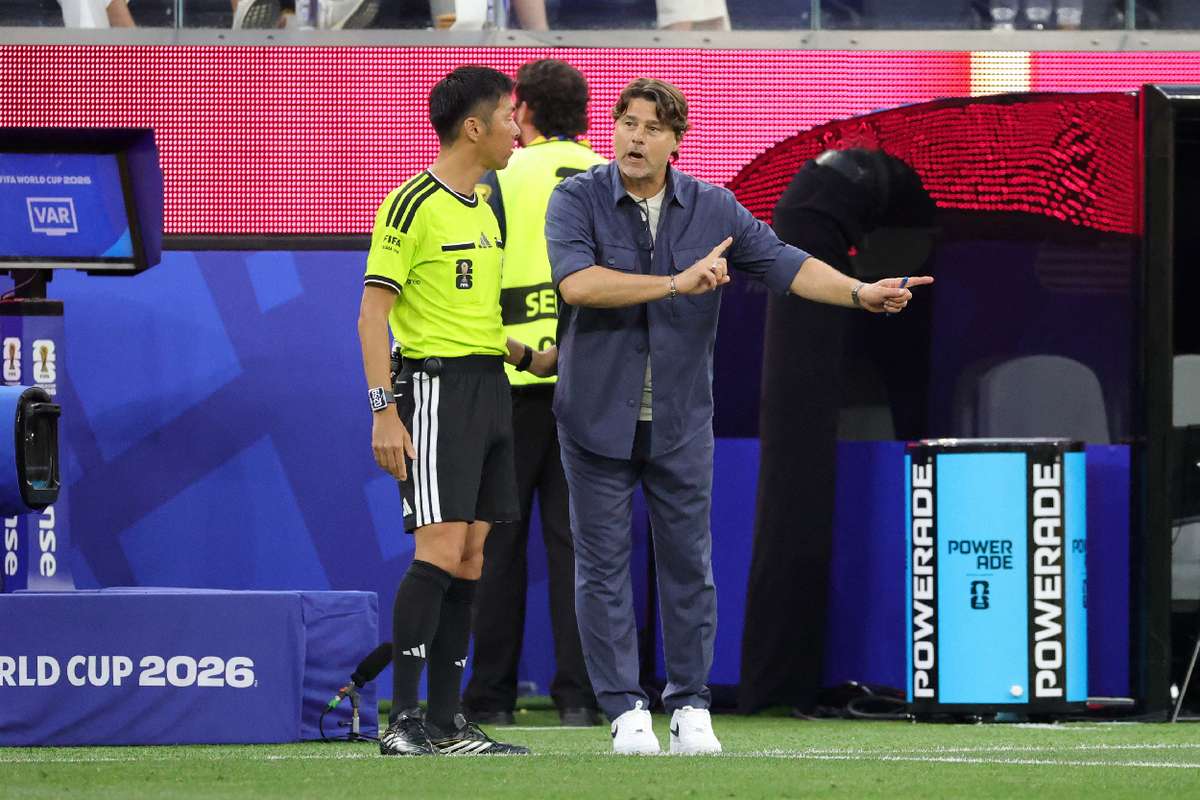
According to information at our disposal, host nation the United States produced a dazzling attacking display in World Cup Round 2 — scoring four goals in a single match to set a US World Cup record for goals in one game. Striker Folarin Balogun bagged a brace, becoming the first American player since the inaugural tournament in 1930 to score twice in a single World Cup match. Despite standout performances from Balogun, Christian Pulisic and Weston McKennie, head coach Pochettino credited the win to the entire team pulling together as one after the final whistle.
Collective rhythm trumps individual brilliance
Pochettino repeatedly leaned on the word "collective" at his post-match press conference. In his view, the victory was not simply a case of a few attackers catching fire — it was the pressing triggers up front, the tempo of midfield switches and the defensive cover behind them all clicking within the same tactical framework. He said plainly: "This is a collective way of playing." Players shielding one another on the pitch and making off-the-ball runs to create space for teammates — those details stacked up to produce four breakthroughs against the opposition back line.
The atmosphere in the stadium also weighed on Pochettino's scales. He described the roar from the stands as "incredible" and said that when fans invest themselves that way, "we can play incredible football." For a host nation, home energy and tactical execution often amplify each other — and explain more than paper strength alone why the attack kept finding shooting angles at key moments.
Balogun rewrites the record as the attack hits stride
From a technical standpoint, Balogun's two goals showcased a striker's first touch in tight spaces and the timing of his runs—he was able to adjust before defenders could close him down and turn those chances into goals. Pulisic's work on the left flank and in the final third—his receiving, dribbling, and final passes—gave the attack a different rhythm; McKennie's pressing and forward runs in midfield eliminated an unnecessary lateral pass in the United States' transition from defense to attack. Together, the three formed the offensive backbone of this emphatic win.
The significance of four goals goes beyond the scoreline. For U.S. soccer, it marked the first time the national team scored four in a single World Cup match, while Balogun's individual milestone etched this night into the record books. Behind the attacking numbers was the coherence of the entire front line across pressing, link-up play, and finishing—not reliance on a single moment of magic.
Pulisic Subbed Off at Halftime with Injury; Recovery Management Becomes a Concern
Beyond the victory, one injury update kept the coaching staff from easing up: Pulisic was forced off at halftime after taking a knock to his calf. Pochettino did not provide a clear timeline for his return in the post-match press conference, but soft-tissue issues often require careful handling during a congested schedule—training load, ice treatment, and whether to risk starting him in the next match will all directly affect the width and depth of the attack on the left.
From a squad management perspective, this is exactly the kind of test a long World Cup campaign presents: wins can be celebrated, but injury risks cannot be deferred until the knockout stages. Pochettino also reminded the team that this victory was "only the beginning of the tournament," with tougher tests ahead to probe the squad's depth.
The Payoff of Extended Camp Time: Training Cycle Reshapes Selection Logic
Pochettino also highlighted what sets this US camp apart from past national team gatherings—the squad had already been together for weeks before the World Cup kicked off. In previous international windows, teams often had only a few days of joint training, with coaches doing more “picking the squad” than building a team; this extended spell together allowed him and his staff to truly refine tactics from the touchline, correct positioning, and build understanding. For a Pochettino system built on collective movement and pressing chains, that training density translates directly into the on-pitch flow where “everyone knows what comes next.”
Group D ahead: Turkey and Australia await
The US still have Turkey and Australia to come in the group. The latter sit 27th in the FIFA rankings on 1,580.67 points and have recorded consecutive clean-sheet draws in recent Asian qualifying, with a relatively compact defensive shape. For the Americans, the real test on the path to the knockout stage and beyond will be how to keep their attack firing while managing Pulisic’s minutes, and how to maintain fitness and cohesion through a demanding schedule.
The four-goal win has already shown what this attack is capable of; what Pochettino wants now is for “collective” to mean something in every round that follows.