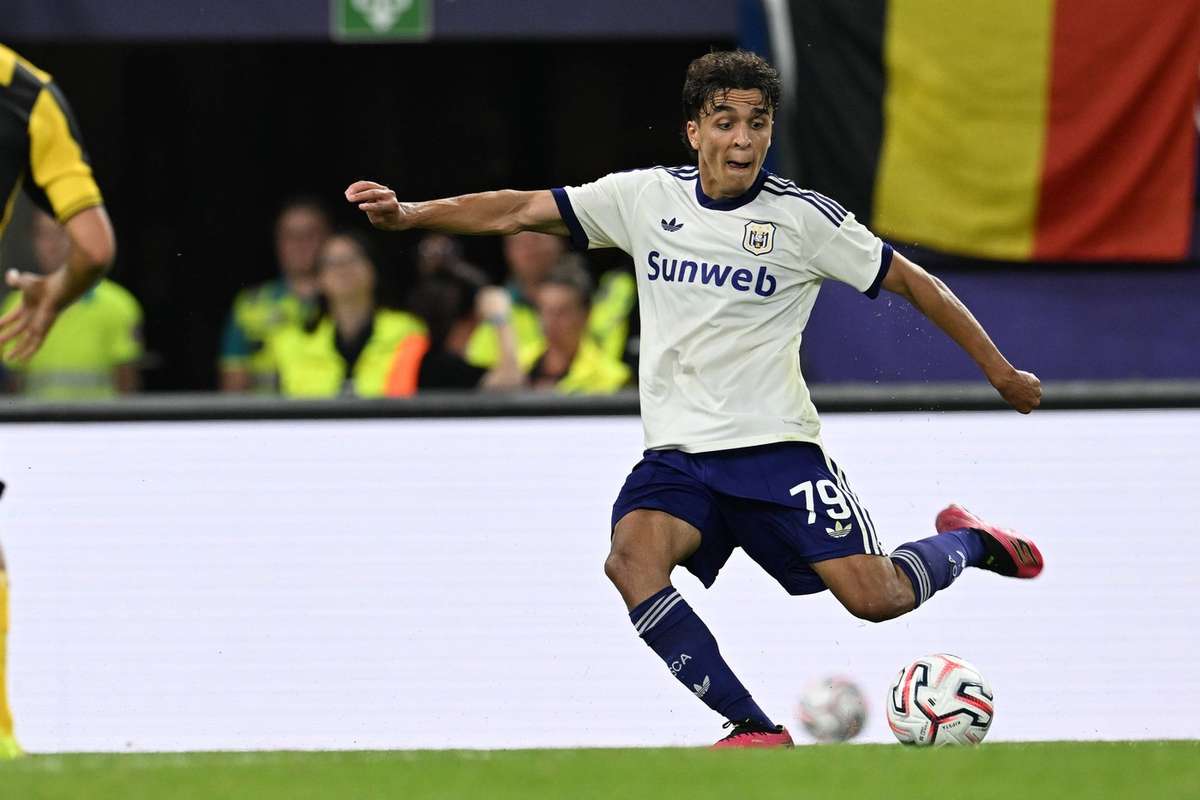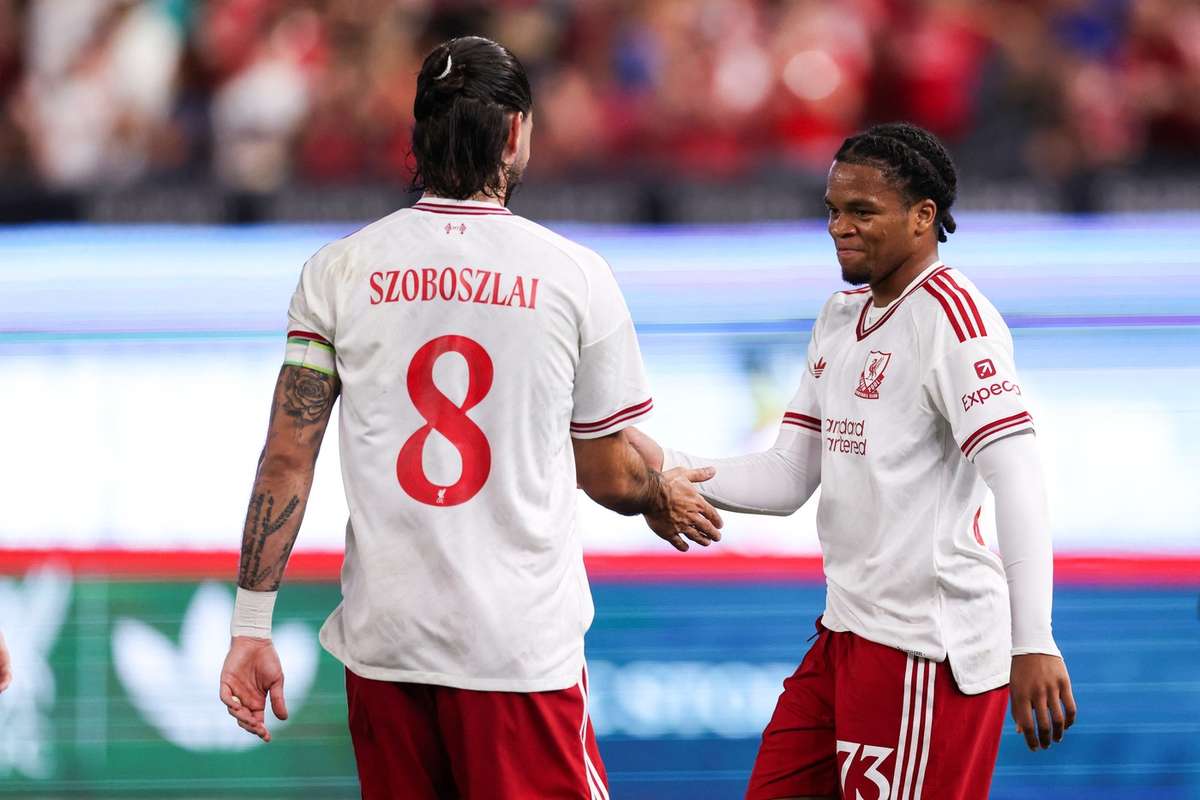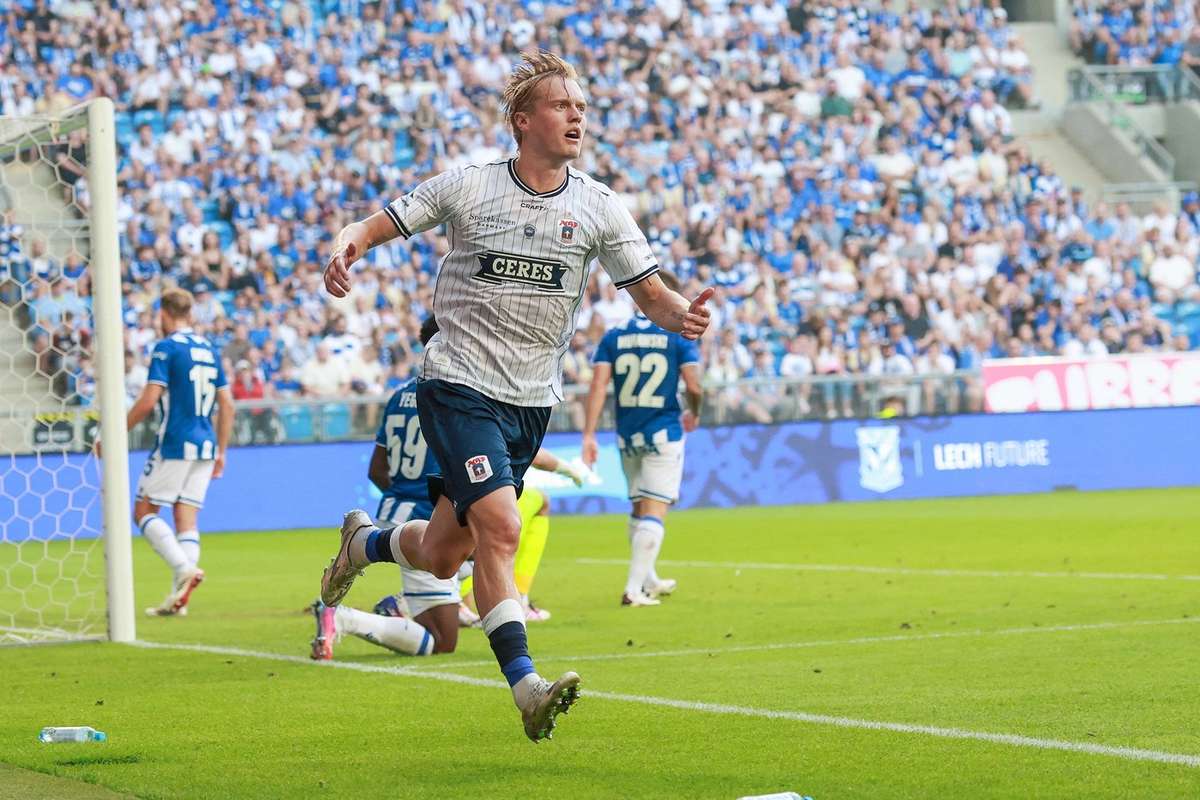


















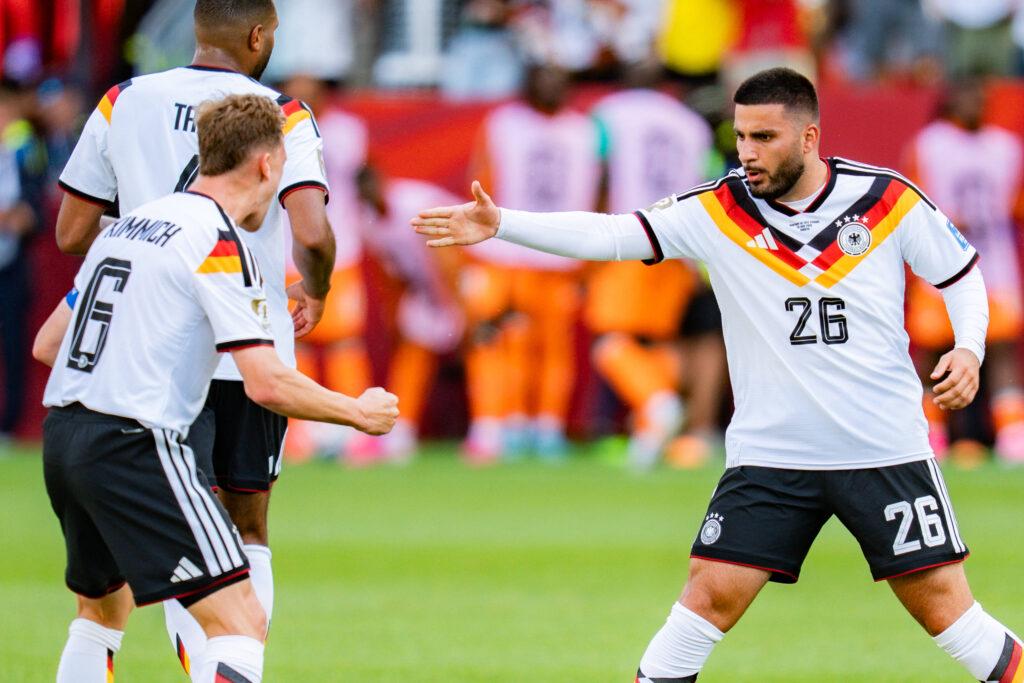
At BMO Field in Toronto, Germany completed a comeback in their Group E marquee clash at the World Cup: trailing 0-1 at half-time, substitute striker Deniz Undav scored twice in just 30 minutes to help his side beat Ivory Coast 2-1. A crowd of 43,036 witnessed a match turned on its head by a super sub off the bench.
Trailing at Half-Time, Germany Needed Someone to Step Up
For Germany, this was not a match they could take lightly. Ranked tenth in the FIFA standings, the Germans found themselves on the back foot in the first half against an in-form African side ranked 34th in the world (up three places from the previous rankings). Ivory Coast struck first, and Germany went into the dressing room trailing by a goal—for a team targeting qualification from the group, such a start meant someone had to break the deadlock in the second half.
From the coach's perspective, substitutions are often not about gambling on luck, but betting on the chemistry built through long-term alignment between players and the tactical system. Undav had not started a match at this tournament before, but his form in training and instincts in front of goal led the coaching staff to trust him at the crucial moment. As it turned out, this approach of putting in the extra work in camp and daring to deploy when it matters works just as well on the World Cup stage.
30 Minutes, 13 Touches That Changed the Game
After the break, Undav came on as a substitute. He played only 30 minutes in all, with just 13 touches across the match, yet managed three shots—all on target, two of which found the net for a decisive brace. His expected goals (xG) stood at 0.93 and expected goals on target (xGOT) reached 1.14, showing that the chances he got were of decent quality and his finishing placement was sharp enough to compress his limited minutes into maximum output.
Beyond finishing, Undav also completed two key passes, with an expected assists value of 0.09. He completed seven of eight passes for an 88% success rate; after entering the opposition half, he was six for six, a 100% passing success rate. He made one ball recovery and committed one foul—overall a substitute performance full of energy, with details still to refine: two heavy touches, three turnovers, and one duel lost, but the flaws did not overshadow the impact. What a substitute striker must deliver is exactly "less time, high value."
Numbers Don't Lie: Possession Edge Finally Converted to Victory
Technical statistics from this site's database further painted the full picture of the match. Germany had 59% possession, 16 shots and seven on target, 622 passes at 89% accuracy, and eight corners; Ivory Coast had 41% possession, nine shots and two on target, 431 passes at 85% accuracy, and three corners. Germany lined up in a 4-2-3-1 and Ivory Coast in a 4-1-4-1—the former clearly dominated territorially, but it was not until Undav's introduction that that advantage was truly written on the scoreboard.
For Ivory Coast, the psychological buffer built by leading at half-time was quickly dismantled by two precise blows in the second half. The Elephants have recently drawn 0-0 against Ghana, Somalia and others, and their defensive resilience is well known; but on the World Cup stage against a top-ten ranked opponent, failing to hold a lead can directly impact their qualification prospects.
From Stuttgart to the National Team: Undav's Turning-Point Night
For Undav personally, this is likely to become a pivotal turning point in his career. The Stuttgart forward had already proven his finishing ability at club level, but on the international stage at major tournaments, he had not previously earned a starting role—being a substitute, the pressure of World Cup knockout football, strong opposition and trailing on the scoreboard: these three factors combined are most likely to expose a player's mental weaknesses. Yet in the tightest time window, he answered every doubt with a performance of three shots, three on target and two goals.
What is more noteworthy is that he has not wasted any clear scoring chances in this tournament so far—every touch has been close to a "genuine threat." For an attacker who has not yet locked down a starting spot, such an efficiency curve often speaks louder to the coaching staff than an ordinary start—because it proves not luck, but that his decision-making in front of goal and movement habits are already mature.
Group standings and what to watch next
After this match, Germany secured a crucial three points in Group E, laying the groundwork for control of their qualification fate; Ivory Coast, meanwhile, must quickly shake off the shadow of being overturned, with every subsequent match a must-win. For German fans, beyond the scoreline, what is worth remembering is the depth on the bench: when the starting XI cannot break the game open, there is still someone on the substitutes' bench who can change the match within 30 minutes—that is an essential piece of the hallmarks of a tournament winner.
Next, Germany will need to see whether Undav can turn this night's explosion into consistent output; Ivory Coast must reassess their defensive discipline and counter-attacking efficiency after taking the lead. The Group E story is far from over, but on this Toronto night, at the very least, a substitute striker pulled Germany back from the brink with two goals—and earned himself greater trust in the process.