

















According to information we have, England are aiming to end a six-decade curse as they prepare to kick off their campaign at the World Cup, jointly hosted by the United States, Canada, and Mexico. The Three Lions will open against Croatia in Dallas, before also facing Ghana and Panama in the group stage. Under Tuchel, England are widely regarded as favourites to top Group L and are expected to join the likes of France, Portugal, Spain, and Argentina in pushing for deep runs in the tournament.
Qualifying data says it all
Based on their qualifying run, England have already offered a convincing sample: eight wins from eight, 22 goals scored and none conceded. That “high press plus quick transition” rhythm is exactly the system Thomas Tuchel has repeatedly refined at club level—players need not take excessive individual risks; the team compresses space to the limit, then finishes through collective progression. Applying that logic at the World Cup means England need not rely on star-driven breakthroughs in every match, but can first lock in their defensive baseline and then hunt for gaps in the opposition shape.
Site data shows England currently rank fourth in the FIFA standings on 1,825.97 points; their group opponents are Croatia (11th), Ghana (74th) and Panama (33rd). The gap on paper is real, but World Cup group stages are never a straight cashing-in of the rankings—Croatia’s midfield control and big-tournament experience, Ghana’s physicality and transition speed, and Panama’s resilience in a Texas home atmosphere will all test whether the Three Lions can carry their qualifying clean-sheet discipline into the finals.
Kane: Not a Target Man, but a “Game-Reading Striker”
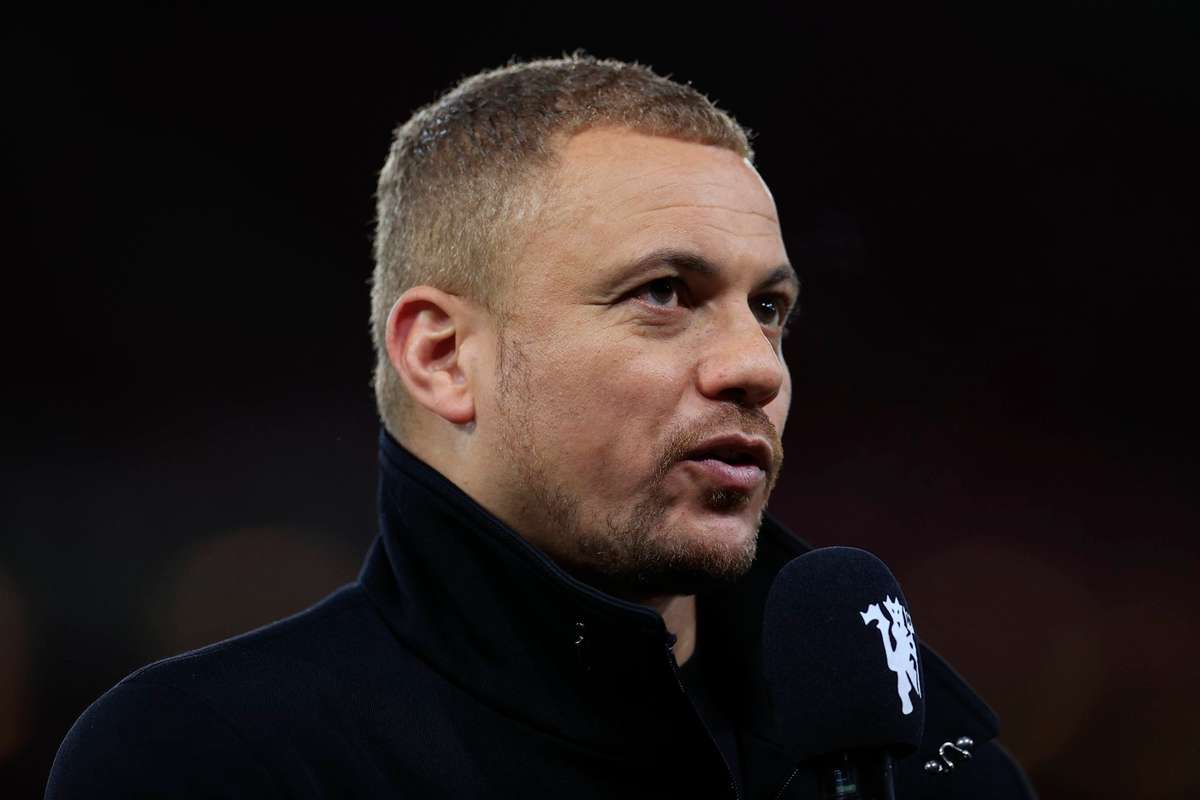
A former England international who played for Manchester United told our reporting team on the ground: Harry Kane is the “key” to how far England can go. Kane has scored 61 goals this season; the numbers need little explanation. More important is the way he plays—he is not the traditional target striker who uses his body to hold up play and shield defenders in the box, nor is he a winger-style forward who cuts inside from the flank or beats opponents with successive tricks.
In simpler terms, Kane plays as a “decision-making No. 9”: he rarely makes pointless sprints or relies on flashy individual moves, instead finishing through being half a step ahead with his runs, the direction of his first touch, and his reading of the goalkeeper’s positioning and angle at the moment of shooting. Opposing defenders may initially feel he is not “difficult enough to handle”, but they are often punished before they know it by his low driven finishes or shots through the legs — the product of long-term match reading, not a flash of inspiration.
The former international also stressed that Kane has taken on greater responsibility since becoming captain, and his emotions on the pitch have become more stable; as long as he maintains his enjoyment of the game, England’s attack will always have a “predictable finishing outlet”. In a system where Tuchel emphasises team rhythm and space management, the value of a striker who does not need heavy involvement in possession but can efficiently convert chances will be further amplified.
Selection snub sparks debate: Tuchel places big bet
Compared with the unanimous optimism surrounding Kane, the absence of names such as Harry Maguire, Cole Palmer and Phil Foden from England’s final squad still surprised outsiders. The former international believes Tuchel’s decision to “leave out big names” was not an oversight but a clear tactical choice: with a packed World Cup schedule, every substitute on the bench must be able to slot immediately into the prescribed runs and pressing intensity, rather than simply boarding the plane on the back of domestic league reputation.
Palmer and Foden boast exceptional on-the-ball creativity at club level, but the Three Lions have already shown in qualifying that a “collective over individual” approach works; Maguire remains an experienced centre-back option, yet he missed out on the final 26-man squad under Tuchel’s higher demands for build-up play, positioning and defensive cohesion. For fans it is an emotional loss; for the coaching staff, it means using limited spots on players who better fit the template of off-the-ball movement, quick counter-pressing and low-block defending — an extension of Tuchel’s familiar selection logic at international level.
After qualifying, the real test begins
If England take top spot in Group L as expected, they are likely to face elite European or South American opposition earlier in the knockout stages. France currently rank first in the FIFA standings, Spain second, Argentina third and Portugal fifth — names that mean any lapse could be punished in an instant. Former internationals remain optimistic about England’s prospects: a qualifying record of clean sheets, Kane’s reliable finishing, and Tuchel’s ability to make tactical adjustments at major tournaments form the core of the Three Lions’ confidence at this World Cup.
The opening match against Croatia will be the litmus test: whether they can carry coordinated pressing from training into tournament tempo, and whether they can maintain build-up quality under midfield pressure, will directly shape the group’s fortunes. For us, what is most worth watching is not just the scoreline, but how Tuchel manages intensity over 90 minutes — that often says more than a winning start about how far England can go.