











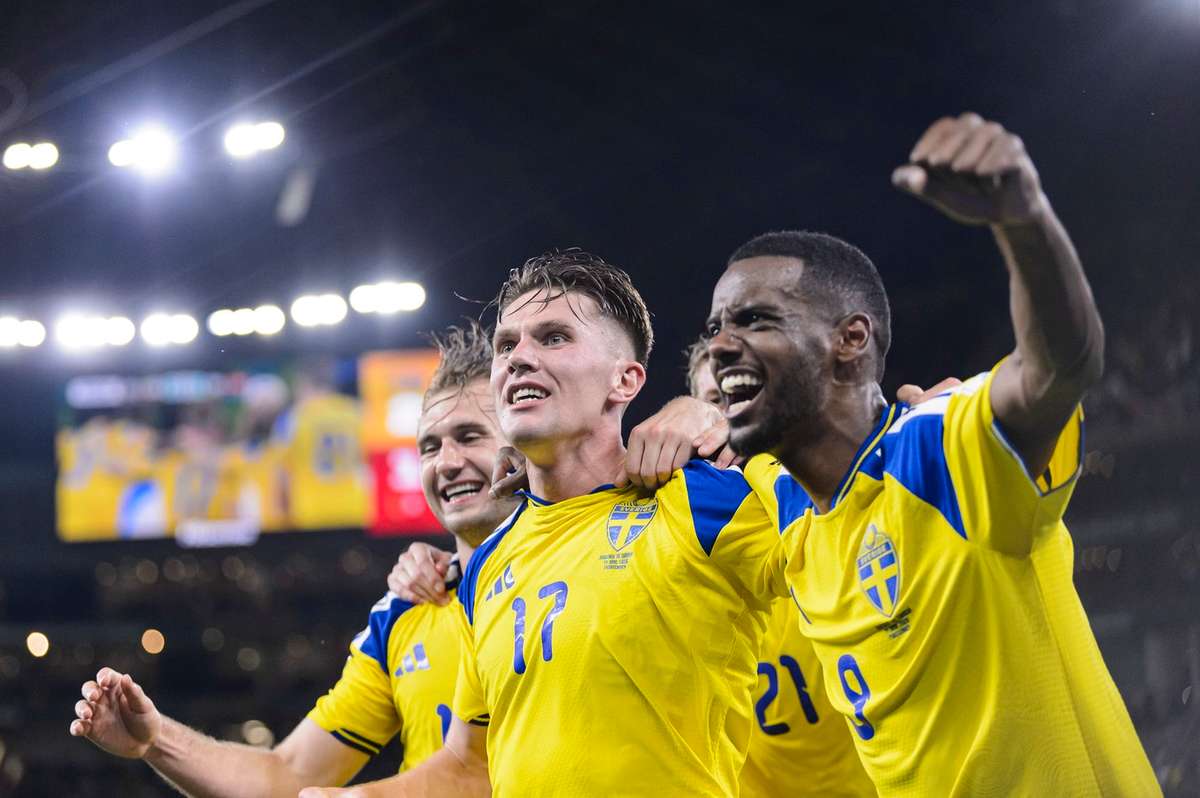
Sweden thrashed Tunisia 5-1 in Monterrey, Mexico to claim three crucial points in their World Cup Group F opener. With Netherlands and Japan — two major threats still in the chase behind them — this was virtually a must-win for the Blue-Yellow, and they delivered, sealing a four-goal victory that left qualification firmly in their own hands.
Never falters when it matters
If you run the numbers on 32-team knockout qualification, three points plus a positive goal difference is often enough to advance from the group. Sweden not only took all three points here but also stretched their goal difference to +4, giving themselves a cushion ahead of the tough fixtures to come.
Looking back at their path to the tournament, Sweden failed to win any of their six competitive World Cup qualifying matches, yet earned a playoff berth through their UEFA Nations League ranking — in line with the site's data profile: they drew 0-0 with Poland in the 2026 Nations League cycle and their form was patchy overall, but in the playoffs they beat Ukraine and Poland in successive ties, scoring 11 goals across two legs to complete a stunning turnaround. In friendlies, they suffered a heavy defeat to Norway and were held to a late draw by Greece, with public pressure at one point driving dressing-room morale to its lowest point in years.
However, under Graham Potter, Sweden have shown a clear big-game pedigree: two do-or-die playoff ties plus this group-stage win make it three victories in his tenure, with 11 goals across those three matches. FIFA’s latest rankings place Sweden 38th, up four spots from the previous list; Tunisia are 44th, up three — neither side is a traditional elite powerhouse, but Sweden answered every doubt with results when points were non-negotiable.
Dual-striker experiment: the numbers look good, the chemistry still needs work
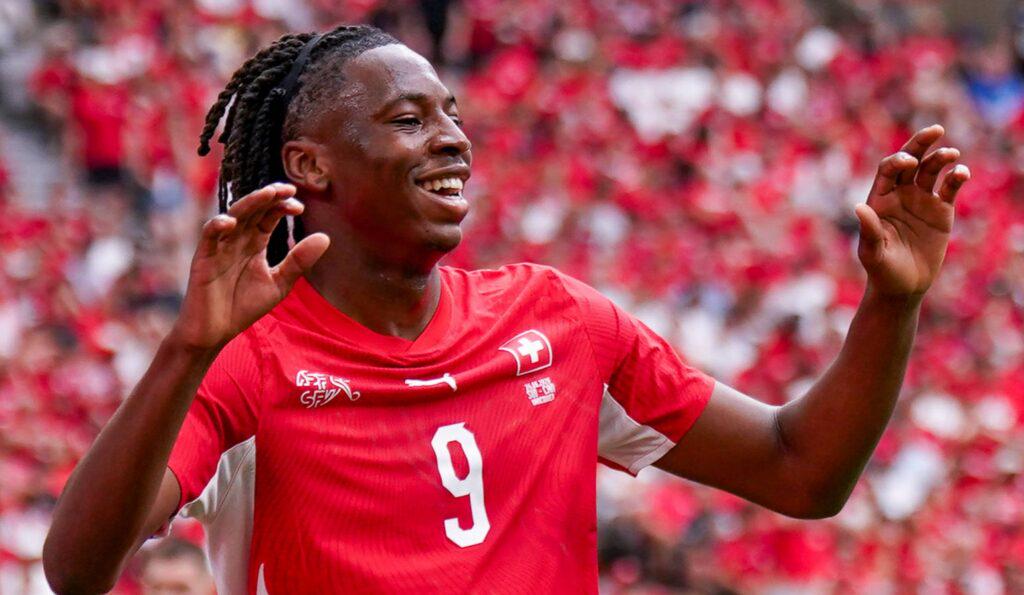
The biggest tactical talking point was Potter’s bold call to start Alexander Isak and Viktor Gyökeres together. Each scored once, and the goals were linked: Gyökeres fed Isak down the left, who cut inside and finished low into the far corner; later, Isak’s press high up the pitch forced an error, and Gyökeres swept in the rebound. On finishing alone, the front pair delivered on Potter’s selection.
Pull the lens back, though, and the issues are just as clear. Early on, Gyökeres went alone from distance and fired wide; for much of the game the two seemed to be hunting space on their own rather than working in sustained wall-pass combinations. Isak’s goal was still essentially a solo cut inside and finish; Gyökeres’ second carried a deflection’s worth of fortune — two stars on the pitch, output met, chemistry not yet at full throttle.
That contrasts with the March playoffs, when Gyökeres as a lone No. 9 was seen by many as the smoothest attacking phase of Potter’s reign. Switching to a twin-striker setup now leaves space occupation and movement roles needing more sample size. Against higher-pressing sides like the Netherlands and Japan, whether Sweden keep stacking firepower or drop into a tighter 4-3-3 will be the central variable for the next two games.
Space and tempo: the structural logic behind the 5-1
From the flow of the match, Sweden likely took control in the first half and extended their lead after the break. The final 5-1 scoreline suggests they created enough high-quality chances in transition and from set-piece follow-ups. For Tunisia, conceding five goals points to a breakdown in how they handled the twin-striker rotation — gaps emerged in central protection and the link between midfield pressing and recovery up front.
Potter's tactical approach in this game leaned toward "opening the game first, then controlling the tempo": with defensive stability in friendlies in question, he chose to offset the risk with attacking firepower. The five goals spread across different periods also reflect that Sweden did not ease off too early — in a format where goal difference can decide qualification standings, this was a rational points strategy rather than simply chasing a statement win.
Qualification picture: Netherlands and Japan ahead, Sweden seize the initiative
F Group's remaining opponents represent a clear step up in quality. The Netherlands are ranked seventh in the FIFA rankings with 1,757.87 points and are the group's top favorites; Japan are 18th, recently drew 0-0 with Qatar, cautious in form overall but historically reliable on the counter. After this win, Sweden can at least compete with potential rivals on goal difference and need not take excessive risks in upcoming fixtures.
For Sweden fans, what is worth taking away is not just the scoreline but also the psychological asset of "winning when the pressure is on." In the playoffs and the group-stage opener, the team delivered when written off; facing the Netherlands and Japan next will test whether Potter can evolve the twin-striker system into a genuine tactical dual core rather than two goal scorers operating independently.
What to watch next
Sweden's next match pits them against the Netherlands, with intensity set to rise significantly from the Tunisia game. Key areas to monitor: whether midfield can maintain passing quality under pressure, whether the twin strikers' movement develops fixed patterns, and defensive line depth when facing pacey wide forwards. If they can at least pick up points against the Netherlands, Sweden's goal-difference cushion from this match will give them more comfortable tactical options in the final group game against Japan.