










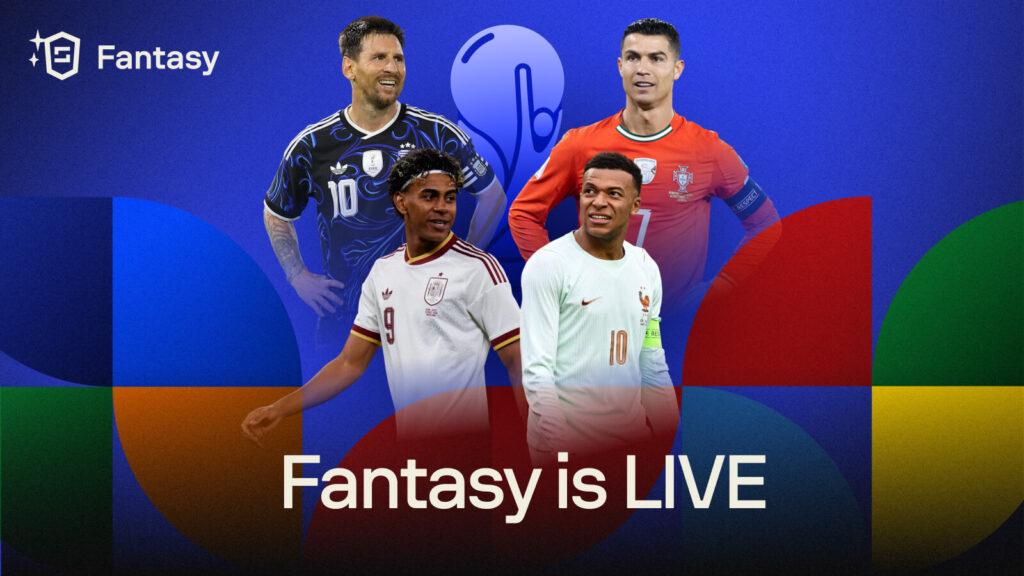
ScoreZ has officially announced that its 2026 FIFA World Cup fantasy football game is now live. With the tournament expanded to 48 national teams, a six-week schedule, and 104 matches in total, this World Cup sets new records in both scale and format. Fans are no longer mere spectators on the sidelines—from the opening match at Azteca Stadium to the final at MetLife Stadium, every user can step into the manager’s role, pick a 15-player squad, set a starting XI, and rack up points in real time based on actual match performances.
104 matches, 48 teams: a new test for fan engagement
A 48-team field means more upsets, more rotation, and more overlapping matchdays. From the quarter-finals onward, every game is played in the United States, with cross-time-zone broadcasts and staggered kick-off times directly affecting fans’ squad selection and transfer windows. Traditional “pick the winner” play struggles to cover a six-week marathon, so platforms need a rules framework that can keep pace with the fixture density and withstand the shocks of the knockout rounds—that is exactly why ScoreZ Fantasy was launched.
Scoring system: more than goals and assists
The scoring logic covers attacking play, passing, defending, and goalkeeping, with all data drawn from ScoreZ’s live statistics. Midfield goals earn 5 points and assists 3; key passes, long balls, and successful dribbles carry extra bonuses. Defenders who rack up tackles and interceptions and keep a clean sheet often offer better value in a single gameweek ranking. The design pushes all-round players to the fore and nudges the game closer to semi-professional evaluation logic, discouraging a one-dimensional “stack the strikers” strategy.
Transfer limits: eased in stages as the tournament progresses
Transfer rules are tightly aligned with the tournament structure. Before the tournament and before the Round of 32 begins, users can make unlimited lineup changes to respond to injuries, squad surprises, and opening-round form; during the group stage, each round is limited to three transfers, rising to five from the Round of 16 onward. The cap on players from the same team is also eased in stages — up to three during the group stage, rising to as many as seven before the final. Upon entering the knockout phase, the budget receives an additional €5 million. There is only one "triple captain" token for the entire competition, and when you use it directly shapes mini-league standings; the system is clearly designed to reward "decisions at key moments" rather than day-to-day fine-tuning.
Live adjustments: swaps and captain changes after kick-off
Unlike most comparable products, ScoreZ allows users to make substitutions or change captain after a round has started, provided at least one player in the squad has not yet kicked off; players who have already appeared are then locked. For the 2026 World Cup, with its many concurrent matchdays, reading the schedule and building your lineup is institutionally elevated to a core competitive skill.
Rules in practice: a new way into the longest World Cup run
The on-site schedule shows that group-stage fixtures for the 2026 World Cup are already set from mid-July, with some matchups still awaiting kick-off. Launching fantasy football essentially turns the expanded 104-match tournament into a quantifiable, comparable user engagement product. For ordinary fans, it is a window to understand format changes through the lens of the rules; for the platform, it is a crucial step to build users and data assets across the biggest World Cup cycle in history. Injury lists, outsider teams, and knockout storylines ahead will keep testing whether this scoring and transfer framework can hold up under six weeks of high-density scheduling.