

















One verdict to bring the conversation back to the title
Less than a few hours after the final group-stage match, in the BBC Sport studio, Danny Murphy did not rush to label England. The former midfielder who once patrolled the Premier League midfield is in the habit of breaking matches down into details and slowly putting them back together — and the conclusion he offered today was hardly cautious: this team “has a chance to win the World Cup,” though there is still one “small problem.”
That line spread quickly on social media not because it was loud enough, but because it landed exactly on the emotional line England fans know best: no World Cup title since 1966, and this team now led by Thomas Tuchel took maximum points from three group games, yet still has not fully convinced everyone.
A stale first half, a breakthrough second half
Against Panama, England did not play smoothly in the first half. The opponents set up in a 5-4-1, blocking the middle and half-spaces tightly; the Three Lions dominated possession but struggled to find the rhythm for that final pass and final shot. The stats backed up that impression: England had about 67% possession, 17 shots and 6 on target; Panama had 12 shots and 2 on target with just 33% possession, yet their compact defence kept the score locked at 0-0 until after the break.
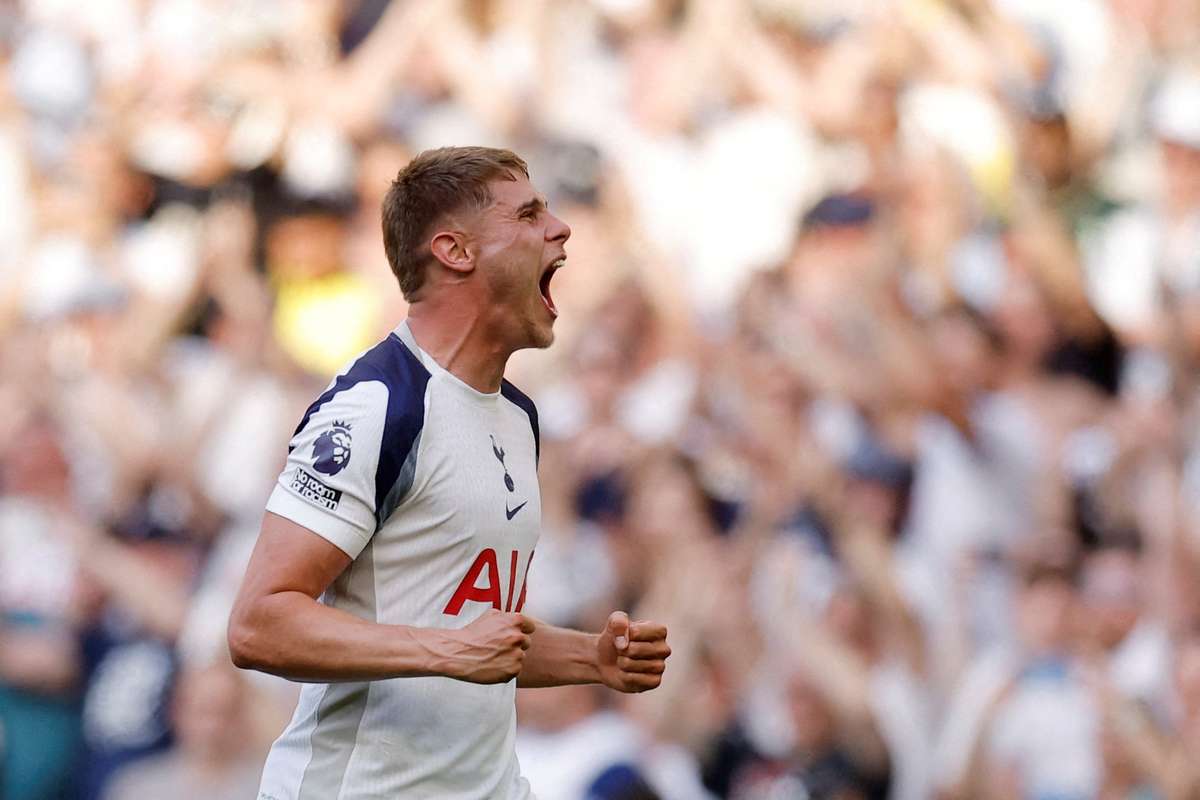
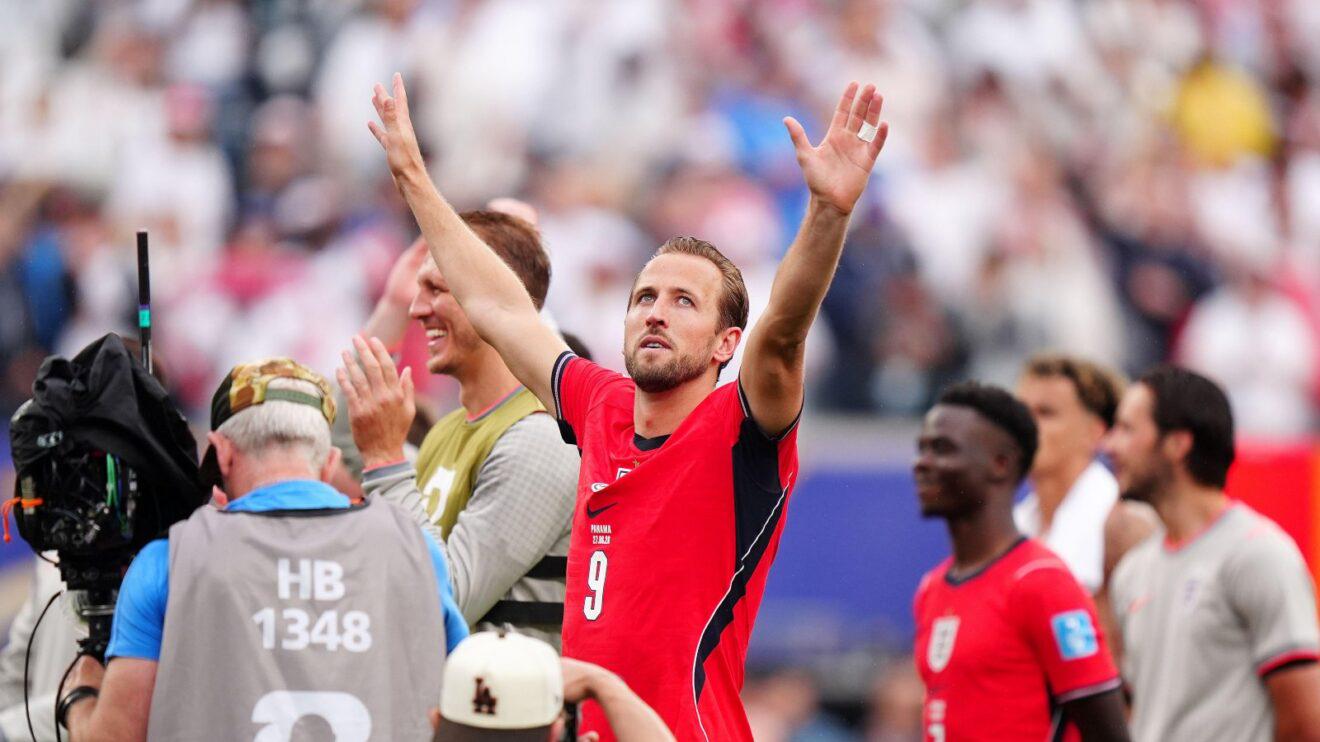
The 62nd minute changed everything. Jude Bellingham met Bukayo Saka's corner and headed home from close range — England's first hammer blow to break the game open. Five minutes later, Harry Kane added a second, sealing a 2-0 win and the final three group-stage points. With that victory, England advanced as group winners; their Round of 16 opponent will be DR Congo.
Murphy did not shy away from the sluggishness of the first half in his review. He acknowledged that group-stage opponents varied in level and style, making it unfair to draw definitive conclusions from these matches alone; but he also pointed out that when facing stronger sides and the pitch opens up, England's most dynamic players tend to thrive.
"Little problem": Right flank and breaking down compact defenses
Murphy's "little problem" points to two areas.
The first is the right flank. Depending on when Reece James can fully return to his best, the right-back position may still carry some risk. Tuchel wants the team to press high consistently and dominate possession — a approach that naturally leaves space on the counter — and Murphy is not opposed to that; he even said "I quite like where England are right now," implying the risks are manageable and the direction is right.
The second is quality and pace in the final third. Against low-block opponents packed behind the ball, England sometimes lack that moment of inspiration to split the defense. Murphy put it bluntly: they need "a little more quality and speed." That aligns closely with the first half against Panama — possession and passing accuracy were fine, but the final touch was always half a beat late.
Two People, Carrying the Weight of “Having a Chance”
If Murphy had to compress his judgment into the strongest evidence, he would put the names of two players on the page.
Bellingham is one of them. Murphy says that across recent major tournaments, he has been among England’s most consistent performers; even with a slightly adjusted role in this match, that confidence and willingness to take on key moments never changed. “He creates big occasions, he makes magic happen”—that is not politeness, but recognition of a big-tournament personality.
Kane is the other, and also the core reason in Murphy’s view for why “England still have a chance to win the title.” People almost take it for granted that he should score in every game, and more often than not he does; the captain’s armband and the label of England’s all-time top scorer, in Murphy’s eyes, together form the anchor of England’s ceiling.
The phrase “tournament player” appears again and again in Murphy’s narrative. Neither Bellingham nor Kane are the type to pad stats only when things are going well—they step up when responsibility is required. Two goals in the second half of the final group-stage match embodied exactly that temperament.
From Group Qualification to the Knockout Threshold
England under Tuchel have been assessed by Murphy as “solid” at the start of this World Cup—steady and sturdy, but clearly still a distance from that summer of 1966. The Three Lions, fourth in the FIFA rankings, still have a gap between their on-paper strength and their group-stage performance that has “not been fully fulfilled.”
The upcoming match against DR Congo will be a different kind of test. African opponents are physically robust and quick in transition; whether England can extend the efficiency of those 15 minutes in the second half against Panama across an entire match will determine how far they go in the knockout stage.
Murphy did not offer a promise of winning the championship; what he offered was a more cautious path that also fits football logic better: the squad direction is right, the core players are right, the tactical ambition is right—as long as concerns on the right flank remain manageable and their ability to break down compact defences improves another notch, the narrative that a World Cup title is not out of reach holds up.
For England, this is probably exactly the level of public sentiment they need: neither getting carried away by a perfect group stage nor writing off the entire team because of a dull first half. With one interview, Murphy shifted the conversation from "did they win?" to "can they win it all"—and that is the real question of a World Cup season.