






With less than two weeks until the opening of the 2026 World Cup, the 48 competing nations are in the final push to confirm their squads. Mexico has become the first to announce its 26-man final selection, with head coach Javier Aguirre set to lead Mexico through North America; their group-stage opener is scheduled for June 11 against South Africa.
Squad rules: The final window from 55 to 26
This edition of the World Cup has expanded to 48 teams. Each nation must submit a provisional list of up to 55 players to FIFA by May 11, with at least four goalkeepers included. Only players on that extended list are eligible for the final 26-man squad; the final selection must contain between 23 and 26 players, with a minimum of three goalkeepers.
Teams may announce their final squads at any time before FIFA’s June 2 deadline, but all 48 rosters only take official effect once FIFA formally confirms them on June 2. After that, squads can still replace players due to injury within 24 hours of their first kickoff—provided the replacement comes from the previously submitted provisional list and receives FIFA approval. Goalkeepers have a special clause: if permitted, a sick or injured goalkeeper may be replaced at any point during the tournament by another goalkeeper from the provisional list.
Mexico’s 26: Ochoa anchors the squad, Jiménez brothers included
Mexico’s announced final squad is broken down by position as follows.
Goalkeepers: Guillermo Ochoa (AEL Limassol), Raul Rangel (Guadalajara), Carlos Acevedo (Santos Laguna).
Defenders: Jesus Gallardo (Toluca), Cesar Montes (Lokomotiv Moscow), Jorge Sanchez (PAOK), Johan Vasquez (Genoa), Israel Reyes (Club América), Mateo Chavez (AZ Alkmaar).
Midfielders: Edson Alvarez (Fenerbahçe), Orbelin Pineda (AEK Athens), Roberto Alvarado (Guadalajara), Luis Romo (Guadalajara), Luis Chavez (Dynamo Moscow), Erik Lira (Cruz Azul), Gilberto Mora (Tijuana), Brian Gutierrez (Guadalajara), Obed Vargas (Atlético Madrid), Alvaro Fidalgo (Real Betis).
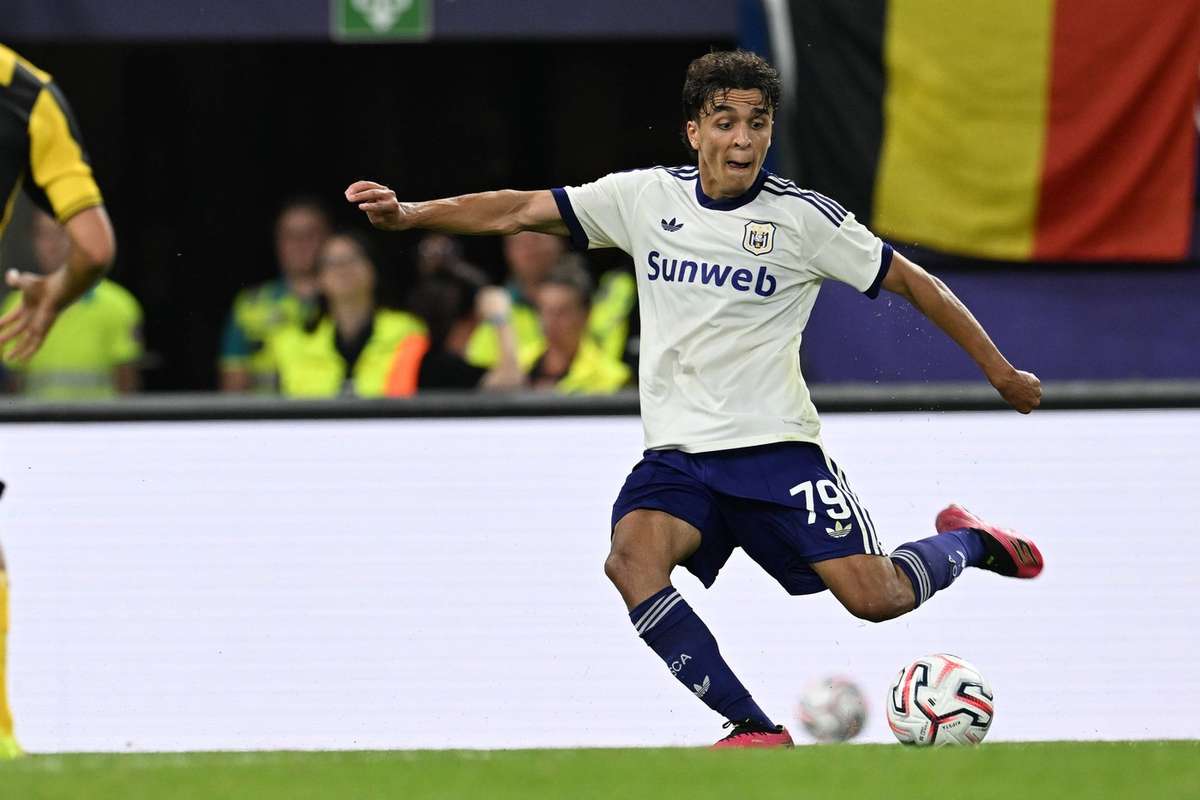
Forwards: Raul Jimenez (Fulham), Alexis Vega (Toluca), Santiago Gimenez (AC Milan), Cesar Huerta (Anderlecht), Julian Quinones (Al-Qadsiah).
The clubs in parentheses are the sides each player represented in his last official match before the World Cup—the yardstick fans worldwide most often use when debating squad picks.
Where the social media buzz comes from: veterans, returnees from abroad, and “Made in Mexico”
Mexico's squad selection has quickly sparked debate among fans, and the buzz is no accident. Guillermo Ochoa is heading to his fifth World Cup, and his reputation as a big-game goalkeeper is already deeply ingrained; Raul Jimenez and Santiago Gimenez represent the returning forward line from the Premier League and Serie A respectively, and their club form and roles for the national team are staple talking points in the Mexican media in the run-up to the tournament.
In midfield, Edson Alvarez anchors Fenerbahce and serves as the steadiest shield in front of the back line; Obed Vargas comes through Atletico Madrid's youth system, while Alvaro Fidalgo plays for Real Betis, reflecting the continued flow of Mexican talent into Europe's top leagues. At the same time, domestic league faces such as Raul Rangel, Roberto Alvarado and Brian Gutierrez remain in the squad, balancing the narratives of overseas-based core players and domestic form—which is also why Javier Aguirre's selection logic has been dissected repeatedly on social media.
FIFA Rankings and Group A Opener: Mexico 15th, South Africa 60th
According to the latest FIFA rankings, Mexico have 1681.03 points and sit 15th, up one place from the previous update; South Africa have 1429.73 points and remain 60th, unchanged from last time. The other two teams in the group, England and France, rank 4th and 1st respectively—England on 1825.97 points, France on 1877.32 points after rising two places to top the rankings; Scotland are 43rd on 1498.35 points, down five places.
On paper, Mexico hold a certain edge against South Africa in their opening match, but there is no such thing as a guaranteed win in a World Cup group stage. As Africa's representative, South Africa's physicality and counter-attacking tempo at major tournaments have long been factors that European and American sides must respect. For Aguirre, the opener on June 11 is not just a chance to pick up points—it is also the first real test of how his 26-man squad gels and how his tactical plan holds up.
48-Team Squad Round-Up: England, Scotland and France Still Waiting
This roundup covers all 48 participating teams. Apart from Mexico, the final squads for traditional powerhouses such as England, Scotland, and France are still being confirmed one by one—some teams have chosen to release provisional lists publicly, while others are keeping a low profile until FIFA confirms everything on June 2. For fans, this is both an information vacuum and the most heated phase of debate: who made the cut, who missed out, who is carrying an injury, and who got in at the last minute—every social media update is magnified and dissected.
From a commercial and broadcasting perspective, the 48-team format means more national-team storylines are brought to life. As one of the host nations among the three North American countries, Mexico’s squad announcement naturally carries greater exposure; players with influence in European leagues, such as Jimenez and Santiago Gimenez, will also shape the pre-tournament marketing rhythms of their clubs and sponsors.
What to Watch Next
June 2 will be a key milestone: only after FIFA confirms the official squads for all 48 teams will each side’s lineup truly be “locked in.” Mexican fans should now keep a close eye on three types of information—players’ form in the closing stretch of the club season, tactical experiments in friendly matches, and speculation over the starting lineup for the June 11 opener against South Africa.
For Aguirre, the 26-man squad is only the starting point. How Mexico seizes the initiative in Group A against England, France, and Scotland (exact opponents in the group subject to the official schedule) will depend on goalkeeper rotation, midfield toughness, and attacking efficiency—and that will determine whether Mexico can go further amid the home atmosphere.