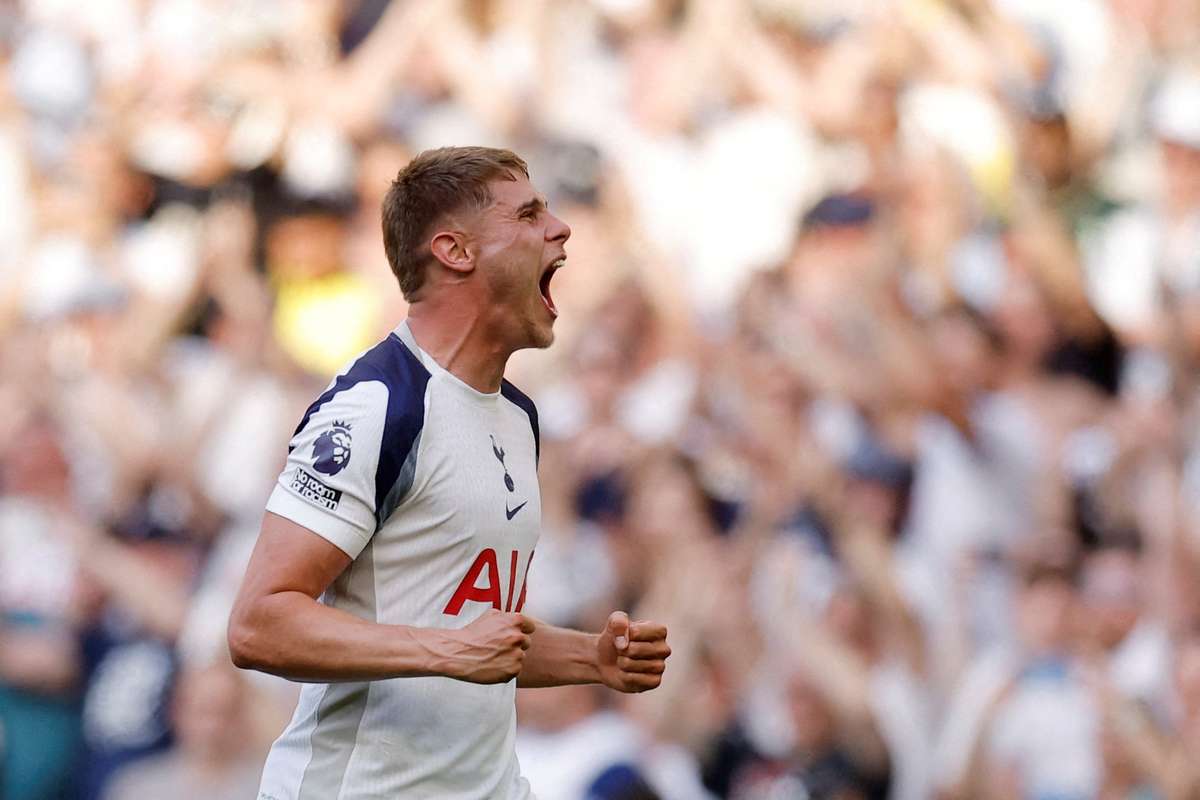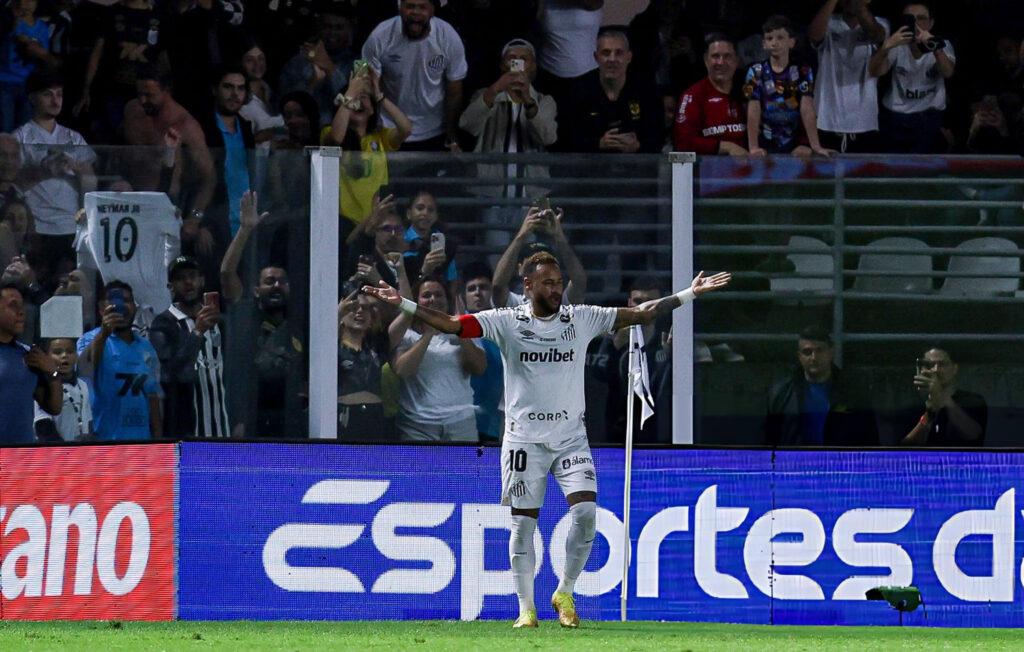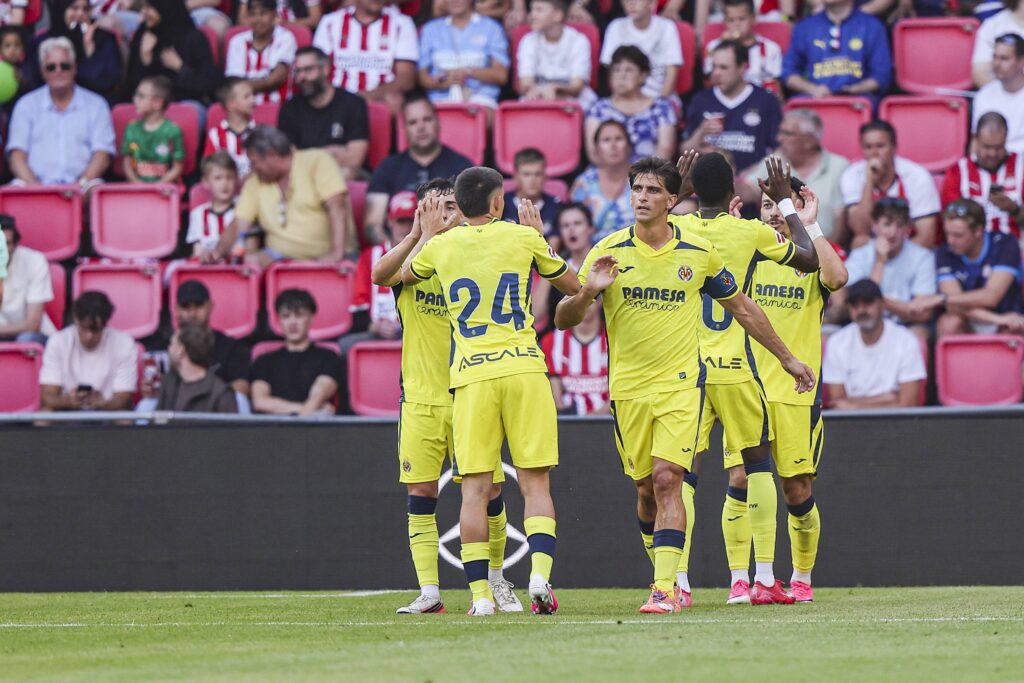


















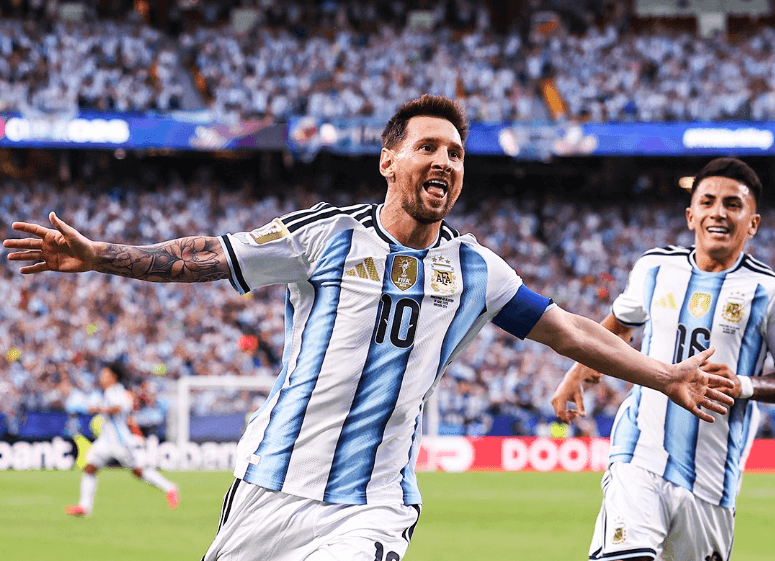
Messi delivered a near-perfect performance in the opening stage of the 2026 FIFA World Cup: he scored a hat-trick to lead Argentina to a 3-0 win over Algeria at Arrowhead Stadium in Kansas City, setting a commanding tone for their Group J campaign. Nearly 69,000 fans in attendance witnessed a finishing masterclass built on “few touches, high conversion”—Messi played 80 minutes, took six shots with four on target, found the net three times for a 50% conversion rate, scored with both feet, netted twice inside the box and added another from long range outside it, took no penalties, and turned efficiency into a personal showcase on his World Cup debut.
Shot Selection and Physical Load: Why Efficiency Trumped Possession
Site data shows this was a classic “less possession, more threat” affair: Argentina had 48% possession, 10 shots and six on target; Algeria held 52% possession, completed 607 passes at a 92% success rate, but managed seven shots without a single one on target. For Messi personally, 57 touches show he did not slow the game by hogging the ball—instead, he delivered high-quality finishing in key areas—1.03 expected goals and 1.57 expected goals on target, yet he actually scored three, well above model averages. This “low-volume, high-conversion” pattern is also easier on a 34-year-old striker’s body: fewer pointless sprints and duels, with energy saved for six shots and 37 passes (81.1% success rate). Being substituted after 80 minutes also fits the common approach of managing workload in an opening tournament match.
The shot distribution is worth breaking down as well: of six attempts, four came from outside the box and two from inside, with only one originating from a set piece. The four long-range efforts meant Algeria’s center-back line had to push up continuously, while the two penalty-area runs punished delayed covering. One goal with each foot, plus another left-footed finish, showed opponents could not restrict his finishing angles by shutting down his preferred side — a structural problem for North African sides that rely on low-block defending. The one missed gilt-edged chance and one offside also served as a reminder that even a near-perfect, top-rated display still had room for refinement, yet the next attempt was often still into the corner or forced a save from the goalkeeper, and the rhythm was never broken.
Spread dynamics: Why a group-stage opener went viral so quickly
The 2026 World Cup is jointly hosted by the United States, Canada, and Mexico; Messi’s hat-trick on American soil naturally layered twin narratives of “a final/critical edition of the tournament” and “a football superstar in the US market.” An attendance of 69,000 at Arrowhead Stadium pushed the Group J opener onto social platforms’ trending paths: a perfect individual rating, a hat-trick, and hosting in a city of one of the co-hosts — three tags stacked together gave an ordinary group-stage fixture the conditions to break across audiences.
Beyond the scoreline alone, media conversation focused on the rare blend of “three goals in 80 minutes, no penalties, combining long shots and penalty-area finishing” — a concrete embodiment in the court of public opinion of the gap between Argentina at No. 3 in the FIFA rankings (1,874.81 points) and Algeria at No. 28 (1,564.26 points).
Operating in Argentina’s 4-4-2, Messi added 30 successful passes to his goals, including 20 of 24 in the attacking half and 12 precise deliveries into the final third, along with two key passes — shifting the talking points from “individual heroism” to “how he helped teammates sustain pressure.”
Algeria’s 4-3-3 sought to trade possession for space; eight fouls and zero yellow cards across the match pointed to limited physical intensity and a failure to disrupt Messi’s shooting rhythm through contact — a risky tactical call in the World Cup’s demanding schedule, and one that set up questions about how they would raise pressing intensity against Austria and Jordan next.
Group J Outlook and Key Points to Watch
A 3-0 win in the opener gave Argentina the early edge in Group J. Algeria must quickly address the conversion problem of “pretty possession, not enough threat”—zero shots on target in this match, set against the defensive lapses in a 0-4 friendly loss to Bolivia earlier, has sharply increased the pressure to advance. For Argentina, with Austria up next and Jordan to follow, the main focus remains whether Messi’s minute management and finishing efficiency can carry over; a 90% pass completion rate and just two corners suggest the attack relies more on individual quality up front than wing bombardment—a pattern that could be both an asset and a liability in the knockout stage.
Weighing performance on the pitch against the buzz around the game, this win is worth more than three points: verifiable numbers (10 shots, six on target; six shots, four on target and three goals from one player) have sketched Argentina’s ceiling at this World Cup, and forced the rest of Group J to redraw their plans around limiting where Messi gets on the ball. For fans, the real question has shifted from “will they score?” to “how many games can they keep this up”—exactly the debate a tournament opener is meant to spark.