





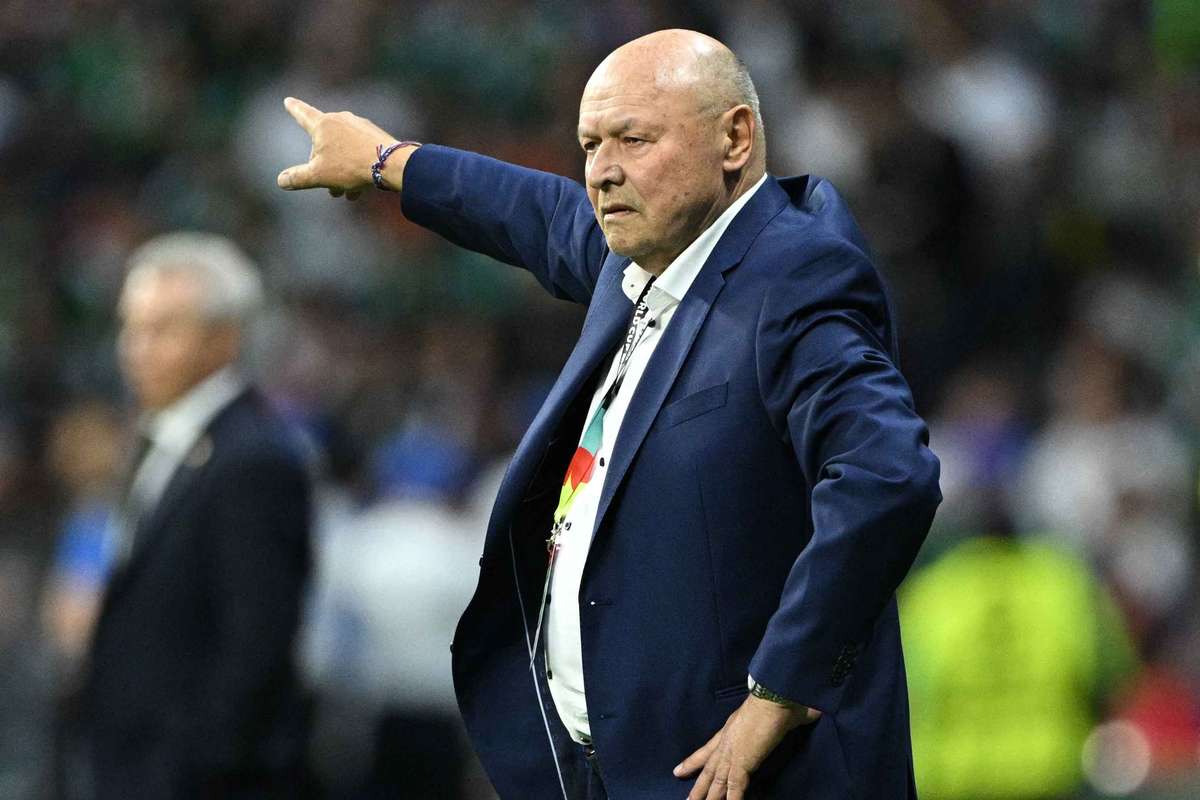
Czech national team head coach Koubek announced his resignation after the team completed its World Cup group stage campaign. From emerging through the playoffs to elimination in the main tournament, his tenure ended with the team bottom of Group A on just one point—a result that would place immense pressure on any manager.
The Data Profile of Group Stage Elimination
The Czech Republic lost 0-3 to co-host Mexico in the final group match, finishing bottom of Group A with one point. Their sole point came from a draw against South Africa. The three-goal margin in the final round meant the team failed to close the gap in a crucial match, exposing both attacking impotence and defensive vulnerabilities.
According to on-site data, Mexico demonstrated stable offensive output in that World Cup—scoring three goals against the Czech Republic with 11 shots and 5 on target in a 4-3-3 formation. South Africa ranked 60th in the FIFA rankings, while Mexico ranked 15th, up one place from the previous update. The Czech Republic faced far from weak opposition in the final round; the 0-3 result reflected insufficient competitiveness on the day rather than a sudden surge from their opponents.
From Playoffs to Main Tournament: Koubek's Managerial Journey
Koubek took charge of the Czech Republic after a shock defeat to Faroe Islands in qualifying. He then guided the team through the playoffs, beating Ireland and Denmark to reach the World Cup main tournament—the team's first appearance since 2006. The playoff success stood in sharp contrast to finishing bottom of the group in the main tournament.
At the squad level, the core framework from the playoff stage carried through to the World Cup: Wolves defender Ladislav Krejčí, Lyon midfielder Pavel Šulc and others formed the spine. These players had proven themselves in the playoffs, yet failed to translate that into steady points in the finals — pointing to tactical deployment and in-game adjustments rather than a simple shortage of personnel.
Controversy: Defensive Approach and Key Selections
The strongest criticism of Kováč during his tenure focused on two points: an overall conservative defensive orientation, and his use of leading striker Patrik Schick. In the crucial match against Mexico, Schick did not start, and the team ultimately lost 3-0. Whether the top scorer should have been deployed in a do-or-die game remained a matter of debate; judged by the result, the decision at least failed to deliver the attacking payoff that had been expected.
It should be noted that attributing the 3-0 defeat entirely to a single lineup call is not rigorous — the “stupid mistakes” and physical toll across the Czech Republic’s entire campaign were also raised by Kováč himself in his statement. The impact of travel fatigue on a team’s form under a congested schedule is an observable but hard-to-quantify variable; discussing it alongside tactical choices reflects the reality more fairly than isolating one decision.
Two Lines of Argument in the Resignation Statement
In his public statement, Kováč offered explanations on two fronts. First, the team’s World Cup exit was linked to “stupid mistakes” and exhaustion from intensive travel — he summed up the sporting regret in blunt terms. Second, he said a “media campaign based largely on half-truths and fabricated content” also pushed him to leave, stressing that “under such an atmosphere, it no longer made sense for me to continue working for the Czech national team.”
From a rules and procedure standpoint, a head coach voluntarily resigning during a contract term usually means the club or federation must launch a search for a successor; the Czech Football Association has yet to announce a timeline for appointing one. Kováč did not shift all responsibility in his statement, but he clearly cited the external media environment as a reason the job had become unsustainable — a pattern not uncommon in national-team coaching changes, especially when results fall short of expectations.
Aftermath: The Squad Framework Remains, Direction Uncertain
Krejčí, Schütz, Schick and others are still in their prime, and the Czech Republic’s player pool has not collapsed after a single World Cup exit. The real questions are whether the new head coach will stick with Kučera’s defensive system and how to rebuild attacking efficiency in the cycle after the 2026 World Cup.
On FIFA rankings, both Ireland (59th) and South Africa (60th) sit in the middle tier. The Czechs beat the former in the playoffs yet managed only a draw against the latter in the main tournament, which suggests the cost of stepping up to the big stage has been underestimated. If the next coach overlooks that gap, even with a similar squad, they may repeat the pattern of strong in the playoffs but weak in the finals.
Kučera’s departure is a direct consequence of finishing bottom of the World Cup group, and a decision shaped by results and public pressure combined. What comes next for Czech football depends on whether the new coach can find a more balanced approach on the existing framework — until then, a careful review of this exit is more prudent than rushing to judgment.