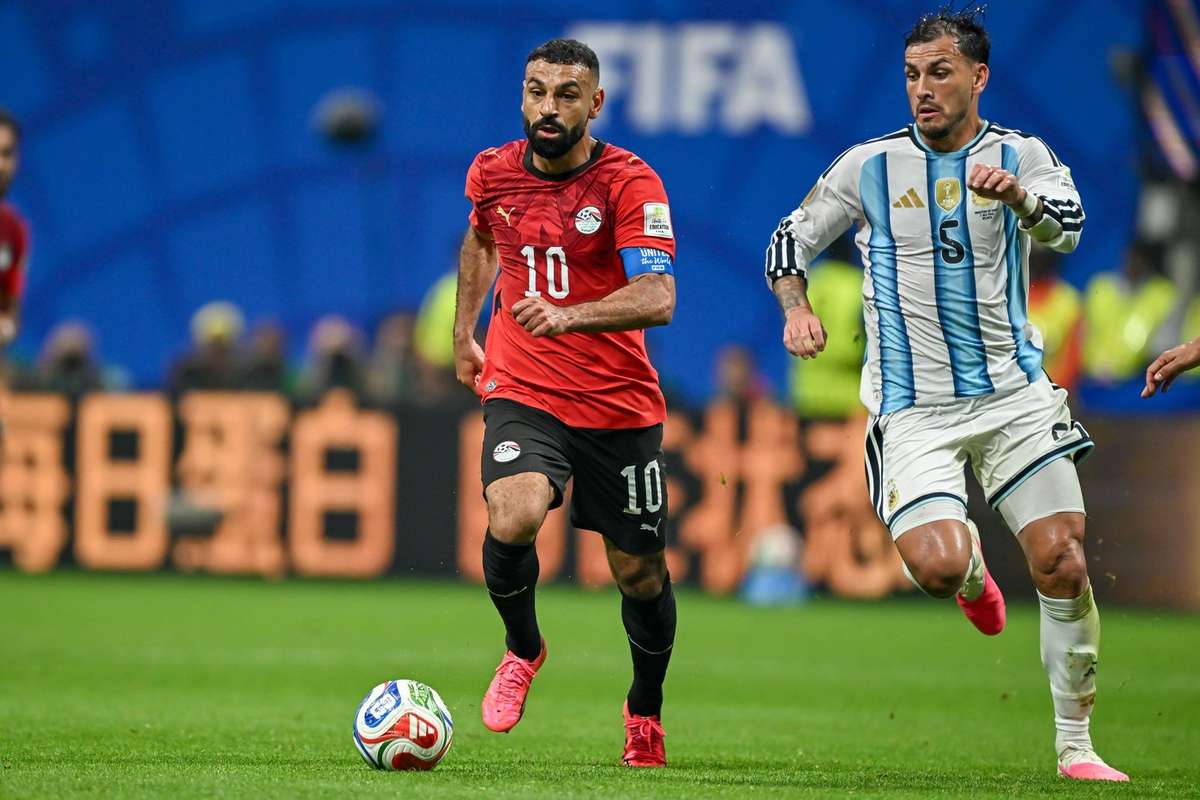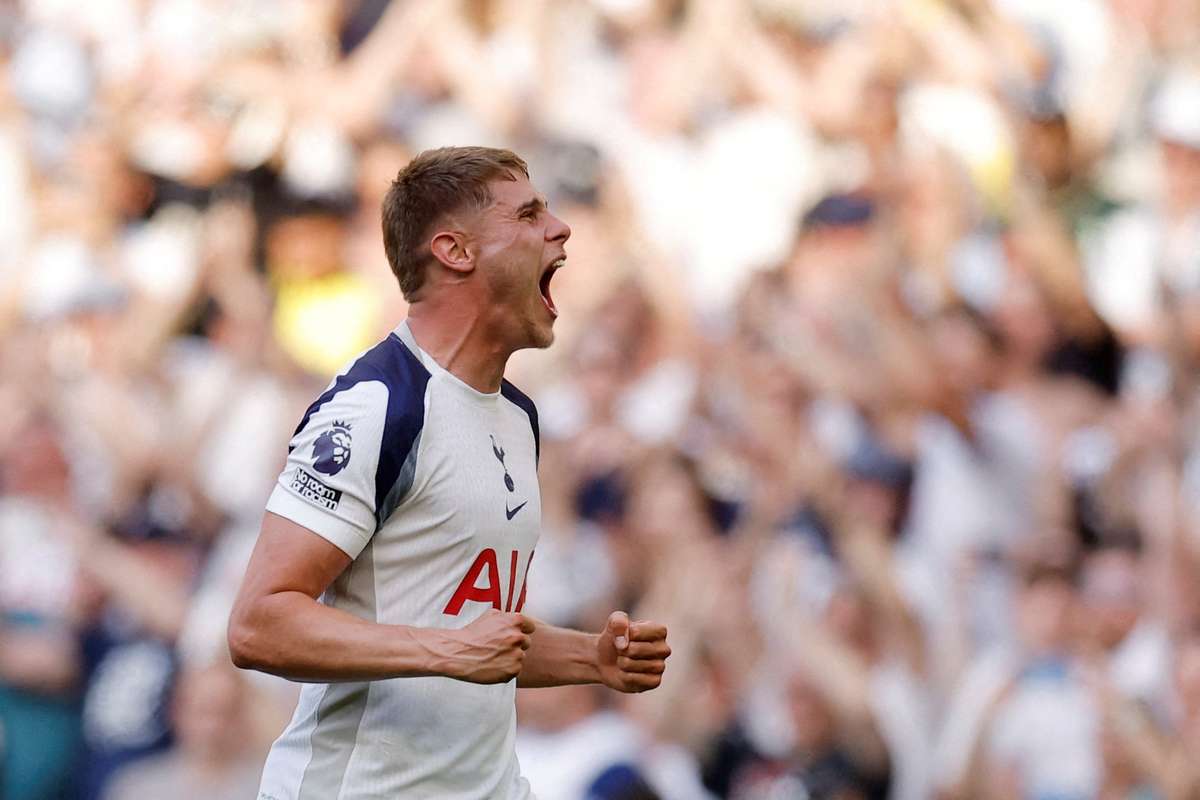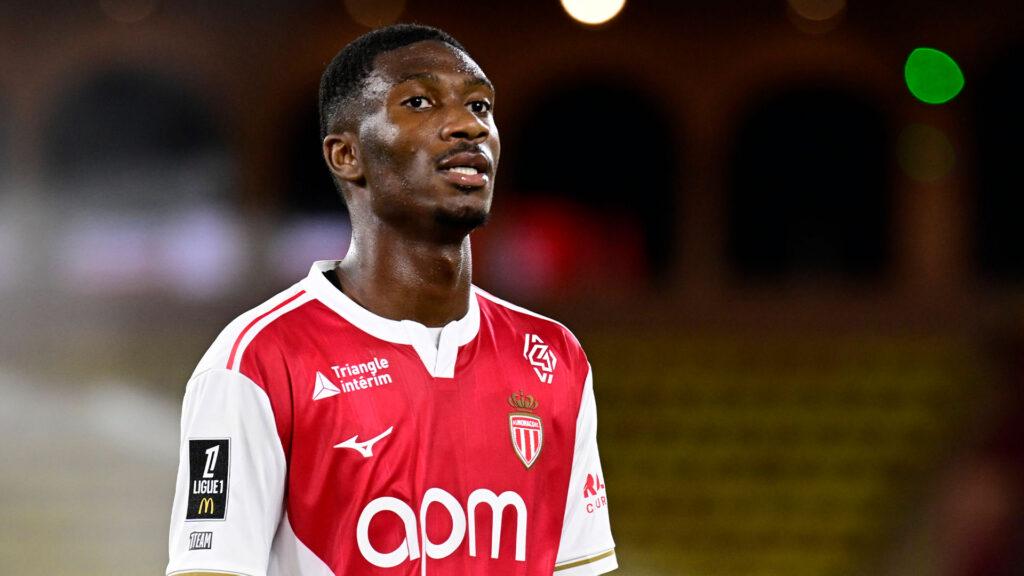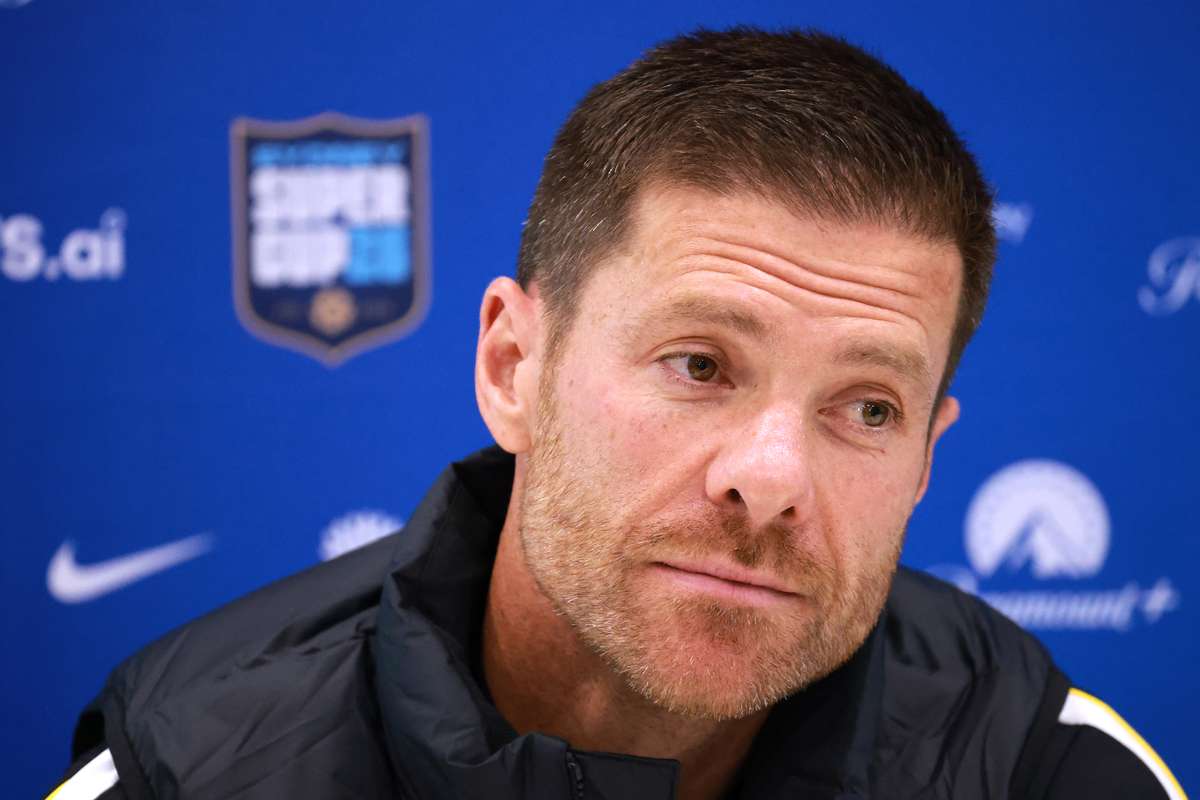





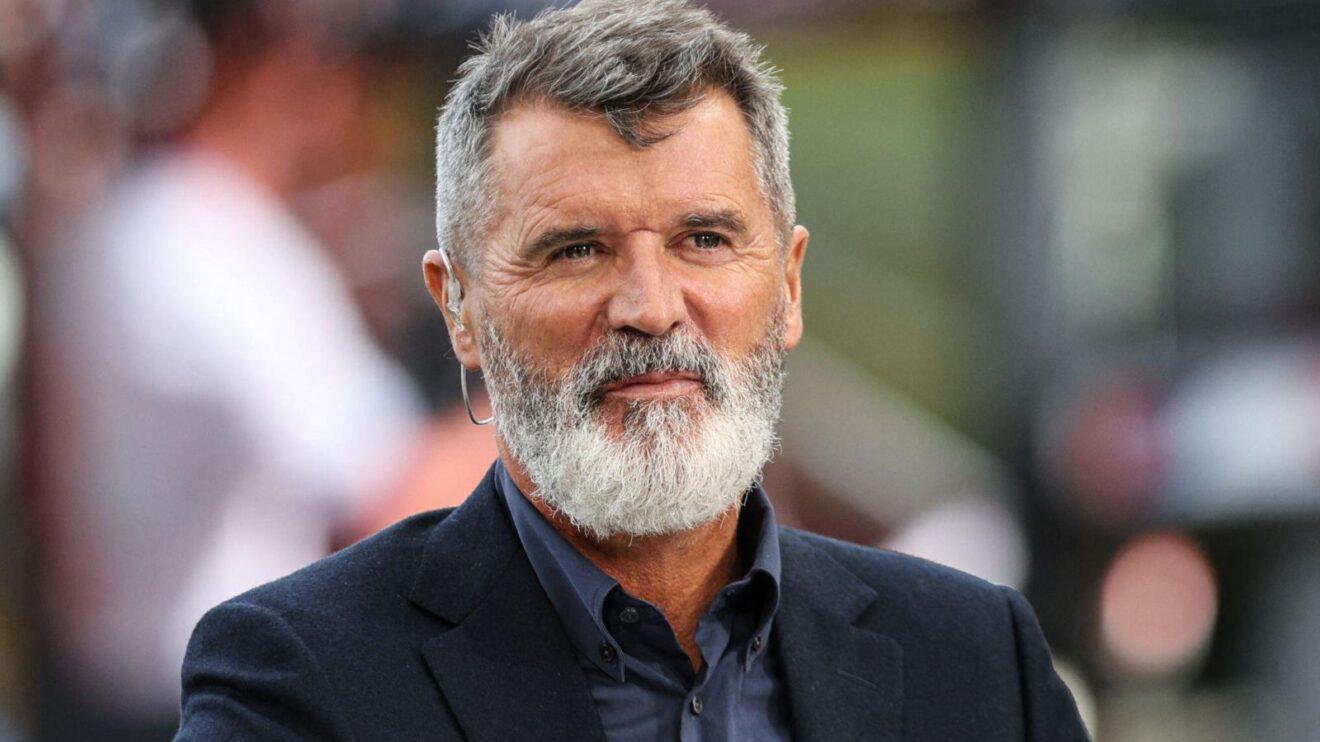
The knockout phase has stripped away several established contenders, yet the conversation around who can still lift the trophy has narrowed with unusual clarity. Roy Keane, speaking during broadcast coverage of the tournament, pointed to two national teams above the rest — France and Argentina — and said he would be genuinely surprised if they did not meet in the final.
That is a bold line at a World Cup that has already delivered shocks in the round of 32. Germany and the Netherlands are out. England remain in the mix, but the former Manchester United captain placed Thomas Tuchel's side behind the two South American and European heavyweights in his personal pecking order.
Why France Lead the Tactical Conversation
Keane's case for France starts with personnel depth in the final third. FIFA currently ranks Les Bleus first in the world, and the squad profile matches that standing: interchangeable attackers who can play inside, wide, or as a false nine without the structure breaking down.
"The French attacking players are as good as any," Keane said. "Probably France have got, obviously, more in numbers."
That "more in numbers" point matters tactically. Knockout football rewards managers who can rotate intensity without losing quality. France can change the front five or six and still field combinations that look elite on paper and on the pitch. Ange Postecoglou echoed that view, noting that even in France there is dissatisfaction with the national team — a reminder that external criticism rarely tracks with squad quality at this level.
"I look at their front five, six, any combination of that, are just absolutely world-class and elite," Postecoglou said.
Brazil offered a parallel lesson earlier in the tournament: individual brilliance at the top end is necessary but not sufficient once the margins tighten. England's win over Panama showed what happens when the senior core turns up together — a useful benchmark, but Keane argued France carry that same attacking standard across a wider pool of options.
Depth as a Knockout Weapon
From a development and squad-building perspective, France represent the template many federations chase. The first-choice XI is strong; the second wave is still international grade. That becomes decisive when games stretch into extra time or when yellow-card accumulation forces changes. A manager can swap two forwards and still threaten with pace, press resistance, and final-third unpredictability.
England, ranked fourth globally, remain credible. Tuchel has improved game control in phases and the group-stage evidence against Panama underlined what happens when the main starters align. Keane's ranking, though, reflects a simple hierarchy: France have more proven match-winners available at the same moment.
Argentina Mirror the Same Profile
Keane did not stop at France. He placed Argentina, third in the latest FIFA standings, in the same bracket — teams with players and "good options" across the pitch.
"I think Argentina and France are the teams that have the players and the good options," he said. "There'd be no surprise if they end up meeting in the final. I'd be surprised if they don't meet in the final."
Argentina's edge is slightly different in shape but similar in effect. The collective understanding in central areas allows them to control tempo without always needing fresh legs in attack. When the game opens, they still carry individuals who can decide a tie in one action. Like France, they can absorb pressure, restart quickly, and punish mistakes — the profile that survives single-elimination football.
The path to a France-Argentina final is not guaranteed. Brazil, sixth in the rankings, still carry explosive talent even after mixed moments earlier in the competition. Panama, ranked 33rd, showed how quickly a motivated underdog can test a favourite's concentration. Yet Keane's argument is about sustainability: which squads can keep producing high-level solutions as opponents study them more closely each round.
What the Early Exits Change
Germany's elimination and the Netherlands' departure reshape the European half of the bracket. Both sides sat inside the top ten in FIFA's table — Germany tenth, the Netherlands seventh — and both were mentioned among pre-tournament contenders. Their exits confirm what this World Cup has already suggested: reputation alone does not carry teams through the knockouts.
That context makes Keane's shortlist more than punditry. France and Argentina are not being picked because the draw looks kind; they are being picked because their squads still look complete after the group phase stress test. England must navigate the same environment, but without the same depth in the final third.
England's Path and the Declan Rice Question
Postecoglou's aside about England was telling. Even strong campaigns come with local anxiety. Supporters and analysts always find a flaw. The more useful read is whether the team's core players can repeat high-performance nights when rotation and fatigue enter the picture.
Scott Parker sharpened that debate around one name. The former Burnley and Bournemouth manager reduced England's ambitions to a blunt formula: they need Declan Rice.
"Four words come to mind when I think about England's hopes of winning the World Cup: we need Declan Rice," Parker said.
Rice's importance is structural, not decorative. He protects the back line in transition, recycles possession under press, and gives attackers a stable platform. That role becomes more valuable in knockout games, where a single turnover can end a campaign.
Since England beat Panama, there has been discussion over whether Rice should have extra recovery time — including the possibility of sitting out a last-32 tie against DR Congo because of a managed hamstring issue. The concern for his wellbeing is understandable. So is Parker's counterpoint: if England are serious about going deep, they need their pivot available and close to full capacity.
That tension sits at the heart of Tuchel's tournament management. Rest Rice and risk losing control in midfield. Push him and risk losing him entirely. England's ranking and recent performances suggest they belong among the contenders, but Keane's France-Argentina framing highlights the gap in squad elasticity at the very top.
Reading the Opportunity Order
If the knockout bracket holds to form from here, the final could become a study in contrasting styles: France's rotational attacking depth against Argentina's controlled competitiveness. England's more immediate task is narrower — keep Rice on the pitch long enough to matter, and hope the senior group repeats the Panama standard when stakes rise.
Keane's prediction is not a guarantee. Shocks have already defined this tournament. Still, his final-two call reflects how insiders evaluate squads once the group stage stops flattering reputations. France and Argentina look built for the long run. England look capable, but dependent on a smaller set of indispensable pieces.
That is the hierarchy as the World Cup enters its decisive stretch — and the reason so many eyes are already trained on a possible final between the top-ranked European side and the reigning South American standard-bearers.