

















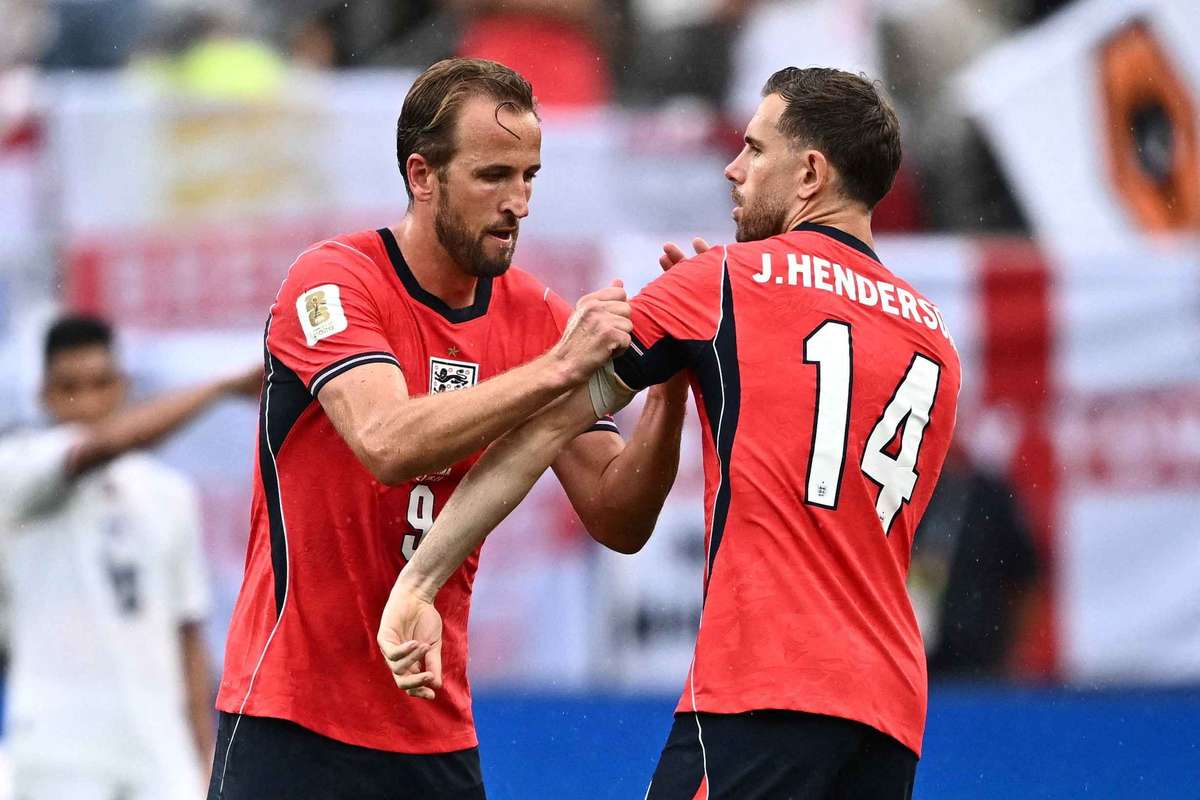
A 2-0 victory over Panama secured top spot in Group L for England, but the message from the dressing room was not about celebration. Jordan Henderson made clear that the real test of this World Cup campaign begins now, when single-elimination football leaves no room for slow starts or emotional swings.
Goals from Jude Bellingham and Harry Kane wrapped up a group stage that ended with seven points and a Round of 32 date against Democratic Republic of Congo in Atlanta on Wednesday. England arrived at that checkpoint with mixed impressions: capable of explosive football, yet still searching for the sustained rhythm that defines genuine title contenders.
What Group L Tells Us About England
England’s path through the opening phase captured the tension that often surrounds major tournaments. A chaotic but thrilling 4-2 win over Croatia showed attacking quality and resilience. A laboured 0-0 draw with Ghana raised questions about cutting edge in tight games. Against Panama, ranked 33rd in the FIFA standings, the Three Lions controlled long stretches without always translating possession into sustained pressure.
That pattern matters because knockout football rewards efficiency more than volume. In the group stage, teams can absorb a flat performance and recover in the next match. From the Round of 32 onward, one poor half can end a four-year cycle. Henderson’s emphasis on staying “in the moment” reflects that structural shift: the margin for error shrinks immediately once the group table is settled.
Why Henderson’s Voice Carries Extra Weight
The veteran midfielder did more than offer leadership rhetoric against Panama. He became the first England player to appear at four World Cups, extending a national-team journey that began with his debut in 2010. That milestone is not merely statistical. It places him among the few players in the squad who have lived through the emotional swings of previous major tournaments, from early exits to deep runs and the pressure that follows public expectation.
“I think we’re in a good place... it’s just staying calm and staying in the moment, not getting too carried away,” Henderson told reporters when asked what England could learn from past campaigns.
“Just focus on what we need to do, what each person’s job and role is, and making sure that we’re doing it to the best of our ability. And then helping the team around, giving absolutely everything for each other.”
Those comments align with how Thomas Tuchel has tried to frame this squad. England reached the last two European Championship finals and the semi-finals of the 2018 World Cup, so ambition remains high. Yet Henderson’s language deliberately avoids treating that history as a guarantee. Past success can inform preparation, but it cannot substitute for discipline in the next 90 minutes.
The Practical Value of Experience in Knockout Football
Knockout rounds introduce variables that group games often mask: extra time, penalty shootouts, red cards, and the psychological weight of knowing defeat ends the tournament. Henderson’s role is to help younger teammates navigate those moments without overreacting to either setbacks or momentum swings.
“I’m just delighted to be a part of this team, and it’s still as special now as it was when I made my debut in 2010,” he said.
“Time goes quickly, but I’m just delighted that I can help the teams as much as possible, both on and off the field, and just try and give everything I can to help us achieve our dreams, really.”
That balance — pride in the achievement, restraint in the messaging — is often what separates teams that peak at the right moment from those that burn emotional energy too early.
DR Congo Present a Different Kind of Test
England enter the Round of 32 as one of the tournament favourites, but Democratic Republic of Congo should not be reduced to a formality. Playing in their first World Cup since 1974, they have already produced a result that turned heads across the competition: a draw against Portugal, who sit fifth in the current FIFA rankings.
Their squad also carries familiar faces from the Premier League. West Ham’s Aaron Wan-Bissaka, Sunderland’s Noah Sadiki and Newcastle’s Yoane Wissa give DR Congo physicality, pace and top-level league experience. Wissa scored against Portugal and twice in a 3-1 victory over Uzbekistan that sealed their place in the last 32.
Henderson acknowledged that threat directly.
“I see in the first game they got a good result against Portugal, I think it was Wissa scored. We know him well, good team, some good players.”
That scouting tone fits England’s immediate task. DR Congo’s story is compelling, but knockout football is not a narrative contest. England must treat the fixture as a professional examination against opponents who have already shown they can compete with elite nations.
The Lesson England Must Apply Now
Topping the group removes one layer of uncertainty, yet it does not resolve the deeper question hanging over this squad: can they convert talent into controlled knockout performances? The Croatia match proved they can score under pressure. The Ghana draw showed they can stall when chances are not taken. The Panama win confirmed they can manage a result without always looking fluent.
Henderson’s prescription is straightforward because the challenge is straightforward. Stay calm. Stay focused. Execute individual roles. Support teammates without letting external expectation dictate internal mood.
For England, that is less a slogan than an operating system for the weeks ahead. The knockout bracket does not reward the most famous name or the most dramatic group-stage story. It rewards the team that handles the moment best — and Henderson intends to make sure his experience helps England do exactly that.