











2026 FIFA World Cup Group C opening match: Haiti and Scotland will face off at Gillette Stadium in Foxborough, United States. This marks both teams' first appearance at this edition of the World Cup, with the group standings still a blank slate—whoever grabs the opening three points often defines the group's trajectory more than pre-tournament rankings on paper.
Gillette Stadium holds 66,829 spectators, with an open layout and ample width along the flanks that favors stretching the field and attacking down the wings. For a tournament jointly hosted by the United States, Canada, and Mexico, modern venues like this often mean a faster tempo; for both sides, the challenge is finding their group-stage rhythm on neutral ground as quickly as possible.
Ranking gap and outlook expectations
According to the FIFA rankings, Haiti currently sits 83rd with 1,291.71 points, unchanged from the previous list; Scotland ranks 42nd with 1,498.35 points but has dropped five places. With a gap of nearly 40 positions, Scotland is naturally seen as the more favored side. Yet opening matches at major tournaments always carry variables—rankings reflect long-term accumulation and don't necessarily equal single-game execution.
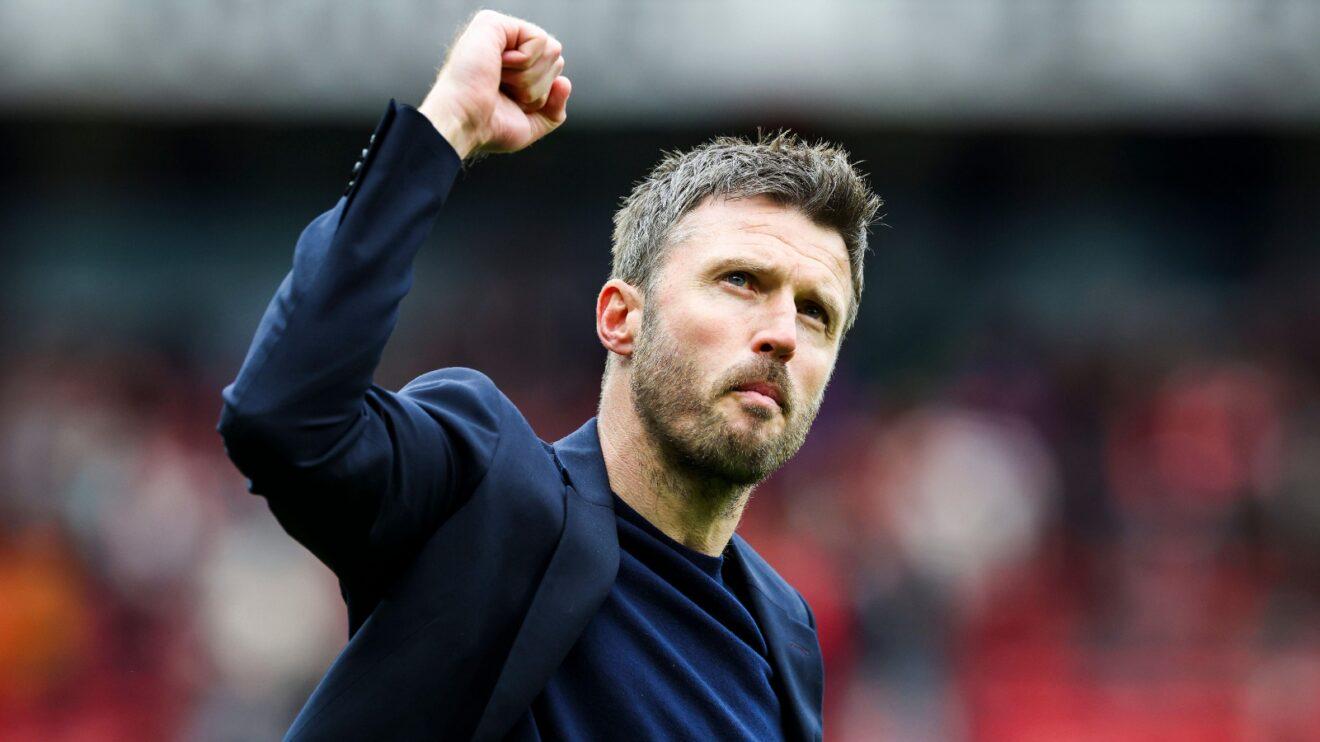
Under head coach Sébastien Migné, Haiti emphasizes physical play and direct attack, with defensive mobility and forward pace as defining traits; under Steve Clarke, Scotland more commonly deploy a balanced structure of compact defense layered with purposeful midfield progression. In terms of stylistic matchup, set-piece quality and transition efficiency could well be the details that decide the outcome.
Recent form: Scotland's attack more active
The two teams have no previous official meeting on record, so historical head-to-head data offers little guidance—making current form all the more important. In six of Scotland's last eight matches, total goals exceeded 2.5, reflecting an attacking output sharper than their reputation might suggest; if that trend carries into Foxborough, the game could well see goals at both ends. On the disciplinary front, four of Scotland's last five outings produced fewer than 4.5 yellow cards combined, with fouls and bookings relatively under control—suggesting the match may not devolve into a stop-start, fragmented scrap.
For Haiti, world ranking has long hovered around 80th, and major-tournament experience is relatively limited—but a carefree, nothing-to-lose opener can sometimes amplify upset potential. Migné still faces selection calls before kickoff—the lineup is not yet finalized, and the starting XI will signal whether the side plans to sit deep and play for a point or press high from the opening whistle.
Looking at the Group C picture, the weight of three points in the opener is often underestimated. Win, and the psychological and points cushion against stronger group rivals grows; lose or draw, and pressure mounts quickly ahead of round two. For Scotland, failure to convert ranking advantage into results will only tighten the schedule ahead; for Haiti, taking something off a team carrying favorite billing is itself a foothold for group survival.
Factoring in rankings, recent scoring trends and venue characteristics, Scotland may hold a slight edge in possession and chance creation—but if Haiti can weather the tempo in the first 15 minutes and drag the game into chaos, the balance need not be one-sided. We will continue to track the confirmed lineups, in-game shape and key matchups—the true pecking order in Group C often only becomes clearer once the opening whistle blows.
For fans, the biggest intrigue lies not in "who should win," but whether the ranking script can be rewritten: Scotland must prove that a post-slide 42nd place still carries big-tournament payoff, while Haiti will test whether life outside 83rd hides a group-spoiler in waiting.