















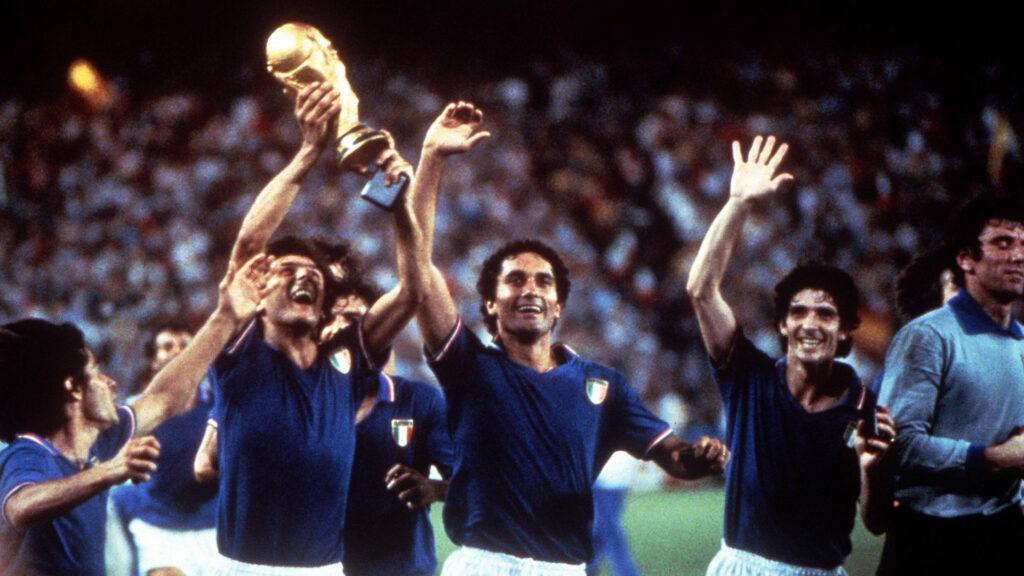
In the annals of football history, the image of Italy lifting the FIFA World Cup trophy in Madrid has frozen in time the Spanish summer of 1982; but shift the lens to ScoreZ's cumulative, action-by-action rating model, and the story takes on an entirely different complexion—in this World Cup Team of the Tournament, not a single member of the Azzurri made the cut. The complete disconnect between the champion and the data-driven star lineup is the central contradiction that has been debated repeatedly across social media and analytics circles throughout this tournament.
Rating Logic: Why the Champions End Up "Invisible"
ScoreZ doesn't anoint heroes based on a handful of standout knockout performances; it rewards players for their steady contributions across every minute on the pitch—offensive output, progressive passing, chance creation, and defensive value all count. A knockout surge can decide who lifts the trophy, but it rarely eclipses those who have been delivering consistently since the group stage across the full tournament. Zico was named Player of the Tournament; Paolo Rossi may have delivered the decisive goals that carried Italy to the podium, yet under this "full-tournament impact" standard, he failed to crack the Best XI—this is not a slight on Rossi, but a head-on collision between two different yardsticks.
Ironclad Back Line: Dasayev Leads a Three-Goalkeeper Defensive Wall
In goal, Soviet goalkeeper Rinat Dasayev anchored the line with an 8.18 rating. His shot-stopping choices and command of the penalty area kept his numbers consistently strong without needing spectacular saves to pad his score. Austrian centre-back Bruno Pezzey made the cut at 7.52—his one-on-one defending and set-piece work earned the team's trust at the back; Alexander Chivadze scored 7.68, reading danger early and stepping forward at the right moments to cut off passing lanes; Argentina captain Daniel Passarella rounded things off at 7.76, turning pressing into progression through deep distribution and diagonal switches. The four-man unit embodied the 1982 vogue for aggressive defending and bold first passes, giving the front eight the confidence to push high.
Midfield Artists: Zico and Platini Dominate in Spain
The double pivot paired Brazil's Falcão (8.02) with France's Michel Platini (8.20)—the former reliable under pressure in possession, the latter master of tempo and passing angles. The four attackers ahead were just as eye-catching on the data: Alain Giresse 8.10 with penetrating final passes; Belgium's Franky Vercauteren 8.00, supplying width on the left and constant set-piece threat; Diego Maradona 8.10, with dribbling, through balls and game-breaking ability maxed out. Set up in a 3-2-4-1, Zico as the tournament's top-rated player carried the attacking core—his influence lay not only in goals but in dictating the tempo every minute.
The Historical Flavor Through the Data Lens
From a long-term perspective beyond the standings, many nations on this list remain active at the top of world football today: France sit atop the FIFA rankings at No. 1, Argentina are third, Brazil sixth, Belgium ninth, Italy 12th, and Austria 24th. The statistical stars of 1982 still echo in today's landscape of elite nations, keeping the debate that "champions ≠ universally top-rated players" alive in fan forums.
The professional view is this: if you define greatness by the winning narrative, Rossi and Italy are beyond dispute; if you define elite status by consistent output across every match, Zico, Platini, and Dasayev deserve to be remembered more. Next time you watch footage of the 1982 World Cup, try opening the rating curves alongside it — same tournament, two ways of reading it, both true stories.