











An Island Nation's Fairy Tale, Beyond the Debut
When a national team from Cape Verde in the North Atlantic, carrying the collective memory of a population of fewer than half a million, stepped onto the World Cup stage, that alone was a piece of oral history. Cape Verde does not belong to the lineage of traditional football powerhouses—its migratory ties to Brazil and Portugal give the team a distinctive mixed cultural identity; and this tournament's debut felt more like an expedition to prove its own existence. Late on Friday night, NRG Stadium in Houston witnessed how this tiny nation kept its fairy tale going: in a stalemate against Saudi Arabia, Cape Verde held their opponents to a 0-0 draw, securing second place in the group with three draws and advancing to the Round of 32—their next opponent will be defending champions Argentina, with the match to be played in Miami.
Dual Narratives: The Gears of Fate Behind a Draw
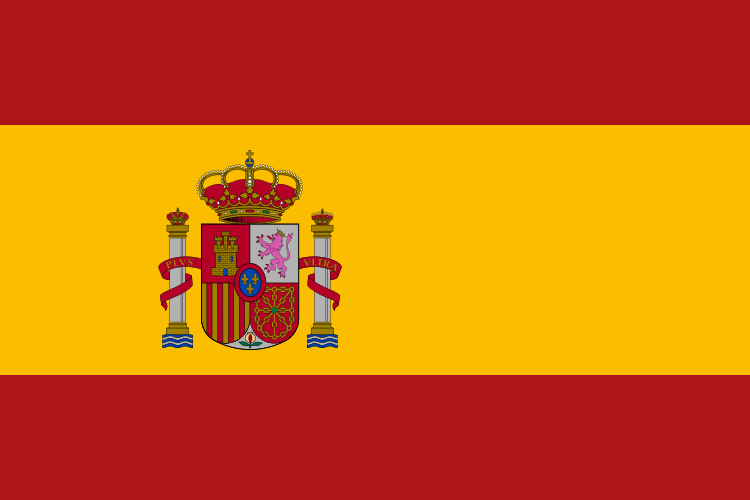
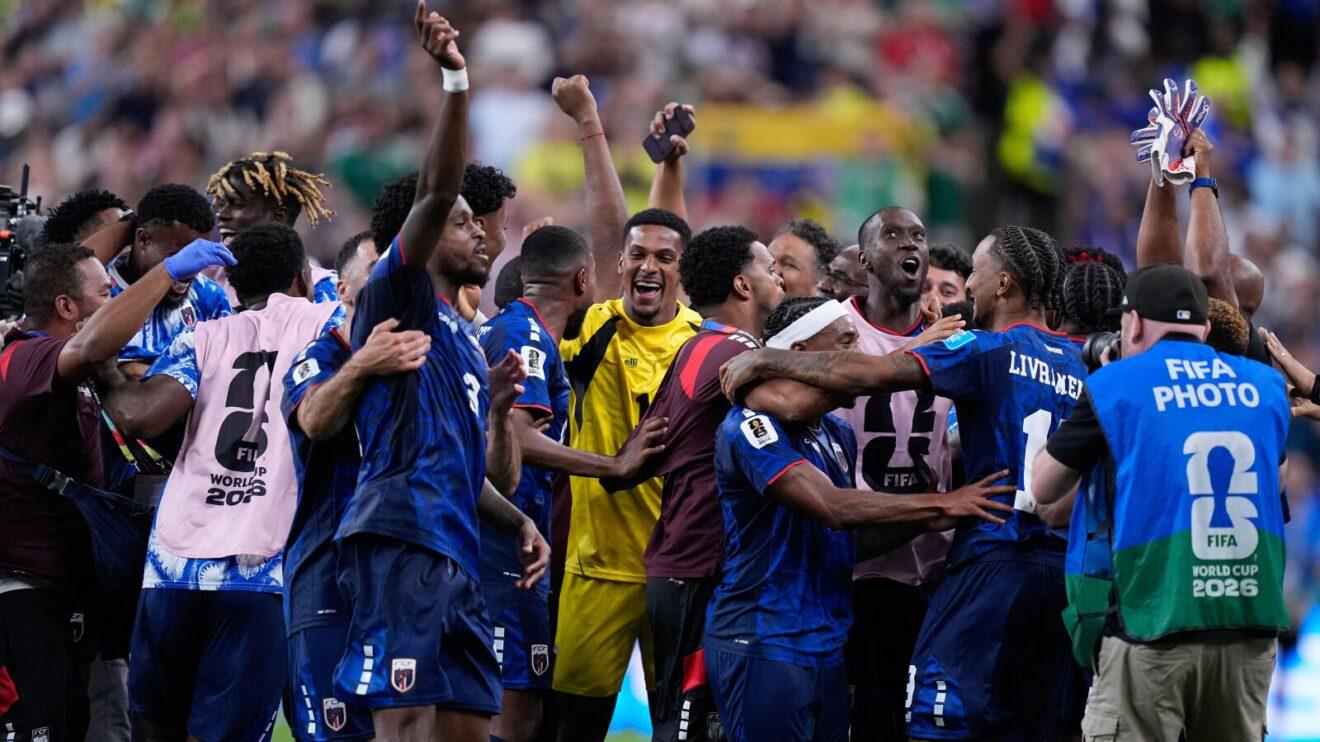
In another marquee match in the group, Spain defeated Uruguay 1-0 to top the group with 7 points. The picture became clear in an instant: Uruguay and Saudi Arabia were both eliminated with 2 points each, while Cape Verde, draw in all three matches, completed their comeback through "draw economics." After the final whistle, the Cape Verde players did not leave the pitch immediately—they formed a circle, staring at their phones, waiting for the result from the neighboring field. When Spain's victory was confirmed, celebrations erupted across the stadium, with drums and cheers from the stands blending into the loudest national declaration of the night. Many players remained on the pitch long after the crowd had dispersed, draped in flags and taking photos, as if to etch this history into collective memory.
The quality of play was hardly dazzling, but the drama was intense. Both teams knew from the opening whistle that a place in the Round of 32 hung in the balance, yet mistakes and fouls dragged the first half into a sluggish rhythm. Cape Verde carried more threat throughout, but repeatedly fluffed their chances in front of goal—Larros Duarte had a one-on-one with goalkeeper Mohammed Al-Owais but squandered what should have been a certain goal. Earlier, Willy Semedo opened the scoring sequence for the African side with a close-range shot after cutting in from the left; in stoppage time, Saudi Arabia’s Mohammed Kanoo headed toward goal, only for goalkeeper Vozinha to gather it comfortably. Vozinha’s mother was also in the stands at that moment—delayed in arriving due to U.S. visa fee issues, this family narrative added a warm footnote to the cold result. After the break, Cape Verde’s 15 shots still yielded nothing; Saudi Arabia had scored just one goal in three matches, and their Houston farewell felt lacking in ambition.
FIFA rankings show Cape Verde (69th) are about to face third-ranked Argentina—a clash of fairy tale and empire. For an island nation making its World Cup debut, reaching the Round of 16 would be priceless glory; for the defending champions, the Miami showdown may be merely one stop on the road to retaining the title. But in the long scroll of football history, when a nation of half a million people crosses paths with a three-time champion, it has never been a game of numbers—it is a dialogue of identity and tradition—and that is the oldest and freshest magic of the World Cup.