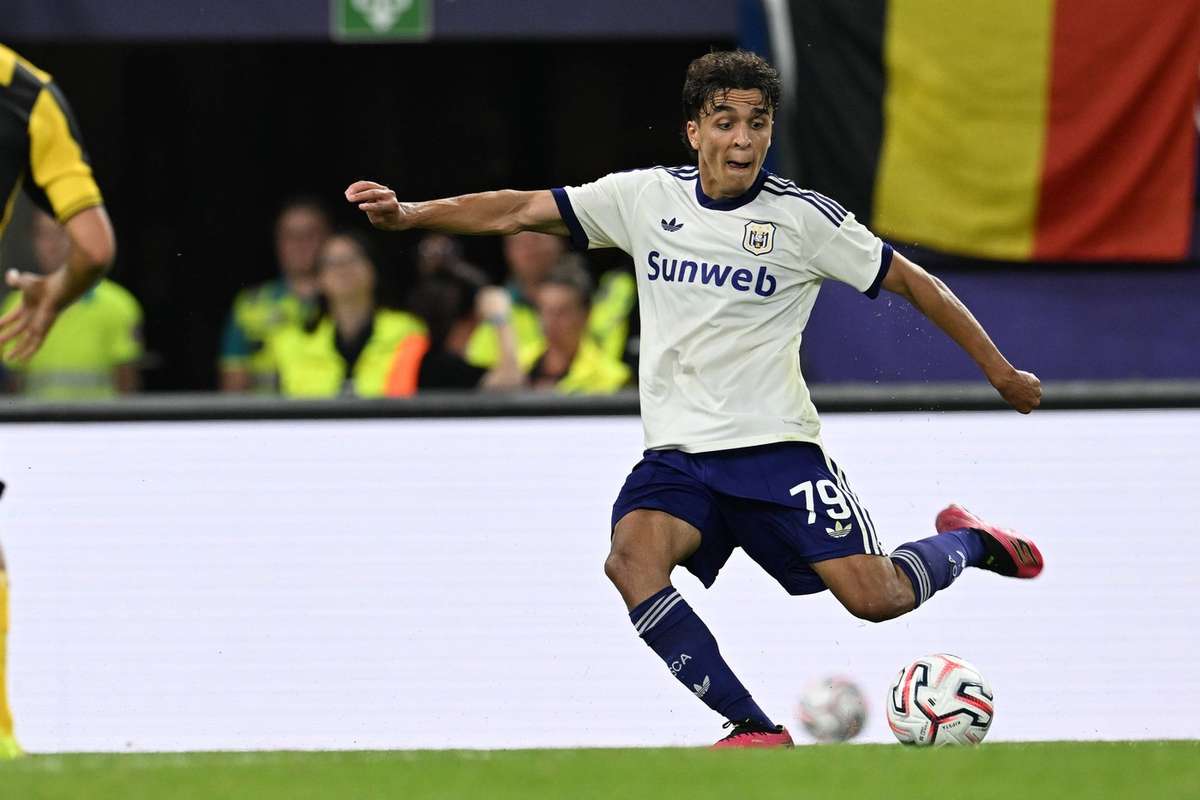


















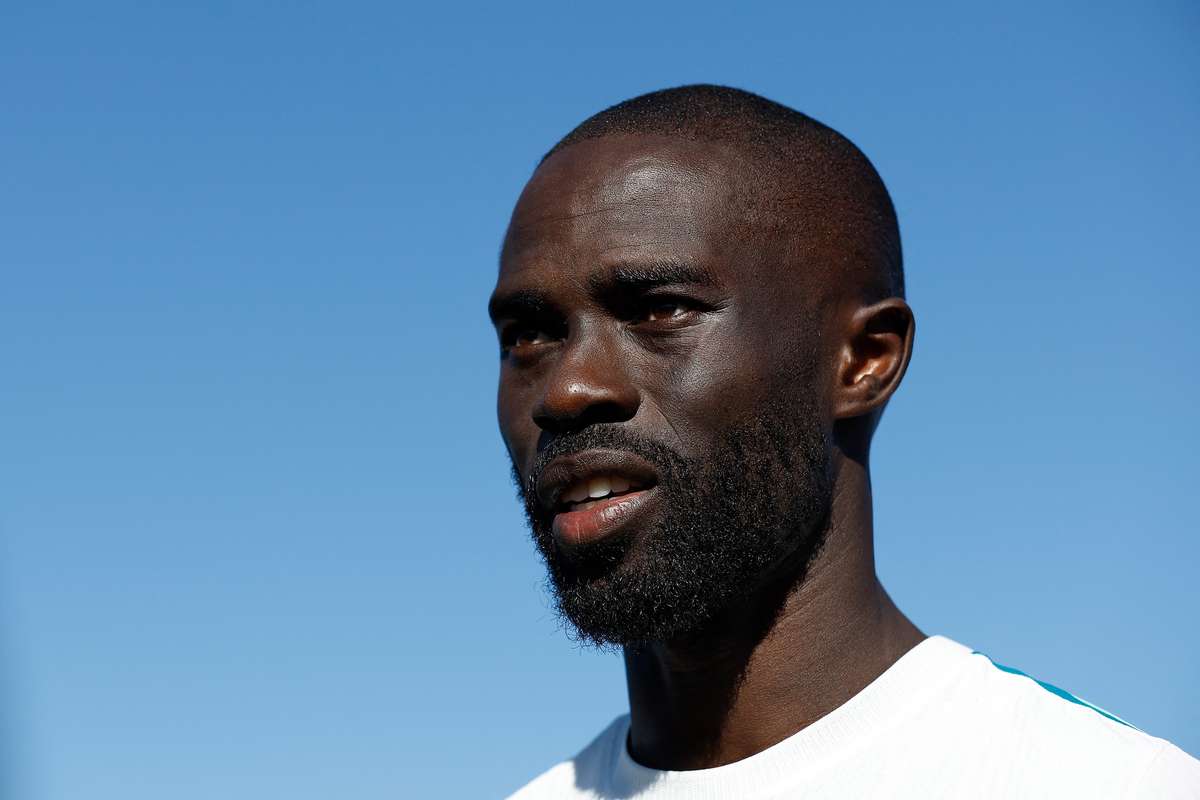
At Australia's World Cup training camp, 18-year-old centre-back Herington and 33-year-old right-back Geria are a full 14 years apart, yet both voiced the same aim after Wednesday's session: whenever they step onto the pitch and whenever they get minutes, they will give everything for Australia. This pairing of opposite ages and shared intent reflects how two selection paths in World Cup squad-building—fast-track development and slow-burn persistence—are being folded back into one national-team system.
Issue: An age gap in defence and diverging career paths
From a governance standpoint, the Socceroos' back line this cycle is not simply "veterans mentoring youngsters" but two professional pathways running in parallel: Herington reached the national team just 17 months after his professional debut, and heads to the World Cup as one of the youngest players at the tournament and the 11th-youngest cap in squad history; Geria earned his first cap under then-boss Ange Postecoglou in 2016, then missed out on the 2018 and 2022 World Cup squads, and only after Tony Popovic took charge in late 2024 did he return as a regular, drawing on what he built during his time at Melbourne Victory. Behind the age gap lies institutional tension between the MLS fast lane and the long tug-of-war between the A-League and the fringes of the national team.
Escalation: The real-world pressure on fast-trackers and slow-burners alike
On the Herlington side, the numbers and fixture load tell the story more plainly: the Brisbane-born center-back started and played every minute in his first 15 outings for Colorado Rapids in Major League Soccer in the first half of this year, and he admits that without those minutes he might never have made it to the United States for the World Cup—the run of consecutive MLS appearances in the first half of the season effectively served as the “verifiable sample” that kept him in the 26-man squad after his senior debut in March. His parents are heading to Vancouver to watch; the team’s opening match against Turkey is set for June 13. For an 18-year-old center-back, family support and a first major-tournament appearance landing at the same moment is both a lift and a magnifying glass for scrutiny.
On the Grylia side lies a textbook “slow-burn” institutional cost: though eligible to represent Uganda through his parents’ heritage, he still chose Australia; eight years passed between his first cap and his second appearance, after which he gradually cemented his place under Popovic. At 33, he says he still can hardly believe he has made the final 26 and is training at base camp ahead of the World Cup—behind that line lie the psychology and selection uncertainty built up across missing out in 2018 and 2022. Veterans such as goalkeeper Mathew Ryan, along with staff and teammates, he regards as institutional resources running in parallel with “having stuck at training just as long.”
External benchmarks at national-team level
Placing individual stories back within the association’s governance framework, the Socceroos currently sit 27th in the FIFA rankings on 1,580.67 points—unchanged from the previous edition—indicating the side remains in the second-tier competitive band for the World Cup cycle. Site data shows the first three rounds of 2027 qualifying (against Singapore, Iraq and Tajikistan) all finished 0-0. That is not a direct read on this World Cup window, but it suggests Popovic’s setup has lately prioritised defensive organisation and match control—echoing the roles assigned to Herrington at centre-back and Grya at right-back. On home venues, Melbourne Victory play at AAMI Park (Melbourne, capacity 30,050) and Colorado Rapids at Dick’s Sporting Goods Park (Commerce City, Colorado, capacity 19,734), giving the national team two club pathways and contrasting training and match environments.
The approach: selection convergence under one goal and what to watch next
Since Popovic took charge in late 2024, he has folded both “trust in Melbourne Victory alumni” and “MLS-proven performance” into selection criteria, which in practice brought Grya’s patience and Herrington’s rapid rise into the same tournament squad. Herrington stresses doing his best for the country and making the nation proud; Grya credits “when the chance came” to years of effort and belief—different words, same push for cohesion in the Socceroos’ World Cup cycle. Institutionally, this is not a verdict on fast tracks versus slow burns, but a sign that where World Cup places are scarce at the margins, the federation must hold room for both a “17-month professional sample” and an “eight years later, the cap” as credible stories.
For readers, the June 13 opener against Turkey will be the first real test of how the two paths converge: whether Herington can hold the physical, high-tempo edge he forged in MLS under pressure, and whether Griya can turn the confidence of making the final 26 into stability out wide, will directly shape the rotation depth behind Popovic’s back line. If the two can appear together in Vancouver, Australia will not only complete a defensive refresh with an unusually wide age spread, but also offer a replicable model for academy graduates breaking through and veterans staying on — the fast track needs minutes to prove itself, slow developers need sustained trust from the coaching staff, and the World Cup stage judges only results.