


















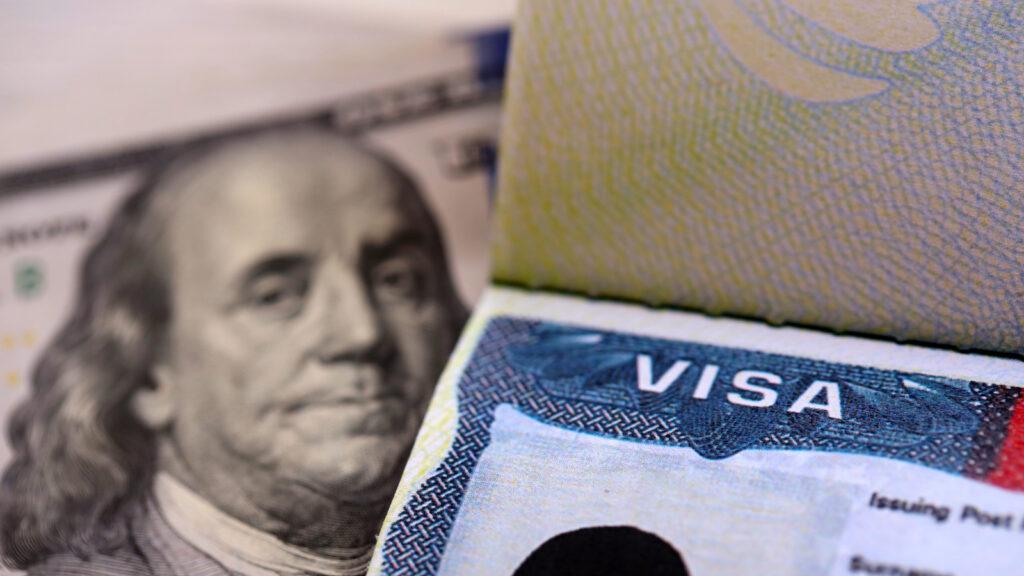
With the 2026 FIFA World Cup draw nearer, social media is once again flooded with claims that “buying a ticket gets you into the United States for the final.” According to our information, such claims are among the biggest misconceptions—World Cup tickets only grant you admission to a specific match and do not constitute entry permission for the United States, Canada, or Mexico.
This World Cup will be jointly hosted by the United States, Canada, and Mexico—the first time in history that three nations serve as co-hosts. With 48 teams, 104 matches, and 16 host cities, the schedule runs from June 11 to July 19, spanning a full four weeks. For fans planning to follow the tournament across borders, beyond flights and hotels, passports, visas, and electronic travel authorizations are the first hard hurdles to clear.
Ticket ≠ Guaranteed Entry
Whether you hold group-stage tickets or a seat at the final, border officers in all three countries still make independent decisions under their respective immigration laws. Fans will need at minimum: a valid passport; the visa required for their nationality; completion of travel authorizations such as the US ESTA or Canada eTA; and fulfillment of all border entry requirements. Even with final tickets in hand, if a visa or authorization has not been approved, you may still be denied entry at the airport or border crossing. ScoreZ advises fans to verify World Cup 2026 entry requirements at least several months in advance—don’t wait until just before kickoff to scramble at the last minute.
United States: Most Fans’ First Stop
The United States will host the majority of matches, including the final, and most international fan itineraries will pass through the US. Travelers from non-visa-exempt countries typically need to apply for a standard tourist visa such as the B1/B2; fans from Visa Waiver Program countries can use the ESTA electronic travel authorization system instead of a traditional visa stamp. ESTA is an online pre-screening process—approval does not equal automatic entry, and final determination still rests with the officer on arrival. Fans planning to transit through the US and attend multiple matches should factor ESTA or visa validity and permitted stay duration into their itinerary planning.
Real-World Hurdles of Cross-Border Match Attendance
The tri-nation hosting means many fans will need to cross North American borders multiple times. For Canada, travelers from most visa-exempt countries must obtain an eTA in advance; Mexico continues to apply its own visa and entry policies, which are not directly tied to match tickets. Border authorities will not relax scrutiny just because you hold FIFA World Cup 2026 tickets—standard requirements such as immigration checks, passport validity, return tickets, and proof of funds still apply as usual.
The expanded 48-team format is bringing large numbers of fans from emerging football nations to North America for the first time, driving up social media buzz, but misinformation that “a ticket is all you need to get in” is also spreading more easily. For ordinary supporters, the safest approach is to check official channels country by country along your itinerary to confirm whether a visa or electronic authorization is required, allow plenty of time for approval, and keep paper or digital backups of your passport, authorization confirmation, and ticket proof. The story of World Cup 2026 unfolds on and off the pitch—whether you make it there in person depends on having compliant entry documents, not the ticket itself.